
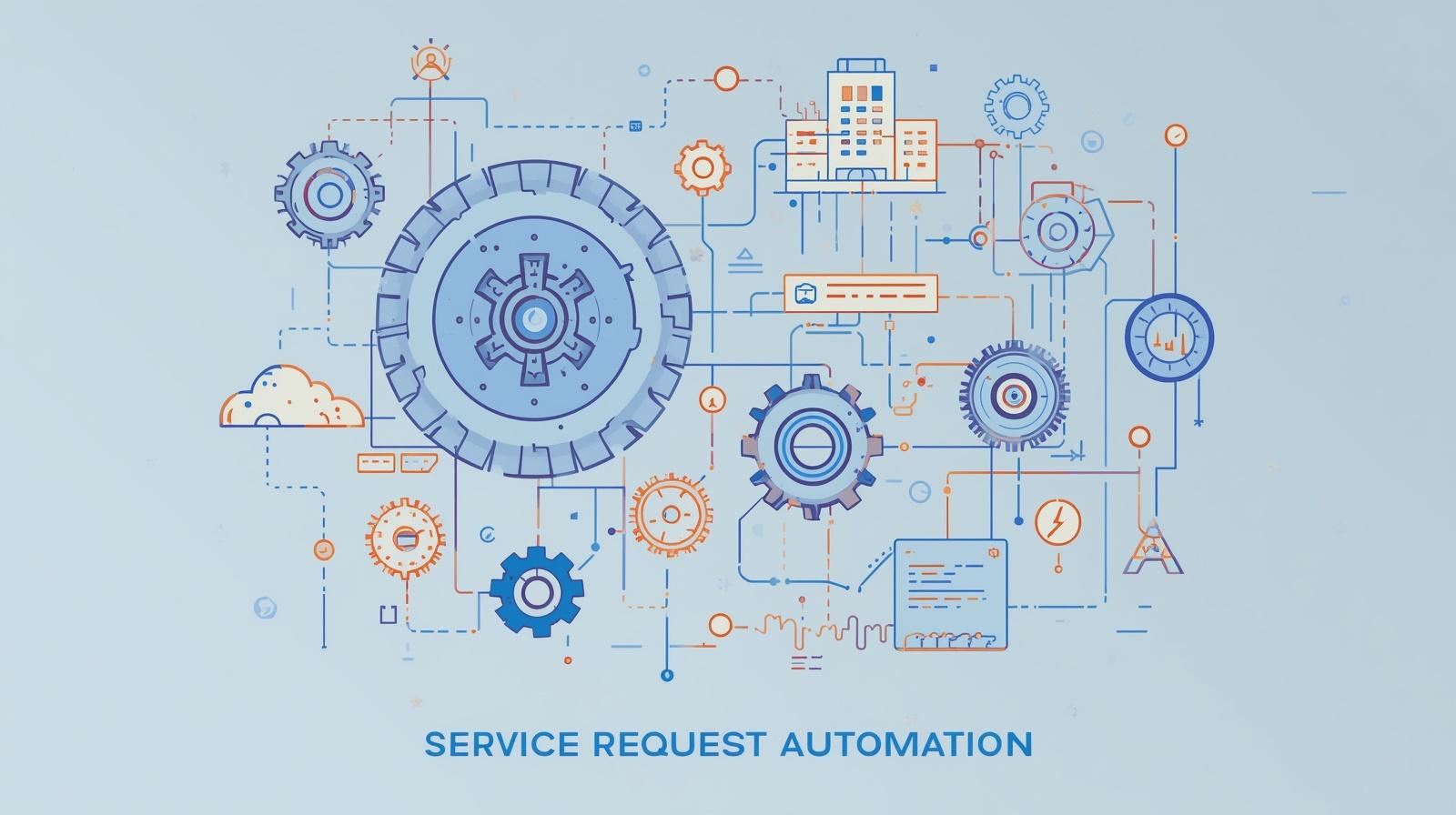
IT teams today handle an overwhelming number of service requests every day. Password resets, software installations, access permissions, and device support tickets can consume valuable time and slow down operations. When these repetitive tasks rely on manual processes, delays increase, employee productivity suffers, and IT teams struggle to focus on strategic priorities. This is why service request automation has become essential for modern organizations. By automating repetitive workflows and streamlining service delivery, businesses can improve operational efficiency, reduce response times, and enhance user experiences. For IT managers, cybersecurity professionals, and business leaders, service request automation creates a scalable approach to managing growing IT demands while maintaining strong security and compliance standards.
What is Service Request Automation
Service request automation is the process of using software, workflows, and automation tools to manage and fulfill IT service requests without extensive manual intervention. It enables organizations to automate repetitive support tasks and standardize service delivery processes.
Businesses use IT service management software, workflow automation tools, self-service portals, and ticket management systems to implement service request automation effectively.
Key capabilities include:
- Automated ticket routing
- Self-service request portals
- Workflow approvals
- Password reset automation
- Software deployment automation
- Notification and escalation management
Service request automation helps organizations reduce manual workloads while improving speed and consistency across IT operations.
Modern IT environments are more complex and fast-paced than ever before. Organizations need efficient ways to manage increasing support demands.
Rising Support Requests
Remote work and digital transformation increase the number of IT requests.
Higher User Expectations
Employees expect fast and seamless support experiences.
Resource Constraints
IT teams often operate with limited staff and growing responsibilities.
Need for Operational Efficiency
Organizations want to reduce repetitive tasks and optimize workflows.
Stronger Security Requirements
Automated workflows help enforce consistent security policies.
For CEOs and founders, service request automation improves productivity and operational scalability while reducing costs.
Core Features of Service Request Automation Platforms
An effective service request automation platform includes several critical features.
Self-Service Portals
Users can submit and track requests independently.
Automated Workflow Routing
Requests are automatically assigned to the appropriate teams or systems.
Approval Automation
Managers can approve requests through predefined workflows.
Knowledge Base Integration
Users gain access to helpful documentation and troubleshooting resources.
SLA Management
Automation helps organizations meet service-level agreements consistently.
Reporting and Analytics
Dashboards provide insights into request trends and operational performance.
These features improve efficiency while reducing delays and manual errors.
Benefits of Service Request Automation
Organizations across industries gain major advantages from service request automation.
Faster Response Times
Automation reduces delays and accelerates issue resolution.
Reduced Manual Workloads
IT teams spend less time on repetitive tasks.
Improved User Satisfaction
Employees receive faster and more consistent support.
Better Resource Allocation
Teams can focus on strategic initiatives instead of routine requests.
Stronger Compliance and Security
Automated workflows enforce policies and approval processes consistently.
Enhanced Operational Scalability
Organizations can support growing workloads without increasing staff significantly.
For IT leaders, service request automation improves operational efficiency and service quality.
Industries That Benefit from Service Request Automation
Service request automation provides measurable value across multiple industries.
Healthcare
Healthcare organizations automate account provisioning and support requests securely.
Finance
Financial institutions improve compliance workflows and access management.
Education
Schools and universities streamline student and staff support requests.
Retail
Retail businesses automate onboarding and system access requests across locations.
Manufacturing
Manufacturers improve operational support and maintenance workflows.
These industries rely on automation to improve service delivery and operational resilience.
Common Challenges in Service Request Automation
Although service request automation provides major benefits, organizations may face challenges during implementation.
Legacy System Integration
Older systems may not support automation easily.
Poor Workflow Design
Inefficient workflows can create bottlenecks instead of improvements.
User Adoption Issues
Employees may resist changes to traditional support processes.
Security Concerns
Improperly configured workflows may introduce vulnerabilities.
Lack of Visibility
Organizations may struggle to monitor automated workflows effectively.
Addressing these challenges requires careful planning, testing, and continuous optimization.
Best Practices for Effective Service Request Automation
Organizations should follow proven strategies to maximize the value of service request automation.
Start with Repetitive Tasks
Automate high-volume and low-complexity requests first.
Use Self-Service Portals
Empower users to resolve simple issues independently.
Standardize Workflows
Create consistent processes for common requests.
Integrate Security Controls
Ensure automated workflows include approvals and access verification.
Monitor Performance Metrics
Track response times, resolution rates, and user satisfaction.
Continuously Optimize Processes
Review workflows regularly to improve efficiency and effectiveness.
These best practices help organizations improve operational performance and scalability.
Role of Automation in IT Service Management
Automation is transforming IT service management by simplifying operations and improving service delivery.
Key automation capabilities include:
- Ticket classification and routing
- User onboarding and offboarding
- Software provisioning
- Password reset management
- Incident escalation workflows
- Asset management updates
Automation reduces manual intervention while improving speed, consistency, and operational control.
How Service Request Automation Improves Cybersecurity
Service request automation also strengthens cybersecurity by enforcing policies and reducing human error.
Controlled Access Management
Automated approval workflows reduce unauthorized access risks.
Faster Security Updates
Automation accelerates software deployment and patch management.
Improved Audit Trails
Organizations maintain detailed records of requests and approvals.
Reduced Human Error
Standardized workflows minimize configuration mistakes.
Better Compliance Monitoring
Automation helps organizations maintain regulatory requirements consistently.
For cybersecurity professionals, service request automation improves governance and operational security.
How to Choose the Right Service Request Automation Platform
Selecting the right platform is critical for long-term success. Consider these factors when evaluating solutions.
Workflow Customization
Choose platforms that support flexible workflow design.
Integration Capabilities
Ensure compatibility with existing IT systems and applications.
Scalability
Select tools that can support future organizational growth.
Security Features
Look for role-based access controls and audit logging capabilities.
Reporting and Analytics
Choose solutions with detailed dashboards and performance insights.
User Experience
Ensure portals and workflows are simple and intuitive for employees.
A scalable and secure platform improves operational efficiency while supporting business growth.
How to Implement Service Request Automation Successfully
A structured implementation approach helps organizations achieve stronger results.
Step 1: Assess Existing Workflows
Identify repetitive tasks and operational bottlenecks.
Step 2: Define Automation Goals
Set objectives for response times, efficiency, and user satisfaction.
Step 3: Select the Right Platform
Choose tools that align with organizational and operational requirements.
Step 4: Standardize Service Processes
Create consistent workflows and approval structures.
Step 5: Train Teams and Users
Ensure employees understand new automation systems and processes.
Step 6: Monitor and Improve Continuously
Review workflow performance regularly and optimize where needed.
Following these steps helps organizations maximize the value of automation initiatives.
Future Trends in Service Request Automation
The future of service request automation will continue to evolve through AI, cloud computing, and advanced analytics.
AI-Powered Virtual Assistants
Chatbots and virtual agents will handle routine requests automatically.
Predictive Service Automation
Systems will anticipate user needs and resolve issues proactively.
Hyperautomation Strategies
Organizations will automate end-to-end service workflows across departments.
Cloud-Native Automation Platforms
Cloud solutions will improve scalability and accessibility.
Unified IT Operations
Organizations will integrate service management, security, and monitoring into centralized platforms.
Businesses that embrace these innovations will improve efficiency, agility, and service quality.
Actionable Tips to Improve Service Request Automation
If you want to strengthen your service request automation strategy, consider these practical tips:
- Automate repetitive and high-volume requests first
- Use centralized self-service portals
- Integrate workflows with security controls
- Monitor workflow performance continuously
- Train employees on automation processes
- Regularly review and optimize service workflows
These strategies help organizations improve productivity, reduce costs, and enhance user experiences.
Frequently Asked Questions
Q1: What is service request automation?
Service request automation uses software and workflows to automate repetitive IT support and service management tasks.
Q2: Why is service request automation important?
It improves efficiency, reduces response times, and enhances user satisfaction.
Q3: What types of requests can be automated?
Organizations commonly automate password resets, software deployments, onboarding tasks, and access requests.
Q4: How does service request automation improve cybersecurity?
Automation enforces consistent approval workflows and reduces human error in access management processes.
Q5: Can small businesses benefit from service request automation?
Yes, automation helps small businesses improve efficiency and support growing workloads without expanding staff significantly.
Final Thoughts
Service request automation is becoming a critical component of modern IT operations. By automating repetitive workflows and streamlining support processes, organizations can improve operational efficiency, strengthen security, and deliver faster service experiences. For IT managers, cybersecurity professionals, and business leaders, service request automation provides a scalable solution for managing growing operational demands while reducing costs and improving productivity. As organizations continue to embrace digital transformation, investing in intelligent automation strategies will be essential for maintaining agility, resilience, and long-term success.
Elevate your IT management — start your complimentary ITarian trial


 Loading...