Making informed decisions in a managed service environment can be challenging without clear visibility into performance, security, and operations. Many MSPs struggle with scattered data, delayed reporting, and limited insights into key metrics. This is where MSP executive dashboards become essential. By consolidating critical data into a single, easy-to-understand interface, these dashboards empower leaders to track performance, identify trends, and make strategic decisions quickly. For IT managers, cybersecurity professionals, and business leaders, MSP executive dashboards provide the clarity needed to optimize operations and drive growth.
What are MSP Executive Dashboards
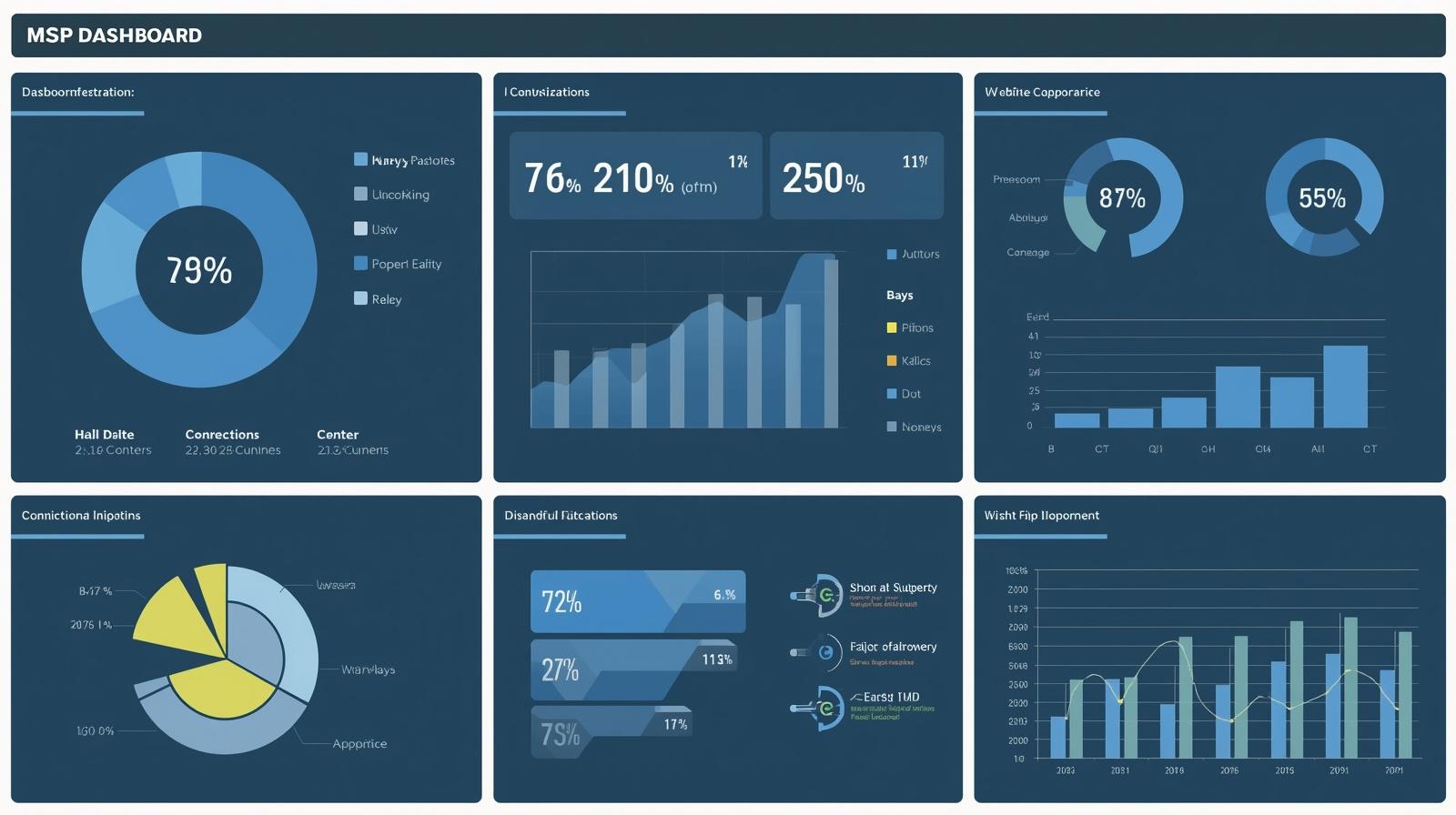
MSP executive dashboards are centralized visual tools that display key performance indicators (KPIs), metrics, and insights related to managed IT services. These dashboards provide a high-level overview of operations, helping decision-makers monitor performance in real time.
Organizations use IT analytics dashboards, RMM reporting tools, business intelligence platforms, and IT performance monitoring systems to build effective MSP executive dashboards.
Key elements include:
- Real-time performance metrics
- Service delivery insights
- Security and compliance data
- Client performance tracking
- Financial and operational reporting
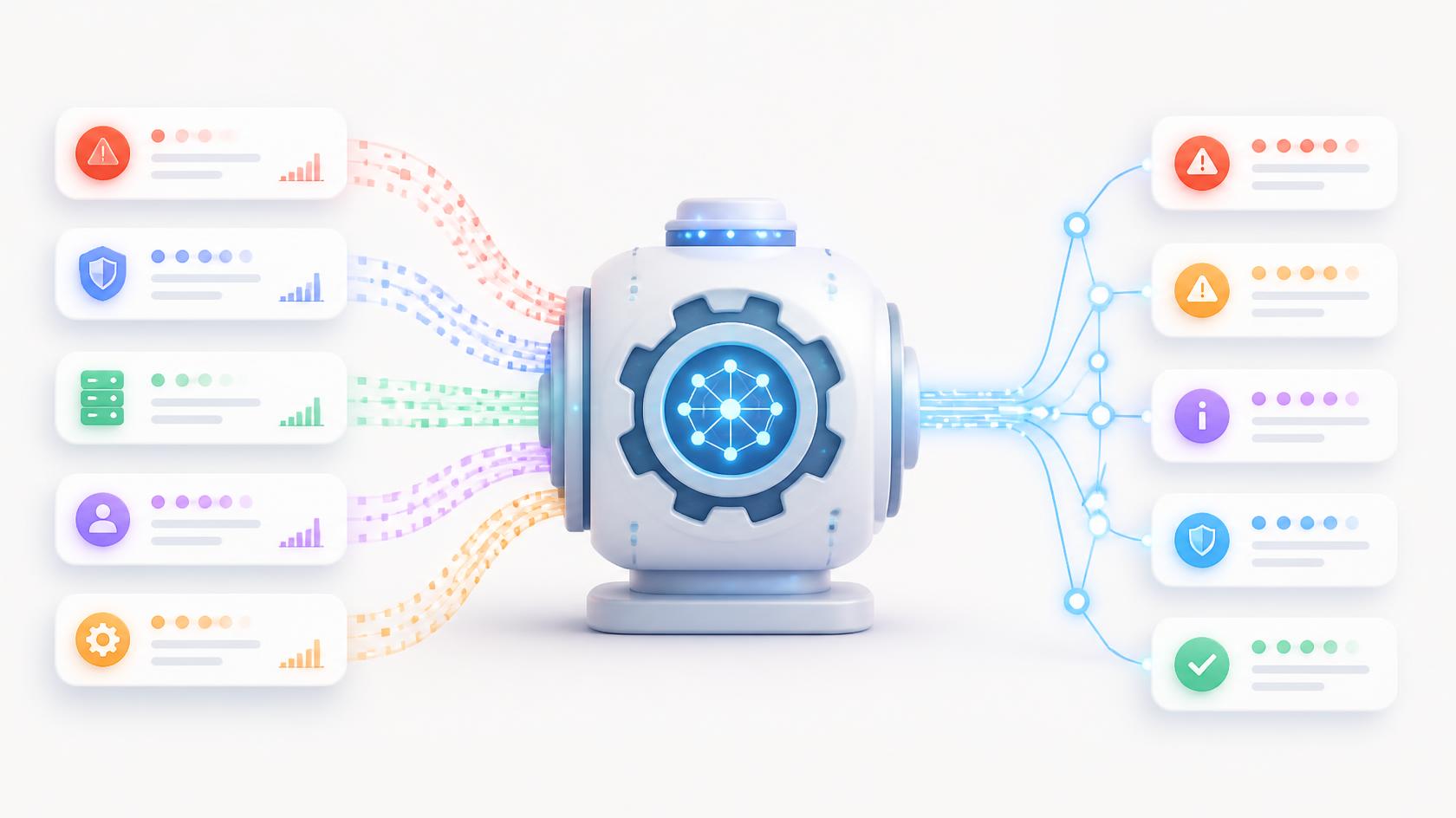
MSP executive dashboards transform raw data into actionable intelligence.
Why MSP Executive Dashboards Matter for Modern MSPs
Modern MSPs operate in complex environments with multiple clients, systems, and services. Without centralized visibility, managing operations efficiently becomes difficult.
Improved Decision-Making
Dashboards provide clear insights for faster decisions.
Enhanced Visibility
Leaders gain a comprehensive view of operations.
Better Client Reporting
MSPs can present clear performance data to clients.
Operational Efficiency
Streamlined data access reduces time spent on analysis.
Competitive Advantage
Data-driven decisions improve service quality and client satisfaction.
For CEOs and founders, MSP executive dashboards are essential tools for strategic planning and business growth.
Core Components of MSP Executive Dashboards
Effective MSP executive dashboards rely on several key components.
Performance Metrics
Track uptime, response times, and system health.
Service Desk Data
Monitor ticket volumes, resolution times, and SLA compliance.
Security Metrics
Track vulnerabilities, incidents, and compliance status.
Financial Insights
Analyze revenue, costs, and profitability.
Client-Specific Data
Provide insights into individual client environments.
These components ensure a comprehensive view of MSP operations.
Benefits of MSP Executive Dashboards Across Industries
MSP executive dashboards deliver value across multiple sectors.
Healthcare
- Ensures system uptime for critical services
- Enhances data security
- Supports compliance requirements
Finance
- Improves risk management
- Enhances system reliability
- Supports regulatory compliance
Retail
- Improves customer experience
- Reduces downtime
- Enhances operational efficiency
Manufacturing
- Monitors production systems
- Prevents disruptions
- Improves productivity
Education
- Supports digital learning platforms
- Enhances accessibility
- Improves collaboration
For IT leaders, these benefits ensure consistent and efficient service delivery.
Common Challenges in Implementing MSP Executive Dashboards
Despite their advantages, organizations often face challenges when implementing MSP executive dashboards.
Data Silos
Information is spread across multiple systems.
Lack of Standardization
Inconsistent metrics make analysis difficult.
Limited Integration
Tools may not work seamlessly together.
Data Overload
Too much information can overwhelm users.
Skill Gaps
Teams may lack expertise in data analytics.
Addressing these challenges requires a strategic approach and the right tools.
Best Practices for Building Effective MSP Executive Dashboards
To maximize the value of MSP executive dashboards, organizations should follow best practices.
Define Clear Objectives
Identify the key metrics that matter most.
Use Real-Time Data
Ensure dashboards provide up-to-date information.
Simplify Visualizations
Use clear and intuitive charts and graphs.
Integrate Data Sources
Combine data from multiple systems into one platform.
Focus on Key Metrics
Avoid clutter by highlighting critical information.
Continuously Optimize
Refine dashboards based on feedback and insights.
These practices help create dashboards that are both effective and user-friendly.
Role of Automation in MSP Executive Dashboards
Automation plays a critical role in enhancing MSP executive dashboards. It ensures accurate and timely data updates.
Key benefits include:
- Automated data collection
- Real-time updates
- Reduced manual effort
- Improved accuracy
- Faster reporting cycles
Automation enables MSPs to maintain dashboards that reflect current operational status.
How to Choose the Right MSP Executive Dashboard Tools
Selecting the right tools is essential for success. Consider the following factors:
Scalability
Ensure the solution can handle growing data volumes.
Integration Capabilities
Choose tools that connect with existing systems.
Ease of Use
Select platforms with intuitive interfaces.
Customization Options
Allow dashboards to be tailored to specific needs.
Reporting Capabilities
Ensure tools provide actionable insights.
A well-chosen platform significantly improves dashboard effectiveness.
How to Implement MSP Executive Dashboards Successfully
A structured approach ensures effective implementation.
Step 1: Assess Current Data Sources
Identify where your data resides.
Step 2: Define KPIs
Determine the metrics that matter most.
Step 3: Select the Right Tools
Choose platforms that support integration and visualization.
Step 4: Design Dashboard Layout
Create a user-friendly interface.
Step 5: Train Teams
Ensure staff understand how to use dashboards.
Step 6: Monitor and Optimize
Continuously refine dashboards based on insights.
Following these steps helps organizations build effective dashboards.
Future Trends in MSP Executive Dashboards
The future of MSP executive dashboards is driven by innovation and advanced technologies.
AI-Driven Analytics
Artificial intelligence enhances data analysis and insights.
Predictive Analytics
Forecast trends and potential issues.
Cloud-Based Dashboards
Cloud platforms offer scalability and flexibility.
Real-Time Monitoring
Instant insights into system performance.
Integration with Security Platforms
Combine operational and security data for comprehensive insights.
Staying ahead of these trends helps MSPs remain competitive.
Actionable Tips to Improve MSP Dashboard Strategy
If you want to optimize your dashboard approach, consider these practical tips:
- Focus on key performance indicators
- Use centralized dashboards
- Automate data collection
- Monitor performance regularly
- Train your IT team
- Continuously refine dashboards
These steps help ensure effective and efficient data management.
Frequently Asked Questions
Q1: What are MSP executive dashboards?
MSP executive dashboards are tools that provide a high-level view of IT performance and operations.
Q2: Why are MSP executive dashboards important?
They improve visibility, decision-making, and operational efficiency.
Q3: What metrics should be included in dashboards?
Metrics include performance, security, service desk data, and financial insights.
Q4: Can small MSPs benefit from dashboards?
Yes, dashboards help organizations of all sizes improve efficiency and performance.
Q5: How does automation improve dashboards?
Automation ensures real-time updates and reduces manual effort.
Final Thoughts
MSP executive dashboards are essential for organizations looking to gain better visibility into their IT operations and make data-driven decisions. By consolidating key metrics into a centralized platform, MSPs can improve efficiency, enhance client reporting, and drive business growth. For IT managers, cybersecurity professionals, and business leaders, investing in MSP executive dashboards is a strategic step toward achieving operational excellence and long-term success. As the IT landscape continues to evolve, organizations that leverage advanced dashboard solutions will be better equipped to stay competitive and deliver high-quality services.

 (1 votes, average: 4.00 out of 5)
 Loading...