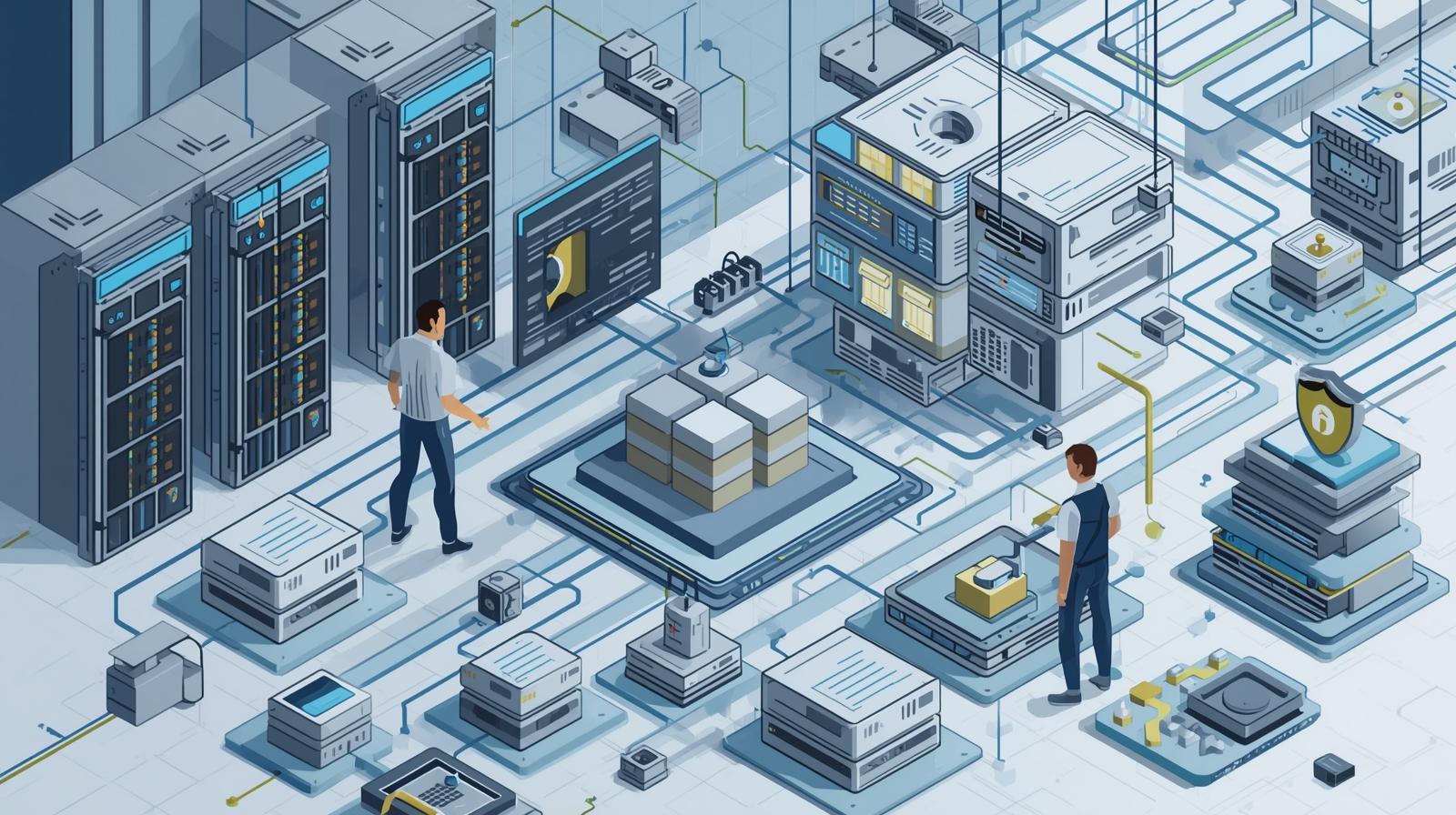

Managing multiple clients across different networks, devices, and infrastructures can quickly become overwhelming without the right systems in place. As managed service providers (MSPs) and IT teams grow, they need better visibility, automation, and centralized control to maintain performance and security across every client environment. This is where multi client IT management becomes essential. By using centralized monitoring, remote management, and automation tools, organizations can simplify operations while improving service quality. For IT managers, cybersecurity professionals, and business leaders, multi client IT management helps reduce operational complexity, strengthen security, and support scalable business growth in competitive digital environments.
What is Multi Client IT Management
Multi client IT management refers to the process of managing IT infrastructure, endpoints, networks, users, and security policies across multiple client environments from a centralized platform. It is commonly used by managed service providers and enterprises that support distributed operations.
Organizations use remote monitoring and management tools, MSP management software, centralized IT dashboards, and endpoint management platforms to streamline multi client IT management.
Core functions include:
- Centralized device management
- Remote monitoring and support
- Patch management automation
- Security policy enforcement
- Asset tracking and reporting
- Multi-tenant administration
Multi client IT management allows IT teams to manage complex environments efficiently without sacrificing visibility or control.
Why Multi Client IT Management Matters
Modern IT environments are becoming increasingly distributed and interconnected. Managing clients manually is no longer practical for growing organizations.
Expanding Remote Workforces
Businesses must manage endpoints and users across multiple locations.
Rising Cybersecurity Risks
Organizations need consistent security enforcement across all clients.
Increased Operational Complexity
Supporting multiple environments requires centralized oversight.
Higher Customer Expectations
Clients expect fast support, proactive monitoring, and minimal downtime.
Need for Scalability
MSPs and enterprises need efficient systems that grow with demand.
For CEOs and founders, multi client IT management supports operational scalability and stronger customer relationships.
Core Features of Multi Client IT Management Platforms
An effective multi client IT management platform includes several essential features.
Centralized Monitoring Dashboard
Provides visibility into all client environments from one interface.
Remote Device Management
Allows IT teams to manage endpoints without physical access.
Automated Patch Management
Ensures systems stay updated and secure.
Role-Based Access Control
Improves security and administrative oversight.
Real-Time Alerts and Notifications
Helps teams identify and resolve issues quickly.
Reporting and Analytics
Generates insights into performance, compliance, and security posture.
These capabilities improve operational efficiency while reducing manual workloads.
Benefits of Multi Client IT Management
Organizations across industries benefit significantly from multi client IT management solutions.
Improved Operational Efficiency
Centralized platforms reduce repetitive tasks and simplify workflows.
Faster Issue Resolution
Real-time monitoring helps teams address problems quickly.
Enhanced Cybersecurity
Consistent policies strengthen security across environments.
Better Resource Utilization
Automation allows IT teams to focus on strategic initiatives.
Scalable Service Delivery
Organizations can support more clients without significantly increasing staff.
Stronger Customer Satisfaction
Reliable service improves client trust and retention.
For IT managers, multi client IT management improves visibility, productivity, and service quality.
Industries That Benefit from Multi Client IT Management
Multi client IT management provides value across many industries.
Managed Service Providers
MSPs use centralized tools to manage multiple customer environments efficiently.
Healthcare
Healthcare organizations improve endpoint security and compliance management.
Financial Services
Financial institutions strengthen monitoring and protect sensitive data.
Education
Schools and universities manage distributed users and devices more effectively.
Retail
Retail organizations maintain stable operations across multiple store locations.
These industries rely on centralized management to improve security and operational resilience.
Common Challenges in Multi Client IT Management
Although the benefits are significant, organizations may encounter implementation challenges.
Managing Diverse Environments
Different systems and devices increase operational complexity.
Security Standardization
Ensuring consistent policies across clients can be difficult.
Alert Fatigue
Excessive notifications may overwhelm IT teams.
Limited Visibility
Disconnected tools create monitoring gaps.
Scalability Issues
Traditional management systems may struggle with growth.
Addressing these challenges requires automation, integration, and intelligent monitoring solutions.
Best Practices for Effective Multi Client IT Management
Organizations should follow proven strategies to maximize success.
Use Centralized Management Platforms
Consolidate monitoring, patching, and reporting tools into one system.
Automate Routine Tasks
Reduce manual effort through scripting and workflow automation.
Standardize Security Policies
Apply consistent cybersecurity controls across all clients.
Prioritize Proactive Monitoring
Detect and resolve issues before they affect users.
Conduct Regular Audits
Review client environments for vulnerabilities and compliance gaps.
Train IT Teams Continuously
Ensure staff stay updated on tools, threats, and operational practices.
These best practices help organizations improve efficiency and maintain service quality.
Role of Automation in Multi Client IT Management
Automation is a major driver of operational efficiency in modern IT environments.
Key automation capabilities include:
- Automated patch deployment
- Device onboarding workflows
- Script-based remediation
- Automated reporting
- Alert prioritization and escalation
- Compliance monitoring
Automation reduces repetitive workloads while improving response times and service consistency.
How Multi Client IT Management Improves Cybersecurity
Cybersecurity is one of the biggest priorities for organizations managing multiple client environments.
Centralized Security Enforcement
Organizations can apply consistent policies across all endpoints.
Faster Threat Detection
Real-time monitoring identifies suspicious activity quickly.
Improved Vulnerability Management
Automated patching reduces exposure to security risks.
Better Access Control
Role-based permissions improve account security.
Continuous Compliance Monitoring
Organizations maintain visibility into regulatory requirements.
For cybersecurity professionals, multi client IT management strengthens operational security and risk management.
Choosing the Right Multi Client IT Management Platform
Selecting the right platform is essential for long-term success. Consider these factors when evaluating solutions.
Multi-Tenant Support
Ensure the platform can separate and manage multiple client environments securely.
Scalability
Choose tools that can grow with your organization.
Integration Capabilities
Select platforms compatible with existing IT systems and cloud environments.
Automation Features
Look for advanced automation and scripting capabilities.
Reporting and Analytics
Choose solutions with customizable dashboards and reports.
Security and Compliance Tools
Ensure the platform supports encryption, access controls, and audit logging.
A scalable and secure platform improves operational performance while reducing complexity.
How to Implement Multi Client IT Management Successfully
A structured implementation approach helps organizations achieve better outcomes.
Step 1: Assess Existing Infrastructure
Identify current tools, systems, and operational challenges.
Step 2: Define Operational Goals
Set objectives for efficiency, security, and scalability.
Step 3: Select the Right Platform
Choose solutions that align with organizational and client needs.
Step 4: Standardize Management Processes
Create consistent workflows and security policies.
Step 5: Automate Key Tasks
Implement automation for monitoring, patching, and reporting.
Step 6: Monitor and Optimize Continuously
Review performance metrics and improve operational processes regularly.
Following these steps helps organizations build a scalable and effective IT management strategy.
Future Trends in Multi Client IT Management
The future of multi client IT management will continue to evolve through automation, AI, and cloud innovation.
AI-Driven Monitoring
Artificial intelligence will improve predictive issue detection and remediation.
Cloud-Native Management Platforms
Cloud solutions will improve scalability and remote access capabilities.
Zero Trust Security Models
Organizations will adopt stronger identity and access controls.
Advanced Automation Workflows
Automation will reduce manual workloads even further.
Unified Endpoint Management
Organizations will manage desktops, servers, mobile devices, and IoT systems from centralized platforms.
Businesses that embrace these innovations will improve operational efficiency and service quality.
Actionable Tips to Improve Multi Client IT Management
If you want to strengthen your multi client IT management strategy, consider these practical tips:
- Centralize monitoring and reporting tools
- Automate patch management and remediation
- Standardize cybersecurity policies across clients
- Use role-based access controls
- Monitor environments continuously
- Conduct regular security and compliance audits
These strategies help organizations improve scalability, reduce downtime, and strengthen operational performance.
Frequently Asked Questions
Q1: What is multi client IT management?
Multi client IT management involves managing multiple customer environments from a centralized platform.
Q2: Why is multi client IT management important for MSPs?
It improves operational efficiency, scalability, and service quality across client environments.
Q3: What tools support multi client IT management?
Organizations use RMM platforms, endpoint management tools, centralized dashboards, and automation software.
Q4: How does automation improve multi client IT management?
Automation reduces manual tasks, improves response times, and enhances operational consistency.
Q5: Can small IT teams benefit from multi client IT management?
Yes, centralized management helps small teams support more clients efficiently while improving visibility and security.
Final Thoughts
Multi client IT management is essential for organizations that need to manage complex and distributed IT environments efficiently. By combining centralized visibility, automation, and proactive monitoring, businesses can improve service quality while reducing operational complexity. For IT managers, cybersecurity professionals, and business leaders, adopting a modern multi client IT management strategy supports scalability, strengthens security, and enhances customer satisfaction. As IT environments continue to evolve, organizations that invest in centralized and automated management solutions will be better prepared to maintain reliable, secure, and high-performing operations.

 Loading...