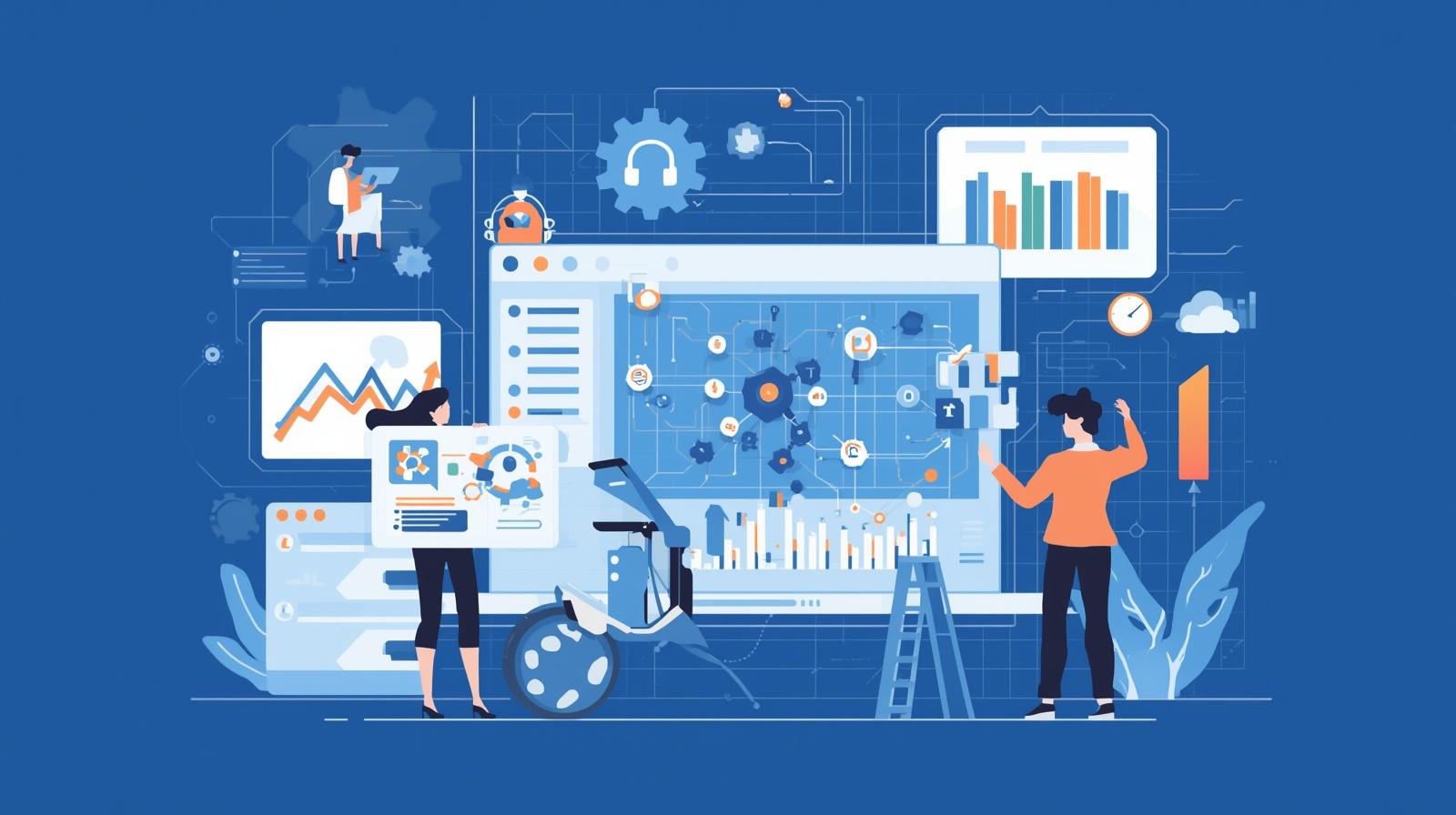
Every organization depends on IT services to deliver consistent performance, ensure uptime, and support business goals. Yet, many IT teams struggle to understand what is working and what needs improvement. Without clear insights, decisions are often reactive rather than strategic. This is where IT service analytics becomes essential. By transforming raw IT data into meaningful insights, IT service analytics helps organizations optimize operations, improve service delivery, and enhance user experience. For IT managers, cybersecurity professionals, and business leaders, IT service analytics is a powerful tool to drive efficiency, reduce risks, and make smarter decisions in complex IT environments.
What is IT Service Analytics
IT service analytics refers to the process of collecting, analyzing, and interpreting data related to IT services, operations, and performance. It provides actionable insights that help organizations improve service quality and operational efficiency.
Organizations use IT analytics platforms, service desk reporting tools, performance monitoring systems, and business intelligence solutions to implement IT service analytics effectively.
Key elements include:
- Data collection from IT systems
- Performance analysis and reporting
- Trend identification
- Predictive insights
- Continuous improvement
With IT service analytics, organizations can move from reactive problem-solving to proactive optimization.
Why IT Service Analytics Matters in Modern IT
Modern IT environments generate vast amounts of data, but without analytics, this data has little value.
Increasing Complexity
Hybrid and multi-cloud environments require better visibility.
Rising Service Expectations
Users expect fast, reliable IT services.
Need for Cost Optimization
Organizations must manage IT budgets effectively.
Cybersecurity Risks
Analytics helps identify unusual patterns and potential threats.
Data-Driven Decision Making
Leaders rely on accurate insights to guide strategies.
For CEOs and founders, IT service analytics ensures that IT investments deliver measurable business value.
Core Components of IT Service Analytics
Effective IT service analytics relies on several key components.
Data Collection
Gather data from IT systems, applications, and services.
Data Processing
Organize and clean data for analysis.
Performance Metrics
Track key indicators such as uptime, response time, and ticket resolution.
Visualization
Present data through dashboards and reports.
Predictive Analytics
Forecast future trends and potential issues.
These components provide a comprehensive view of IT service performance.
Benefits of IT Service Analytics Across Industries
IT service analytics delivers value across various sectors.
Healthcare
- Improves system reliability
- Enhances patient data security
- Supports compliance requirements
Finance
- Strengthens risk management
- Enhances system performance
- Supports regulatory compliance
Retail
- Improves customer experience
- Reduces downtime
- Enhances operational efficiency
Manufacturing
- Monitors production systems
- Prevents disruptions
- Improves productivity
Education
- Supports digital learning platforms
- Enhances accessibility
- Improves collaboration
For IT leaders, these benefits ensure efficient and reliable service delivery.
Common Challenges in IT Service Analytics
Despite its advantages, organizations often face challenges when implementing IT service analytics.
Data Silos
Information is spread across multiple systems.
Lack of Integration
Tools may not work together seamlessly.
Limited Expertise
Teams may lack data analysis skills.
Data Overload
Large volumes of data can be overwhelming.
Inconsistent Metrics
Different systems may use different measurement standards.
Addressing these challenges requires a unified and strategic approach.
Best Practices for Effective IT Service Analytics
To maximize the benefits of IT service analytics, organizations should follow best practices.
Centralize Data Sources
Use a unified platform to gather data.
Define Key Metrics
Focus on KPIs that align with business goals.
Automate Data Collection
Reduce manual effort and improve accuracy.
Use Real-Time Analytics
Monitor performance continuously.
Train IT Teams
Ensure staff understand analytics tools and processes.
Continuously Improve
Refine strategies based on insights.
These practices help organizations build a strong analytics framework.
Role of Automation in IT Service Analytics
Automation plays a critical role in enhancing IT service analytics. It improves efficiency and accuracy.
Key benefits include:
- Automated data collection
- Real-time performance monitoring
- Faster reporting
- Reduced human error
- Improved scalability
Automation enables organizations to maintain accurate and up-to-date analytics.
How to Choose the Right IT Service Analytics Tools
Selecting the right tools is essential for success. Consider the following factors:
Scalability
Ensure the solution can handle growing data volumes.
Integration Capabilities
Choose tools that integrate with existing systems.
Ease of Use
Select platforms with intuitive interfaces.
Analytics Features
Look for advanced data analysis capabilities.
Reporting Capabilities
Ensure tools provide actionable insights.
A well-chosen platform significantly improves analytics effectiveness.
How to Implement IT Service Analytics Successfully
A structured approach ensures effective implementation.
Step 1: Assess Current Data Sources
Identify where your data resides.
Step 2: Define Objectives
Set clear goals for analytics and performance improvement.
Step 3: Select the Right Tools
Choose platforms that support integration and analysis.
Step 4: Configure Data Collection
Set up systems to gather relevant data.
Step 5: Train Teams
Ensure staff understand analytics tools and processes.
Step 6: Monitor and Optimize
Continuously refine strategies based on insights.
Following these steps helps organizations build a strong analytics framework.
Future Trends in IT Service Analytics
The future of IT service analytics is driven by innovation and advanced technologies.
AI-Driven Analytics
Artificial intelligence enhances data analysis and predictions.
Predictive Maintenance
Forecast issues before they occur.
Cloud-Based Analytics Platforms
Cloud solutions offer scalability and flexibility.
Real-Time Insights
Instant analytics improve decision-making.
Integration with Security Systems
Combine analytics with cybersecurity for better protection.
Staying ahead of these trends helps organizations remain competitive.
Actionable Tips to Improve IT Service Analytics
If you want to strengthen your analytics strategy, consider these practical tips:
- Centralize your data sources
- Automate data collection
- Focus on key performance metrics
- Monitor systems continuously
- Train your IT team
- Regularly update analytics strategies
These steps help ensure effective and efficient analytics.
Frequently Asked Questions
Q1: What is IT service analytics?
IT service analytics involves analyzing IT data to improve service performance and decision-making.
Q2: Why is IT service analytics important?
It provides insights that help improve efficiency, reduce costs, and enhance service quality.
Q3: What tools are used for IT service analytics?
Tools include analytics platforms, monitoring systems, and reporting solutions.
Q4: Can small businesses benefit from IT service analytics?
Yes, it helps organizations of all sizes improve performance and efficiency.
Q5: How does automation improve IT service analytics?
Automation enables faster data collection, analysis, and reporting with greater accuracy.
Final Thoughts
IT service analytics is essential for organizations looking to improve IT performance, reduce costs, and make data-driven decisions. By transforming raw data into actionable insights, it enables proactive management and continuous improvement. For IT managers, cybersecurity professionals, and business leaders, investing in IT service analytics is a strategic move that supports long-term success and operational efficiency. As IT environments continue to evolve, organizations that leverage advanced analytics will be better equipped to stay competitive and deliver high-quality services.

 Loading...