Improving IT Security Through Cross Platform Endpoint Management
Updated on March 11, 2026, by ITarian
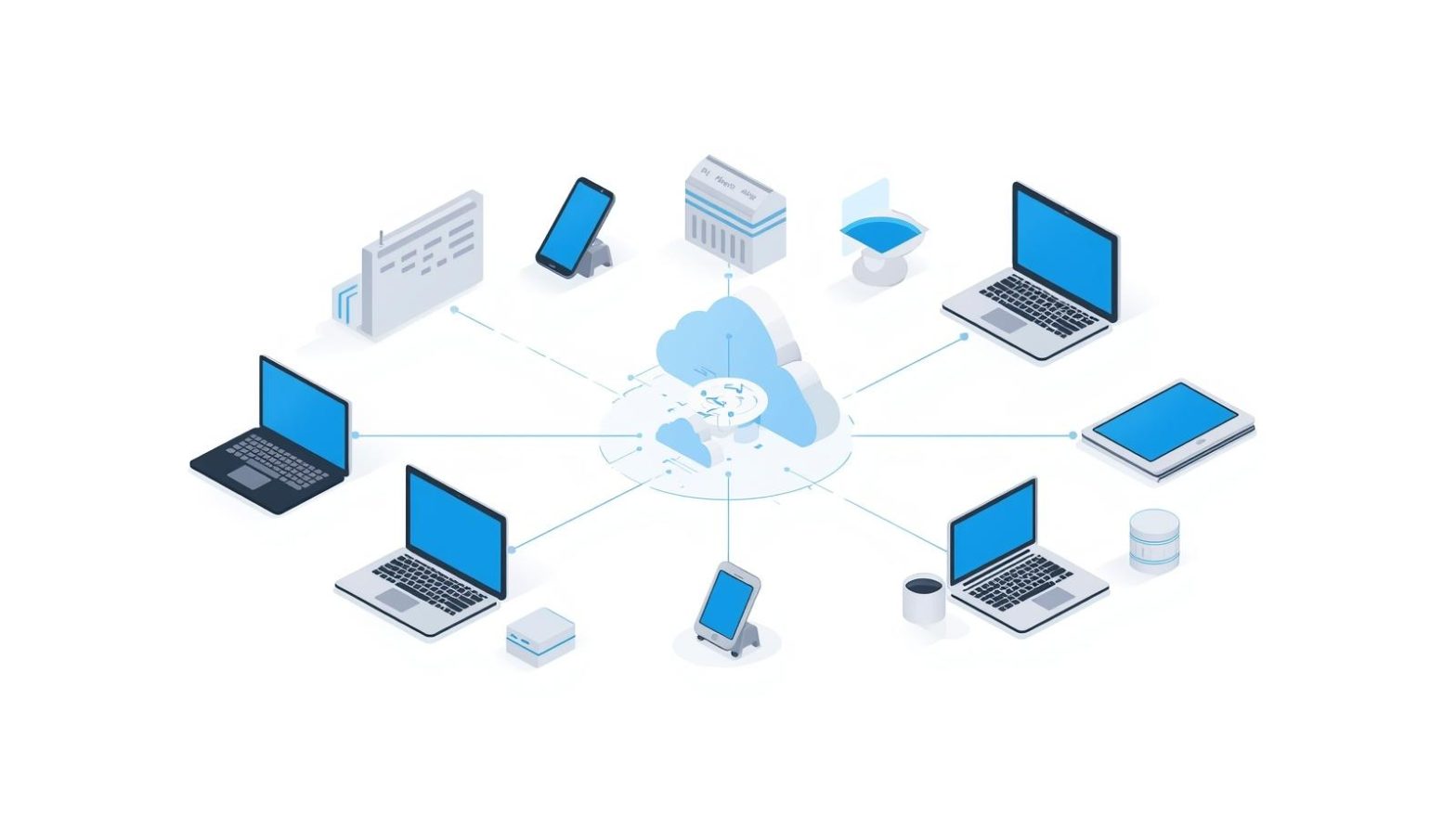
Is your organization struggling to manage devices running different operating systems? Modern workplaces rely on diverse endpoints, including Windows laptops, macOS workstations, Linux servers, and mobile devices. Without a unified approach, managing these systems becomes complex and risky. Cross platform endpoint management solves this challenge by enabling IT teams to monitor, secure, and control all devices from a centralized platform.
For cybersecurity professionals, IT managers, CEOs, and founders, cross platform endpoint management is a strategic capability that ensures consistent security policies, operational visibility, and efficient device management. In today’s hybrid and remote work environments, organizations cannot afford fragmented management systems.
A unified approach ensures every device receives the same level of protection and oversight.
What Is Cross Platform Endpoint Management
Cross platform endpoint management refers to the ability to monitor, secure, and administer devices across multiple operating systems using a single management platform. Instead of using separate tools for each operating system, organizations deploy one centralized solution that supports diverse device environments.
Endpoints typically include:
-
Windows desktops and laptops
-
macOS workstations
-
Linux systems
-
Mobile devices running Android or iOS
-
Servers and virtual machines
Cross platform endpoint management ensures consistent oversight regardless of the operating system used.
This approach simplifies administration and strengthens security across the entire infrastructure.
Why Cross Platform Endpoint Management Matters Today
The traditional workplace consisted mainly of Windows desktops within a corporate network. That model has changed dramatically.
Today’s organizations operate across:
-
Remote work environments
-
Cloud infrastructure
-
Bring-your-own-device policies
-
Global teams using diverse hardware
Without cross platform endpoint management, IT teams must manage separate tools for each environment.
This fragmentation increases complexity, slows incident response, and creates security gaps.
Cross platform endpoint management eliminates these challenges by providing a unified control framework.
Core Benefits of Cross Platform Endpoint Management
Implementing cross platform endpoint management delivers significant advantages for IT teams and leadership.
Centralized Visibility
Administrators gain a unified dashboard showing device health, security status, and configuration details across all endpoints.
Centralized monitoring simplifies troubleshooting and improves response time.
Consistent Security Enforcement
Security policies can be applied across operating systems simultaneously.
This consistency reduces vulnerabilities caused by misconfigurations.
Reduced Operational Complexity
Managing devices through a single interface eliminates the need for multiple tools.
Simplified workflows increase productivity for IT teams.
Improved Compliance
Cross platform endpoint management ensures that all systems adhere to regulatory and organizational policies.
Compliance reports can be generated quickly for audits.
Enhancing Cybersecurity Through Unified Endpoint Management
Cybersecurity threats often exploit weak endpoints. If one device lacks proper protection, attackers can move laterally through the network.
Cross platform endpoint management strengthens security by enabling:
-
Real-time endpoint monitoring
-
Automated patch deployment
-
Endpoint isolation during incidents
-
Malware detection across platforms
-
Enforcement of encryption policies
By treating every device as part of a unified security framework, organizations reduce the likelihood of breaches.
Security teams gain complete visibility across the endpoint ecosystem.
Managing Patch Deployment Across Multiple Operating Systems
Patch management is a critical function of endpoint security. However, managing updates across different operating systems can be difficult.
Cross platform endpoint management simplifies patch deployment by automating updates across Windows, macOS, Linux, and other systems.
Automated patching ensures:
-
Vulnerabilities are addressed quickly
-
Devices remain compliant with security standards
-
Manual workload for administrators decreases
Timely patching reduces the attack surface and improves system stability.
Supporting Remote and Hybrid Work Environments
Remote work has transformed endpoint management. Devices now connect from home networks, public Wi-Fi, and international locations.
Cross platform endpoint management allows administrators to manage endpoints regardless of location.
Capabilities include:
-
Remote troubleshooting and diagnostics
-
Device provisioning and configuration
-
Security policy enforcement
-
Real-time performance monitoring
Centralized cloud-based dashboards ensure administrators maintain control even when devices operate outside corporate networks.
Key Features of Effective Cross Platform Endpoint Management Solutions
Choosing the right platform requires evaluating essential capabilities.
A strong cross platform endpoint management solution should include:
-
Unified device monitoring
-
Automated patch management
-
Endpoint security integration
-
Role-based access controls
-
Device inventory tracking
-
Compliance reporting
-
Remote management capabilities
Automation features also play an important role in reducing repetitive administrative tasks.
Best Practices for Implementing Cross Platform Endpoint Management
Implementing cross platform endpoint management successfully requires strategic planning.
Start by conducting a full inventory of devices and operating systems.
Establish clear security policies that apply to all endpoints.
Select a platform that integrates with existing IT tools and infrastructure.
Provide training to IT teams to ensure smooth adoption.
Finally, monitor performance metrics to evaluate improvements in security and efficiency.
Consistency across departments strengthens long-term effectiveness.
Common Challenges and How to Overcome Them
Organizations adopting cross platform endpoint management may encounter obstacles.
Device compatibility can be challenging when older hardware or operating systems are present.
Regular updates and compatibility testing help mitigate this issue.
User resistance may arise when new policies affect workflows.
Clear communication about security benefits encourages cooperation.
Another challenge involves integrating legacy systems. Gradual migration strategies reduce disruption.
With proper planning, these challenges can be addressed effectively.
Integrating Cross Platform Endpoint Management With Security Platforms
Endpoint management should work alongside broader security tools.
Integration with other systems enhances visibility and response capabilities.
Examples include:
-
Security information and event management platforms
-
Identity and access management tools
-
Backup and disaster recovery systems
-
Network monitoring platforms
When integrated, cross platform endpoint management becomes part of a larger security ecosystem.
This layered approach strengthens overall defense.
Future Trends in Cross Platform Endpoint Management
Technology continues to evolve, and endpoint management platforms are adapting rapidly.
Artificial intelligence and machine learning are improving predictive security analysis.
Automation is expanding to include self-healing endpoints that detect and resolve issues independently.
Cloud-native platforms are improving scalability and accessibility.
These innovations will further simplify device management while strengthening cybersecurity posture.
Organizations that invest in modern endpoint management solutions today will be better prepared for tomorrow’s digital challenges.
Frequently Asked Questions
1. What is cross platform endpoint management?
Cross platform endpoint management is the ability to monitor and manage devices across multiple operating systems from a centralized platform.
2. Why is cross platform endpoint management important?
It simplifies device administration, ensures consistent security policies, and improves operational efficiency.
3. Can it support remote devices?
Yes, modern platforms allow administrators to manage endpoints from any location through cloud-based dashboards.
4. Does cross platform endpoint management improve cybersecurity?
Yes, unified monitoring and automated patching reduce vulnerabilities across all devices.
5. What industries benefit from cross platform endpoint management?
Any organization with diverse devices or remote teams benefits from unified endpoint management.
Final Thoughts
Cross platform endpoint management empowers organizations to manage diverse device ecosystems with confidence. By centralizing visibility, enforcing consistent security policies, and automating routine tasks, businesses can reduce complexity while improving cybersecurity. In a world where endpoints continue to multiply, unified management is essential for maintaining operational control and protecting critical data.
Strengthen your endpoint security and streamline IT operations — Secure your infrastructure better — launch your free ITarian trial


 Loading...