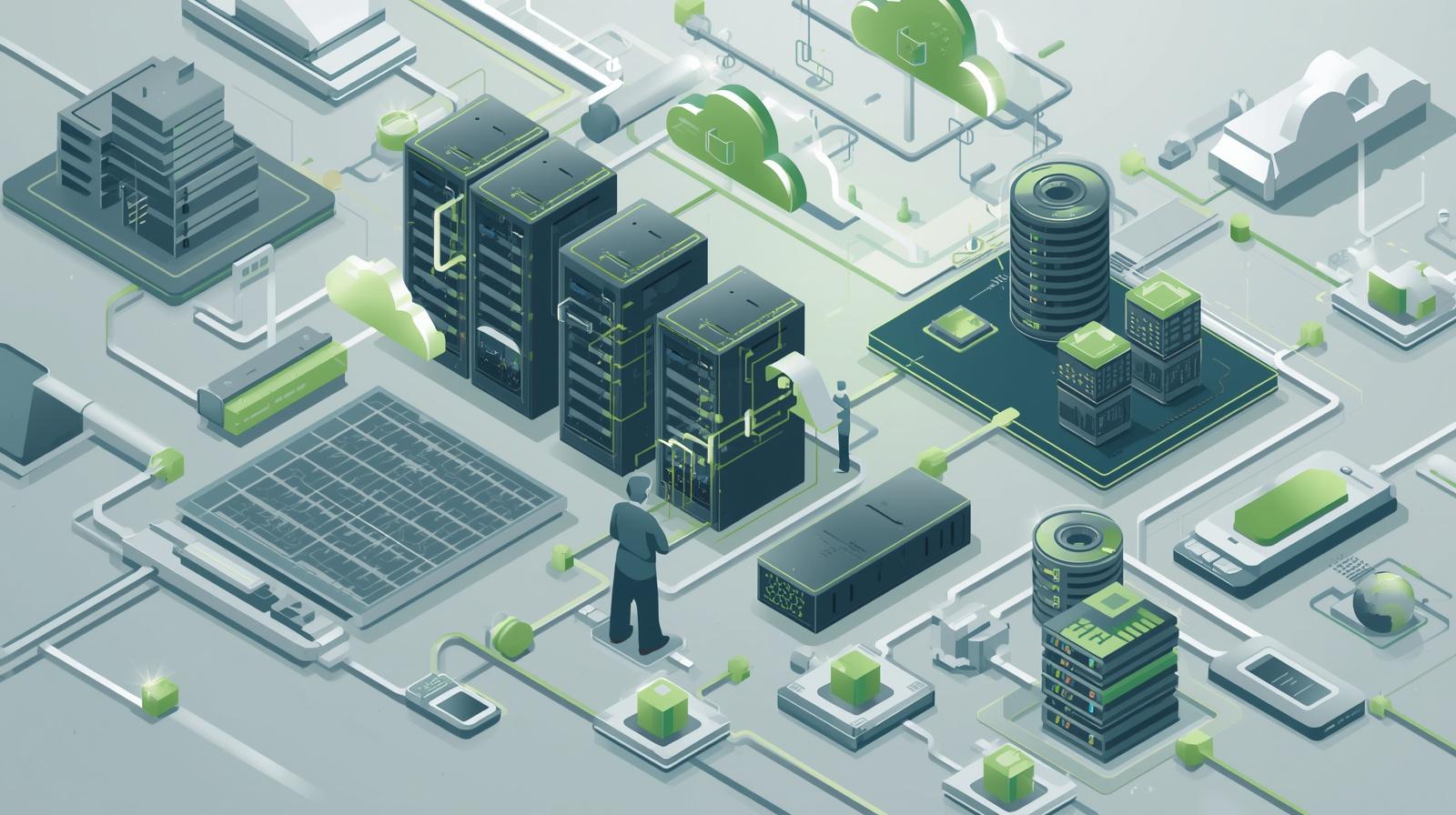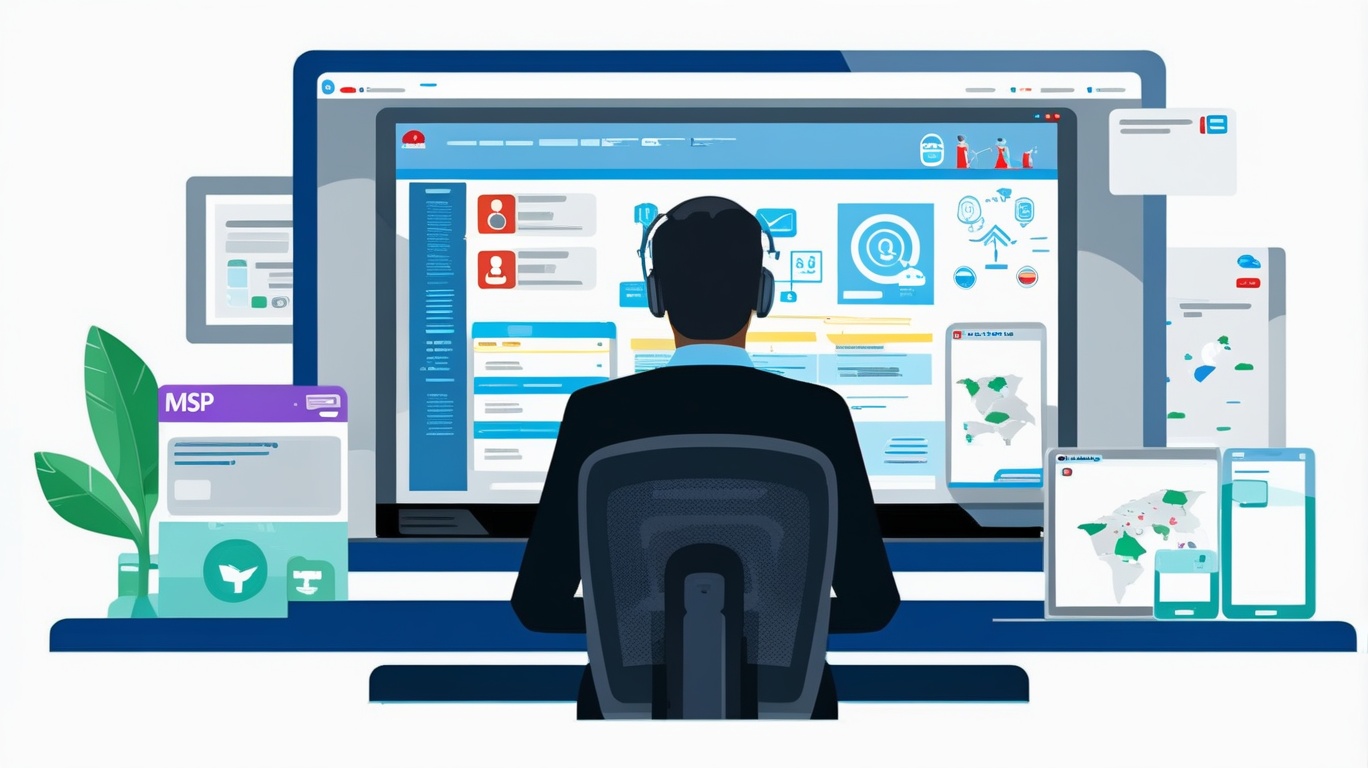
Businesses today rely heavily on technology to support operations, customer experiences, and cybersecurity. As IT environments become more complex, organizations need efficient tools to manage systems, support users, and maintain operational stability. This is where the comparison between RMM vs ITSM becomes important. While both technologies improve IT management, they serve different purposes and address unique operational challenges. Understanding the differences between remote monitoring and management (RMM) and IT service management (ITSM) helps organizations choose the right solution for their needs. For IT managers, cybersecurity professionals, and business leaders, selecting the right platform can improve productivity, strengthen security, and support long-term growth.
What is RMM
Remote Monitoring and Management (RMM) is a technology platform designed to help IT teams and managed service providers monitor, manage, and maintain endpoints and networks remotely.
Organizations use RMM software, endpoint management tools, network monitoring platforms, and remote support solutions to streamline IT operations and reduce downtime.
Key functions of RMM include:
- Remote device monitoring
- Automated patch management
- Endpoint security management
- Remote troubleshooting and support
- Script automation
- Real-time alerts and reporting
RMM platforms are widely used by managed service providers and internal IT teams to improve visibility and operational efficiency.
What is ITSM
IT Service Management (ITSM) focuses on delivering and managing IT services that align with business needs. ITSM platforms help organizations manage incidents, requests, assets, workflows, and service delivery processes.
Businesses use IT service management software, ticketing systems, service desk platforms, and workflow automation tools to improve IT service quality and operational consistency.
Key functions of ITSM include:
- Incident management
- Service request management
- Change management
- Asset management
- Knowledge base management
- Service catalog administration
ITSM platforms help organizations standardize service delivery and improve user experiences.
Why Understanding RMM vs ITSM Matters
Many organizations confuse RMM and ITSM because both support IT operations. However, they solve different problems and provide unique benefits.
Growing IT Complexity
Businesses manage more devices, applications, and users than ever before.
Need for Operational Efficiency
Organizations require automation and centralized visibility.
Cybersecurity Challenges
Modern threats require proactive monitoring and response.
Rising User Expectations
Employees and customers expect fast and reliable IT support.
Strategic Technology Investments
Choosing the right platform improves ROI and long-term scalability.
For CEOs and founders, understanding RMM vs ITSM supports smarter technology planning and operational decision-making.
Core Differences Between RMM and ITSM
Although RMM and ITSM overlap in some areas, their primary purposes are different.
| Feature | RMM | ITSM |
|---|---|---|
| Primary Focus | Device and infrastructure management | Service delivery and support management |
| Main Users | MSPs and IT operations teams | IT service desks and support teams |
| Core Function | Monitoring and automation | Incident and workflow management |
| Key Goal | Maintain infrastructure performance | Improve service delivery |
| Automation Type | Endpoint and patch automation | Workflow and request automation |
| Security Focus | Endpoint monitoring and protection | Compliance and process governance |
| RMM focuses on infrastructure health, while ITSM focuses on managing IT services and user experiences. |
Key Benefits of RMM Platforms
RMM platforms provide several operational advantages for IT teams and managed service providers.
Proactive Monitoring
Organizations can identify and resolve issues before they affect users.
Remote Troubleshooting
IT teams can support endpoints without onsite visits.
Automated Patch Management
Systems stay updated with minimal manual effort.
Improved Endpoint Visibility
Teams gain centralized insights into device health and performance.
Enhanced Operational Efficiency
Automation reduces repetitive maintenance tasks.
For IT managers, RMM platforms improve scalability and reduce downtime risks.
Key Benefits of ITSM Platforms
ITSM solutions help organizations improve service management and operational workflows.
Faster Incident Resolution
Ticketing systems improve issue tracking and response times.
Standardized Processes
Organizations create consistent workflows for service delivery.
Better User Experiences
Employees receive faster and more reliable support.
Improved Compliance Management
ITSM platforms maintain audit trails and governance controls.
Stronger Collaboration
Teams coordinate more effectively through centralized workflows.
For business leaders, ITSM supports productivity, governance, and service quality.
Industries That Benefit from RMM and ITSM
Both RMM and ITSM provide value across many industries.
Healthcare
Organizations improve device security and service reliability.
Finance
Financial institutions strengthen monitoring and compliance workflows.
Education
Schools and universities manage distributed users and endpoints efficiently.
Retail
Retail businesses maintain stable operations across multiple locations.
Manufacturing
Manufacturers improve system monitoring and operational continuity.
These industries rely on centralized IT management to maintain performance and security.
When to Choose RMM
Organizations should consider RMM platforms when they need stronger infrastructure management and endpoint visibility.
Ideal Use Cases for RMM
- Managing remote endpoints
- Automating patch management
- Monitoring network and device health
- Supporting remote workforces
- Reducing infrastructure downtime
Managed service providers often rely heavily on RMM tools for daily operations.
When to Choose ITSM
Organizations should choose ITSM solutions when they need structured service management and workflow automation.
Ideal Use Cases for ITSM
- Managing service requests and incidents
- Standardizing change management processes
- Improving help desk efficiency
- Building self-service portals
- Supporting compliance and governance initiatives
Enterprises with large service desks benefit significantly from ITSM platforms.
Can Organizations Use RMM and ITSM Together?
Yes, many organizations combine RMM and ITSM platforms to create a comprehensive IT management ecosystem.
Benefits of Combining RMM and ITSM
- Better visibility into infrastructure and service operations
- Automated ticket creation from monitoring alerts
- Faster incident resolution
- Improved user experiences
- Stronger operational efficiency
By integrating both solutions, organizations gain proactive monitoring and structured service management capabilities.
Common Challenges in RMM and ITSM Implementation
Although these platforms provide major advantages, organizations may face implementation challenges.
Integration Complexity
Different systems may not connect seamlessly.
User Adoption Issues
Employees may resist workflow changes.
Alert Fatigue
Excessive notifications can overwhelm teams.
Process Standardization
Organizations may struggle to create consistent workflows.
Security and Compliance Concerns
Improper configurations may create vulnerabilities.
Overcoming these challenges requires careful planning and ongoing optimization.
Best Practices for Successful RMM and ITSM Deployment
Organizations should follow proven strategies to maximize value from RMM and ITSM platforms.
Define Operational Goals Clearly
Understand what problems the platform should solve.
Automate Repetitive Tasks
Use automation to reduce manual workloads.
Standardize Workflows
Create consistent policies and service processes.
Train Teams Effectively
Ensure staff understand platform capabilities and best practices.
Monitor Performance Continuously
Track KPIs related to uptime, ticket resolution, and operational efficiency.
Prioritize Cybersecurity Integration
Ensure monitoring and service workflows support security initiatives.
These practices improve operational success and long-term scalability.
Role of Automation in RMM and ITSM
Automation is transforming both RMM and ITSM environments.
RMM Automation Examples
- Patch deployment
- Script execution
- Device remediation
- Endpoint monitoring
ITSM Automation Examples
- Ticket routing
- Workflow approvals
- Self-service request processing
- Incident escalation
Automation helps organizations improve efficiency, reduce errors, and accelerate response times.
How RMM and ITSM Improve Cybersecurity
Both RMM and ITSM platforms contribute to stronger cybersecurity strategies.
Improved Endpoint Protection
RMM tools monitor and secure endpoints continuously.
Faster Incident Response
ITSM workflows help teams resolve security incidents quickly.
Better Compliance Visibility
Organizations maintain detailed audit logs and reporting records.
Reduced Human Error
Automation standardizes processes and minimizes manual mistakes.
Stronger Access Controls
Role-based permissions improve account security.
For cybersecurity professionals, integrating RMM and ITSM creates a stronger operational defense strategy.
Future Trends in RMM and ITSM
The future of IT operations management will continue to evolve through automation and AI-driven innovation.
AI-Powered Monitoring
Artificial intelligence will improve predictive issue detection.
Unified IT Operations Platforms
Organizations will combine RMM, ITSM, and security operations into centralized solutions.
Cloud-Native Management Systems
Cloud platforms will improve scalability and accessibility.
Hyperautomation Strategies
Automation will streamline increasingly complex workflows.
Advanced Analytics and Reporting
Organizations will gain deeper operational insights through AI-driven analytics.
Businesses that embrace these trends will improve agility and operational resilience.
Actionable Tips for Choosing Between RMM and ITSM
If you are deciding between RMM vs ITSM, consider these practical tips:
- Identify your primary operational challenges
- Evaluate current infrastructure and workflows
- Prioritize scalability and integration capabilities
- Consider cybersecurity and compliance requirements
- Automate repetitive tasks wherever possible
- Choose platforms that support long-term business growth
These strategies help organizations select solutions that align with operational goals and future needs.
Frequently Asked Questions
Q1: What is the main difference between RMM and ITSM?
RMM focuses on monitoring and managing infrastructure, while ITSM focuses on delivering and managing IT services.
Q2: Can organizations use RMM and ITSM together?
Yes, many businesses integrate both platforms for comprehensive IT operations management.
Q3: Which is better for MSPs: RMM or ITSM?
Most MSPs benefit from using both solutions because they address different operational needs.
Q4: How does RMM improve cybersecurity?
RMM platforms improve endpoint visibility, automate patch management, and monitor infrastructure health.
Q5: Why is ITSM important for enterprises?
ITSM helps organizations standardize workflows, improve support experiences, and maintain compliance.
Final Thoughts
Understanding the differences between RMM vs ITSM is essential for organizations that want to improve IT operations, security, and service delivery. While RMM focuses on infrastructure monitoring and endpoint management, ITSM emphasizes workflow automation and service management. Together, these technologies create a powerful foundation for modern IT operations. For IT managers, cybersecurity professionals, and business leaders, choosing the right combination of tools can improve efficiency, strengthen security, and support long-term business growth. As digital environments continue to evolve, organizations that invest in scalable and integrated IT management solutions will be better prepared to meet future operational demands.


 Loading...