
System outages, slow applications, and unexpected service disruptions can damage productivity and customer trust within minutes. As organizations rely more on digital services, maintaining consistent uptime and operational stability has become a top priority. This is why service health monitoring plays a critical role in modern IT management. By continuously tracking application performance, infrastructure availability, and service reliability, organizations can identify issues early and respond before they impact business operations. Businesses now depend on IT infrastructure monitoring, application performance monitoring, network monitoring solutions, and real-time alerting systems to maintain visibility and operational resilience. For IT managers, cybersecurity professionals, and business leaders, service health monitoring provides the insights needed to ensure secure, high-performing, and reliable digital environments.
What is Service Health Monitoring
Service health monitoring is the process of continuously tracking the performance, availability, and reliability of IT services and infrastructure. It helps organizations identify operational problems before they affect users or business processes.
Modern service health monitoring solutions observe:
- Applications and services
- Servers and endpoints
- Networks and cloud environments
- Databases and storage systems
- User experience and response times
- Security and compliance events
The primary goal is to improve uptime, optimize performance, and reduce operational disruptions.
Service Health Monitoring for Modern IT Teams
Modern IT environments are highly interconnected and complex. Even small issues can quickly affect critical business services.
Minimizes Downtime
Continuous monitoring helps teams detect failures early.
Improves User Experience
Organizations maintain fast and reliable application performance.
Strengthens Cybersecurity
Monitoring tools help identify suspicious activity and vulnerabilities.
Supports Business Continuity
Proactive visibility reduces operational disruptions.
Enhances Operational Efficiency
IT teams spend less time troubleshooting unexpected problems.
For CEOs and founders, service health monitoring helps protect revenue, productivity, and customer trust.
Core Components of Service Health Monitoring
A successful monitoring strategy includes several important operational capabilities.
Infrastructure Monitoring
Track servers, devices, storage systems, and cloud resources.
Application Performance Monitoring
Measure response times, latency, and application availability.
Network Monitoring
Monitor traffic, bandwidth usage, and connectivity issues.
Real-Time Alerting
Notify teams immediately when issues occur.
Security Monitoring
Detect suspicious behavior and cybersecurity threats.
Analytics and Reporting
Provide visibility into performance trends and recurring issues.
Together, these components improve operational awareness and system reliability.
Benefits of Service Health Monitoring
Organizations gain multiple advantages by implementing service health monitoring solutions.
Improved Service Availability
Continuous monitoring helps maintain uptime and operational continuity.
Faster Incident Resolution
IT teams can diagnose and resolve issues quickly.
Better Performance Optimization
Organizations identify bottlenecks before they impact users.
Reduced Operational Costs
Proactive monitoring minimizes downtime-related expenses.
Enhanced Security Visibility
Security teams gain better insight into vulnerabilities and suspicious activity.
Increased Customer Satisfaction
Reliable services improve user experiences and business reputation.
These benefits make service health monitoring essential for modern IT operations.
Industries That Benefit from Service Health Monitoring
Many industries rely heavily on continuous monitoring to maintain operational stability.
Healthcare
Hospitals and healthcare providers monitor critical systems and patient services.
Finance
Financial organizations require high uptime and secure transaction processing.
Retail
Retail businesses depend on reliable e-commerce and payment systems.
Manufacturing
Manufacturers monitor operational technology and production systems.
Education
Educational institutions maintain online learning platforms and digital resources.
These industries use service health monitoring to reduce downtime and improve reliability.
Common Challenges in Service Health Monitoring
Although monitoring tools provide significant value, organizations may encounter several operational challenges.
Alert Fatigue
Excessive notifications can overwhelm IT teams.
Limited Visibility Across Hybrid Environments
Distributed infrastructures create monitoring gaps.
False Positives
Improper configurations may trigger unnecessary alerts.
Complex Integrations
Organizations often manage multiple disconnected monitoring tools.
Scalability Issues
Growing infrastructures increase monitoring complexity.
These challenges require strategic planning and centralized monitoring approaches.
Best Practices for Effective Service Health Monitoring
Organizations should follow proven strategies to maximize monitoring effectiveness.
Centralize Monitoring Platforms
Use unified dashboards for complete infrastructure visibility.
Prioritize Critical Services
Focus monitoring efforts on high-impact business systems.
Configure Smart Alerting Policies
Reduce false positives by setting accurate thresholds.
Automate Incident Response
Accelerate issue resolution through workflow automation.
Monitor User Experience Metrics
Track application responsiveness and service quality continuously.
Review Monitoring Policies Regularly
Update monitoring strategies as infrastructure evolves.
These best practices improve operational efficiency and reduce service disruptions.
Role of Automation in Service Health Monitoring
Automation has become a major component of modern monitoring environments.
Automated Alert Escalation
Critical incidents route to the correct teams instantly.
Self-Healing Infrastructure
Automation tools resolve certain issues without human intervention.
Intelligent Analytics
AI-powered monitoring platforms predict failures before they occur.
Automated Reporting
Organizations generate operational insights with minimal manual effort.
Workflow Integration
Monitoring systems connect with ticketing and collaboration platforms.
Automation helps organizations improve response times and operational consistency.
How Service Health Monitoring Improves Cybersecurity
Service health monitoring contributes directly to stronger cybersecurity operations.
Faster Threat Detection
Monitoring tools identify suspicious behavior quickly.
Better Endpoint Visibility
Organizations track endpoint health and operational status continuously.
Improved Vulnerability Management
Teams identify and resolve weaknesses proactively.
Enhanced Compliance Monitoring
Organizations maintain oversight of regulatory requirements.
Reduced Risk Exposure
Early detection limits the impact of cyberattacks and outages.
For cybersecurity professionals, service health monitoring supports proactive defense strategies and stronger operational resilience.
Service Health Monitoring in Cloud and Hybrid Environments
Cloud adoption has transformed how organizations manage IT services.
Multi-Cloud Visibility
Organizations monitor workloads across multiple cloud providers.
Hybrid Infrastructure Support
Monitoring platforms provide visibility into both on-premises and cloud systems.
Dynamic Resource Management
Organizations optimize workloads and scaling automatically.
Cloud Security Monitoring
Teams detect unauthorized access and configuration risks.
Distributed Workforce Support
Remote environments require continuous monitoring and availability tracking.
Cloud and hybrid infrastructures increase the importance of centralized service health monitoring.
Choosing the Right Service Health Monitoring Solution
Selecting the right platform is critical for operational success.
Scalability
Choose solutions that support future business growth.
Integration Capabilities
Ensure compatibility with existing IT management and security systems.
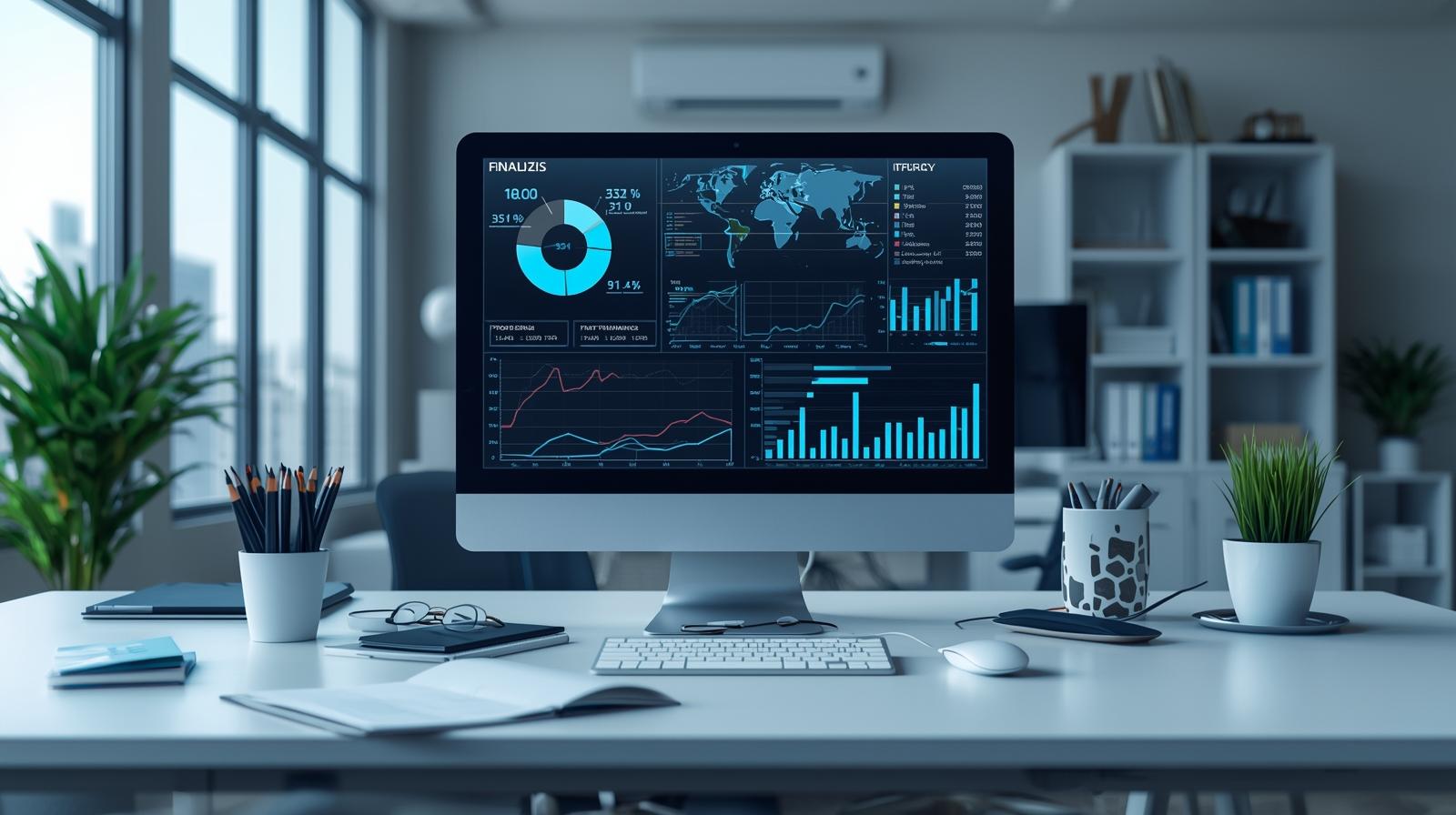
Real-Time Visibility
Look for platforms with advanced dashboards and live monitoring features.
Automation Features
Select tools that support automated incident response and workflow management.
Security and Compliance Support
Monitoring systems should align with cybersecurity and regulatory requirements.
User-Friendly Interface
Simple dashboards improve operational efficiency and usability.
A reliable platform helps organizations maintain better service quality and infrastructure performance.
Future Trends in Service Health Monitoring
The future of service health monitoring will continue evolving through automation and artificial intelligence.
AI-Powered Monitoring
Artificial intelligence will improve anomaly detection and predictive analytics.
Predictive Incident Prevention
Monitoring platforms will identify risks before outages occur.
Unified Monitoring Ecosystems
Organizations will consolidate operational and security monitoring into centralized solutions.
Advanced Cloud Observability
Monitoring tools will improve visibility across distributed cloud environments.
Autonomous Operations
Automation systems will resolve routine issues automatically.
Organizations adopting these innovations will improve agility and operational resilience.
Actionable Tips to Improve Service Health Monitoring
If you want to strengthen your service health monitoring strategy, consider these practical recommendations:
- Centralize monitoring across all infrastructure environments
- Automate alerting and incident escalation workflows
- Continuously review performance thresholds and alert rules
- Prioritize critical applications and services
- Integrate monitoring tools with ITSM platforms
- Conduct regular infrastructure and security audits
These strategies help organizations improve operational visibility and reduce downtime risks.
Frequently Asked Questions
Q1: What is service health monitoring?
Service health monitoring is the process of tracking the performance, availability, and reliability of IT services and infrastructure in real time.
Q2: Why is service health monitoring important?
It helps organizations detect issues early, reduce downtime, and maintain operational stability.
Q3: What systems can service health monitoring track?
Monitoring tools can track servers, applications, cloud environments, networks, endpoints, and databases.
Q4: How does automation improve service health monitoring?
Automation accelerates incident response, improves consistency, and reduces manual workloads.
Q5: Can small businesses benefit from service health monitoring?
Yes, businesses of all sizes benefit from improved visibility, faster issue resolution, and stronger operational reliability.
Final Thoughts
Service health monitoring is essential for organizations that want to maintain reliable, secure, and high-performing IT environments. By combining continuous visibility, intelligent alerting, and proactive monitoring, businesses can reduce downtime, improve cybersecurity, and enhance user experiences. For IT managers, cybersecurity professionals, and business leaders, investing in service health monitoring supports long-term operational resilience and digital transformation success. As cloud infrastructures and hybrid environments continue evolving, organizations that adopt advanced monitoring strategies will be better prepared to maintain performance, stability, and business continuity.
Elevate your IT management — start your complimentary ITarian trial


 Loading...