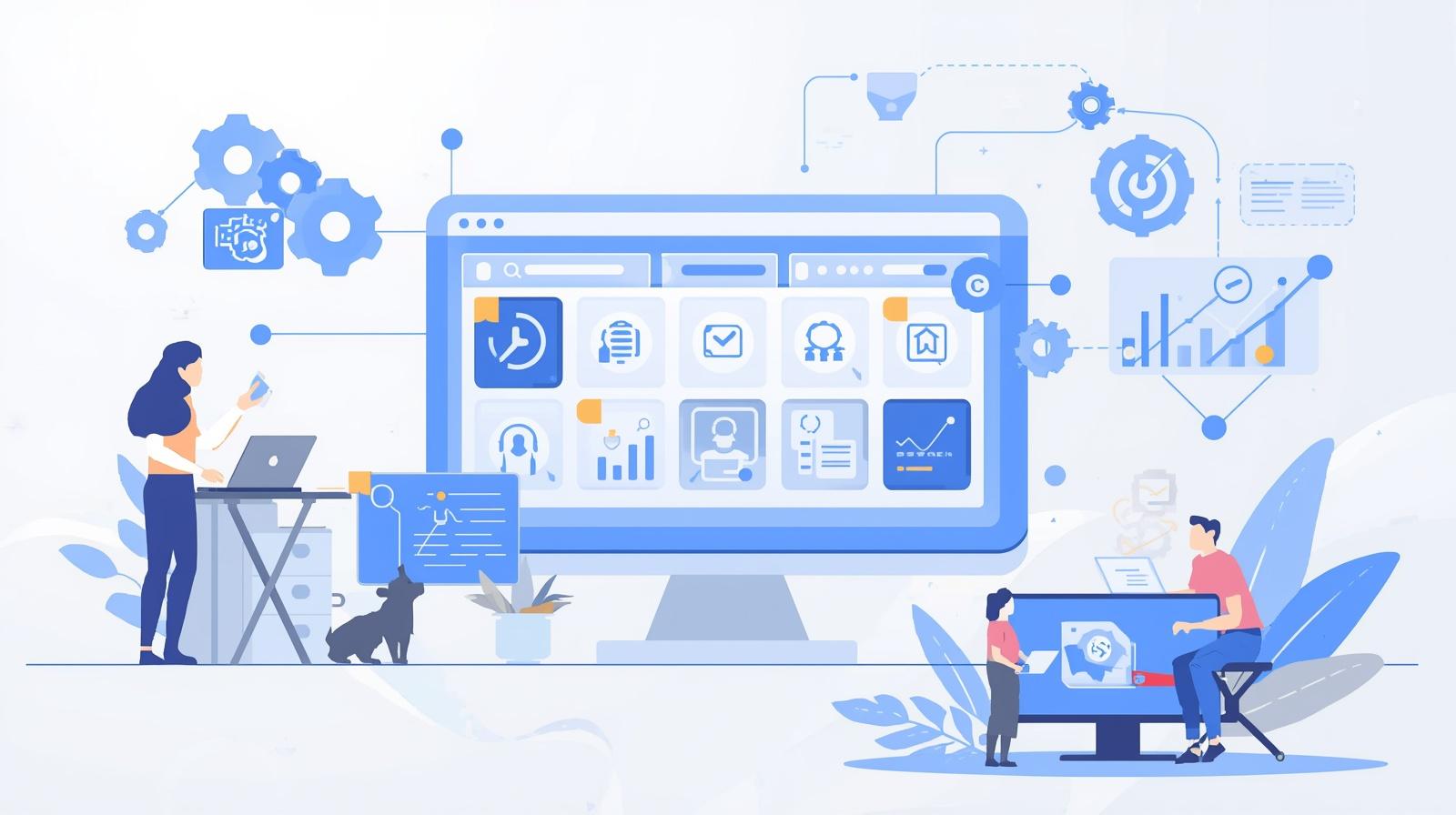
IT teams face growing pressure to manage complex infrastructures, strengthen cybersecurity, reduce operational costs, and support digital transformation initiatives. At the same time, organizations must respond quickly to changing business needs without overwhelming internal resources. This is where low code automation for IT is changing the way businesses manage technology operations. By allowing teams to automate workflows with minimal coding, organizations can streamline repetitive tasks, improve operational efficiency, and accelerate service delivery. Businesses increasingly rely on IT workflow automation, business process automation, no-code automation platforms, and IT service management tools to simplify operations and improve scalability. For IT managers, cybersecurity professionals, and business leaders, low code automation for IT provides a flexible and efficient way to modernize operations without requiring extensive software development expertise.
What is Low Code Automation for IT
Low code automation for IT refers to the use of visual development platforms and drag-and-drop tools to automate IT processes with minimal manual coding. These platforms help organizations create workflows, integrations, and operational automations quickly and efficiently.
Low code automation platforms are commonly used for:
- IT ticket automation
- Incident management workflows
- Endpoint management tasks
- Security policy enforcement
- Cloud operations automation
- Infrastructure monitoring processes
Instead of building complex scripts manually, teams can automate workflows using visual interfaces and prebuilt integrations.
Why Low Code Automation for IT Matters
Modern IT environments are increasingly complex, and manual processes can slow operations significantly.
Faster Workflow Automation
Organizations automate repetitive tasks without extensive development work.
Reduced Operational Costs
Automation decreases manual workloads and improves efficiency.
Improved Service Delivery
Teams resolve incidents and requests faster.
Enhanced Agility
Businesses adapt quickly to changing operational requirements.
Stronger Security and Compliance
Automated policies improve consistency and reduce human error.
For CEOs and founders, low code automation for IT supports innovation while improving operational scalability.
Core Features of Low Code Automation Platforms
Modern low code automation tools provide several important capabilities.
Visual Workflow Builders
Users create automation workflows through drag-and-drop interfaces.
Prebuilt Integrations
Platforms connect with IT management, cloud, and security systems.
Automated Incident Management
Organizations streamline issue detection and remediation.
Real-Time Monitoring and Alerts
Automation tools monitor operational events continuously.
Security Automation
Platforms automate compliance enforcement and access controls.
Reporting and Analytics
Organizations gain visibility into workflow performance and operational trends.
These features help businesses improve operational speed and consistency.
Benefits of Low Code Automation for IT
Organizations gain measurable advantages from adopting low code automation solutions.
Faster Process Execution
Automation accelerates routine IT workflows and approvals.
Reduced Manual Errors
Standardized workflows improve operational consistency.
Increased Productivity
IT teams spend less time on repetitive tasks.
Better Cross-Team Collaboration
Integrated workflows improve communication between departments.
Enhanced Scalability
Organizations manage growing infrastructures more efficiently.
Improved Cybersecurity Posture
Automated security workflows reduce response times and operational gaps.
For IT leaders, these benefits improve operational resilience and long-term efficiency.
Industries That Benefit from Low Code Automation for IT
Many industries rely on low code automation to improve operational efficiency and service delivery.
Healthcare
Healthcare organizations automate compliance workflows and IT support processes.
Finance
Financial institutions streamline security monitoring and incident response.
Retail
Retail businesses automate inventory systems and customer support operations.
Manufacturing
Manufacturers optimize infrastructure management and operational monitoring.
Education
Educational institutions simplify IT service management and onboarding processes.
These industries use automation to reduce operational bottlenecks and improve scalability.
Common IT Processes Automated with Low Code Platforms
Low code automation for IT supports a wide range of operational tasks.
IT Service Desk Automation
Automatically route and prioritize support tickets.
User Provisioning and Access Management
Simplify onboarding and role-based access workflows.
Endpoint Monitoring and Management
Automate patching, monitoring, and compliance enforcement.
Incident Response Automation
Accelerate remediation for operational and security issues.
Change Management Workflows
Standardize approvals and deployment processes.
Asset Management Automation
Track devices, software, and infrastructure resources efficiently.
These automations improve service quality while reducing operational complexity.
How Low Code Automation Improves Cybersecurity
Cybersecurity teams increasingly rely on automation to improve protection and response capabilities.
Faster Threat Response
Automated workflows reduce incident response times.
Improved Compliance Enforcement
Organizations automatically apply security policies consistently.
Reduced Human Error
Automation minimizes configuration mistakes and operational inconsistencies.
Better Security Monitoring
Integrated systems improve visibility across IT environments.
Stronger Endpoint Management
Automation helps enforce endpoint security standards continuously.
For cybersecurity professionals, low code automation improves operational efficiency while strengthening defensive capabilities.
Common Challenges in Low Code Automation for IT
Although low code platforms offer major advantages, organizations may encounter several challenges.
Integration Complexity
Some legacy systems may not integrate easily with automation platforms.
Workflow Sprawl
Uncontrolled automation can create operational confusion.
Security Risks
Improperly configured workflows may introduce vulnerabilities.
Governance Issues
Organizations need clear oversight for automation policies and permissions.
Scalability Concerns
Poorly designed workflows may struggle under growing operational demands.
Addressing these challenges requires strong governance and strategic planning.
Best Practices for Successful Low Code Automation
Organizations should follow proven strategies to maximize automation success.
Start with High-Impact Workflows
Automate repetitive and time-consuming processes first.
Establish Governance Policies
Define ownership, access controls, and workflow standards clearly.
Prioritize Security Integration
Ensure automation aligns with cybersecurity policies.
Centralize Monitoring and Reporting
Track workflow performance and operational metrics continuously.
Train IT Teams Properly
Provide staff with automation platform knowledge and best practices.
Review and Optimize Workflows Regularly
Update processes as operational requirements evolve.
These best practices improve operational consistency and long-term scalability.
Role of AI in Low Code Automation for IT
Artificial intelligence is expanding the capabilities of low code automation platforms significantly.
Predictive Analytics
AI identifies operational risks before failures occur.
Intelligent Workflow Recommendations
Systems suggest automation opportunities automatically.
Automated Decision-Making
AI-driven platforms optimize workflows dynamically.
Smart Incident Prioritization
Organizations respond faster to critical operational issues.
Enhanced Security Detection
AI improves anomaly detection and cybersecurity monitoring.
AI-powered automation helps organizations become more proactive and efficient.
Low Code Automation in Cloud and Hybrid Environments
Cloud adoption has accelerated the demand for automation across distributed infrastructures.
Multi-Cloud Workflow Automation
Organizations automate operations across multiple cloud providers.
Hybrid Infrastructure Management
Automation platforms support both cloud and on-premises environments.
Remote Workforce Support
Automated provisioning and support improve distributed operations.
Cloud Security Automation
Organizations enforce security and compliance policies automatically.
Dynamic Resource Scaling
Automation helps optimize cloud workloads and infrastructure usage.
Cloud and hybrid infrastructures increase the importance of scalable automation platforms.
Choosing the Right Low Code Automation Platform
Selecting the right platform is critical for operational success.
Ease of Use
Choose platforms with intuitive visual workflow builders.
Integration Support
Ensure compatibility with existing IT management and security tools.
Security Features
Look for platforms with strong identity management and compliance capabilities.
Scalability
Select solutions that support long-term business growth.
Automation Flexibility
Organizations should customize workflows to meet operational needs.
Analytics and Reporting
Comprehensive visibility improves operational optimization.
A scalable and secure platform helps organizations maximize automation value.
Future Trends in Low Code Automation for IT
Low code automation will continue evolving rapidly through AI and cloud innovation.
Hyperautomation
Organizations will combine AI, RPA, and low code automation into unified systems.
AI-Driven Workflow Optimization
Automation platforms will improve processes dynamically in real time.
Unified IT and Security Automation
Organizations will centralize operational and cybersecurity workflows.
Increased Citizen Development
Non-technical users will contribute more to automation initiatives.
Autonomous IT Operations
Automation systems will resolve operational issues independently.
Businesses that adopt these innovations will improve agility and operational resilience.
Actionable Tips to Improve Low Code Automation Strategies
If you want to strengthen your low code automation initiatives, consider these practical recommendations:
- Identify repetitive workflows suitable for automation
- Start with small pilot projects before scaling automation
- Integrate automation with ITSM and security platforms
- Establish governance and approval policies
- Continuously monitor workflow performance
- Train teams on automation best practices
These strategies help organizations improve operational efficiency and long-term scalability.
Frequently Asked Questions
Q1: What is low code automation for IT?
Low code automation for IT uses visual development platforms to automate workflows and IT operations with minimal coding.
Q2: Why is low code automation important for IT teams?
It improves efficiency, reduces manual workloads, and accelerates service delivery.
Q3: Can low code automation improve cybersecurity?
Yes, automation strengthens security monitoring, policy enforcement, and incident response capabilities.
Q4: What processes can organizations automate with low code platforms?
Businesses can automate ticketing, provisioning, endpoint management, incident response, and compliance workflows.
Q5: Is low code automation suitable for small businesses?
Yes, organizations of all sizes can benefit from faster workflows and improved operational efficiency.
Final Thoughts
Low code automation for IT is transforming how organizations manage operations, security, and service delivery. By reducing manual workloads and simplifying workflow automation, businesses can improve efficiency, strengthen cybersecurity, and support scalable growth. For IT managers, cybersecurity professionals, and business leaders, investing in low code automation provides a faster and more flexible path toward digital transformation. As cloud infrastructures and operational demands continue evolving, organizations that adopt intelligent automation strategies will be better positioned to maintain agility, resilience, and competitive advantage.
Elevate your IT management — start your complimentary ITarian trial


 Loading...