Modern IT Support Depends on a Reliable Help Desk Ticketing System
Updated on January 20, 2026, by ITarian
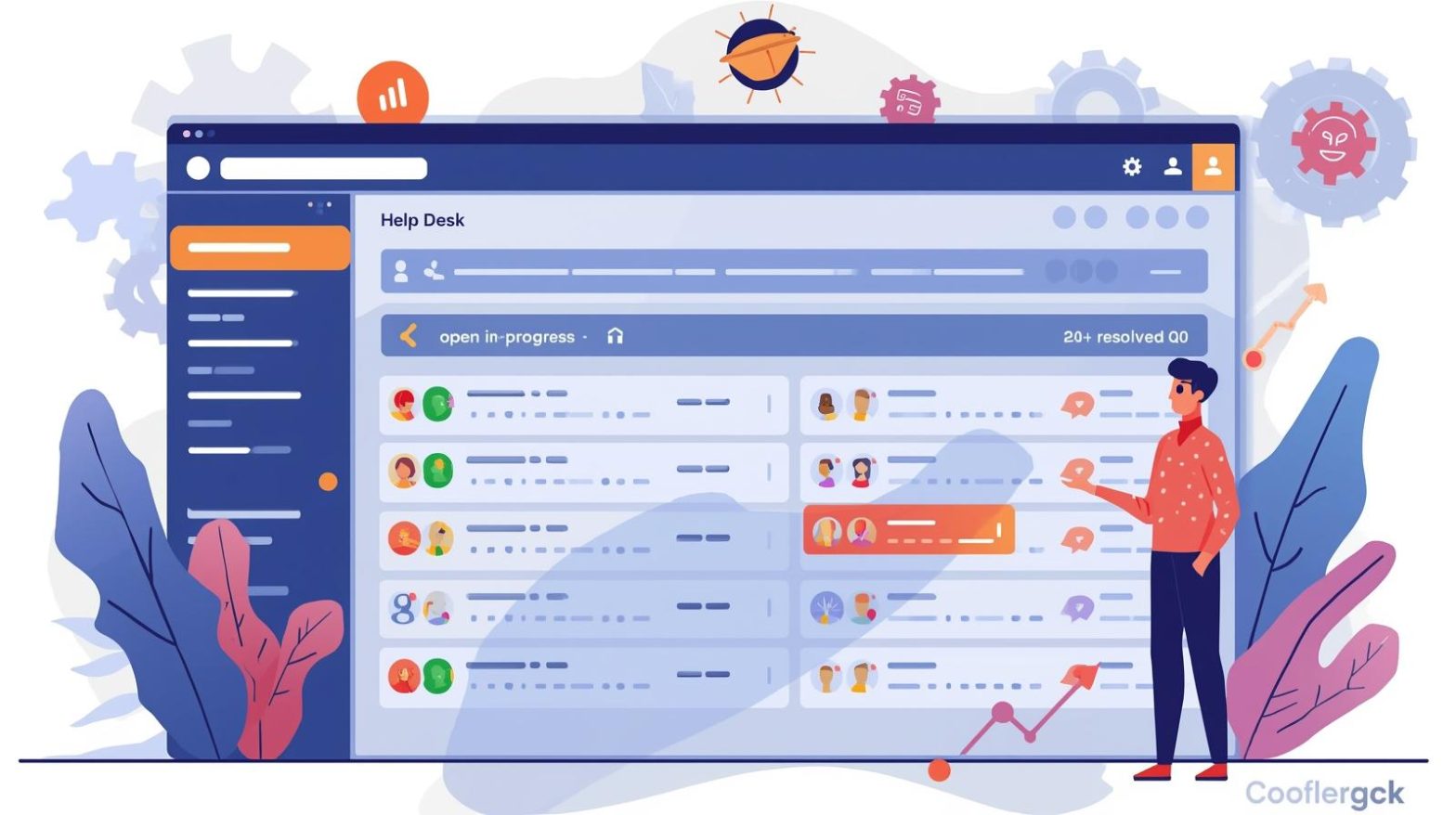
In today’s always-on digital environment, IT issues can disrupt productivity, security, and customer trust within minutes. Whether it is a password reset, a system outage, or a suspected security incident, organizations need a structured way to track, prioritize, and resolve requests. A help desk ticketing system provides that structure by centralizing support workflows and ensuring no request is missed. For IT managers, cybersecurity leaders, and executives, adopting the right help desk ticketing system is no longer optional but essential for operational resilience.
What Is a Help Desk Ticketing System
A help desk ticketing system is software that captures, organizes, and manages support requests submitted by users or customers. Each request becomes a ticket that includes details such as the issue description, priority level, status, and assigned technician. By using a help desk ticketing system, organizations gain visibility into support workloads, response times, and recurring problems. This structured approach replaces ad hoc emails or calls with a transparent and auditable process.
Why Businesses Rely on Help Desk Ticketing Systems
As organizations scale, informal support methods quickly break down. Emails get lost, requests are duplicated, and critical issues are overlooked. A help desk ticketing system eliminates these problems by acting as a single source of truth for all support activity. It helps IT teams maintain consistency, meet service-level expectations, and demonstrate accountability. For leadership, it provides insight into IT performance and resource allocation.
Core Components of a Help Desk Ticketing System
A modern help desk ticketing system includes several essential components that work together to streamline support operations. Ticket creation channels allow users to submit issues via email, portals, or chat. Categorization and prioritization features help teams focus on high-impact issues first. Automation rules route tickets to the right technicians and trigger alerts when deadlines approach. Reporting dashboards provide real-time and historical insights into support efficiency.
How a Help Desk Ticketing System Improves Productivity
Productivity improves when IT teams spend less time tracking requests and more time resolving them. A help desk ticketing system automates repetitive tasks such as ticket assignment, status updates, and notifications. Technicians can quickly see their workloads and access relevant information in one place. This reduces context switching and speeds up resolution times, benefiting both IT staff and end users.
Security Benefits of a Help Desk Ticketing System
From a cybersecurity perspective, a help desk ticketing system plays an important role in incident management. Security-related tickets can be flagged, prioritized, and escalated according to predefined workflows. Audit trails record who accessed or modified tickets, supporting compliance and forensic investigations. By centralizing communication, organizations reduce the risk of sensitive information being shared through unsecured channels.
Help Desk Ticketing System vs Traditional Support Methods
Traditional support methods such as shared inboxes or phone calls lack transparency and scalability. A help desk ticketing system provides structure that manual approaches cannot match. Tickets ensure accountability, prevent duplication of effort, and enable performance tracking. Compared to informal methods, a help desk ticketing system offers measurable improvements in response time, resolution quality, and user satisfaction.
Key Features to Look for in a Help Desk Ticketing System
Choosing the right help desk ticketing system requires careful evaluation of features aligned with organizational needs. Important capabilities include customizable workflows, role-based access control, and integration with other IT tools. Knowledge base functionality empowers users to resolve common issues independently. Mobile access ensures technicians can respond quickly even when away from their desks.
Common features to prioritize include:
-
Multi-channel ticket submission
-
Automated ticket routing and escalation
-
SLA tracking and alerts
-
Detailed reporting and analytics
-
Secure access controls and audit logs
Supporting IT Managers and Decision Makers
For IT managers, a help desk ticketing system provides visibility into team performance and workload distribution. Metrics such as first response time, resolution time, and ticket backlog highlight areas for improvement. Executives benefit from high-level dashboards that link IT support performance to business outcomes. This data-driven approach supports informed decision-making and strategic planning.
Enhancing User Experience With a Help Desk Ticketing System
User satisfaction depends on clear communication and timely resolution. A help desk ticketing system keeps users informed through automated updates and transparent status tracking. Self-service portals allow users to submit and monitor tickets easily. When users feel heard and supported, trust in IT services increases across the organization.
Integrating a Help Desk Ticketing System With IT Operations
A help desk ticketing system becomes even more powerful when integrated with other IT management tools. Integration with asset management links tickets to specific devices or software. Endpoint management integration allows technicians to take action directly from tickets. Security tools can automatically generate tickets for detected threats, ensuring rapid response.
Best Practices for Implementing a Help Desk Ticketing System
Successful implementation requires more than installing software. Organizations should define clear processes for ticket categorization, prioritization, and escalation. Training ensures users and technicians understand how to use the help desk ticketing system effectively. Regular reviews of workflows and metrics help refine operations as needs evolve.
Recommended best practices include:
-
Establishing clear SLA definitions
-
Limiting ticket categories to avoid complexity
-
Reviewing reports regularly to identify trends
-
Updating knowledge base content continuously
Scaling With a Help Desk Ticketing System
As organizations grow, support demands increase in volume and complexity. A scalable help desk ticketing system adapts to growth by supporting additional users, technicians, and locations. Automation reduces the need for manual oversight, while reporting highlights capacity constraints. This scalability ensures consistent support quality even as operations expand.
Compliance and Governance Considerations
Many industries face regulatory requirements related to data handling and incident response. A help desk ticketing system supports compliance by maintaining detailed records of support activities. Access controls restrict who can view or modify sensitive tickets. Audit logs and reports provide evidence during compliance reviews, reducing risk and administrative burden.
Common Challenges and How to Overcome Them
Organizations may encounter challenges such as user resistance or poorly defined workflows when adopting a help desk ticketing system. Clear communication about benefits helps drive adoption. Starting with simple workflows and refining them over time prevents complexity. Leadership support reinforces the importance of using the system consistently.
The Future of Help Desk Ticketing Systems
Help desk ticketing systems continue to evolve alongside advances in automation and analytics. Artificial intelligence is increasingly used to categorize tickets, suggest solutions, and predict trends. Integration with broader IT service management platforms is becoming standard. Organizations that invest in modern help desk ticketing systems position themselves for more proactive and resilient IT support.
FAQs
-
What is the main purpose of a help desk ticketing system
The main purpose is to track, manage, and resolve support requests efficiently through a centralized platform. -
Can a help desk ticketing system improve cybersecurity
Yes, it helps manage security incidents, maintain audit trails, and enforce controlled communication channels. -
Is a help desk ticketing system suitable for small businesses
Absolutely, many solutions are designed to scale and provide immediate value to small and growing teams. -
How does a help desk ticketing system support compliance
It records all actions, controls access to sensitive data, and generates reports needed for audits. -
What metrics should be tracked in a help desk ticketing system
Common metrics include response time, resolution time, ticket volume, and user satisfaction.
Final Thoughts
A help desk ticketing system is a cornerstone of effective IT support and operational security. By centralizing requests, automating workflows, and providing actionable insights, it empowers IT teams to deliver consistent and high-quality service. For organizations focused on productivity, security, and growth, investing in the right help desk ticketing system is a strategic decision that pays long-term dividends.

 Loading...