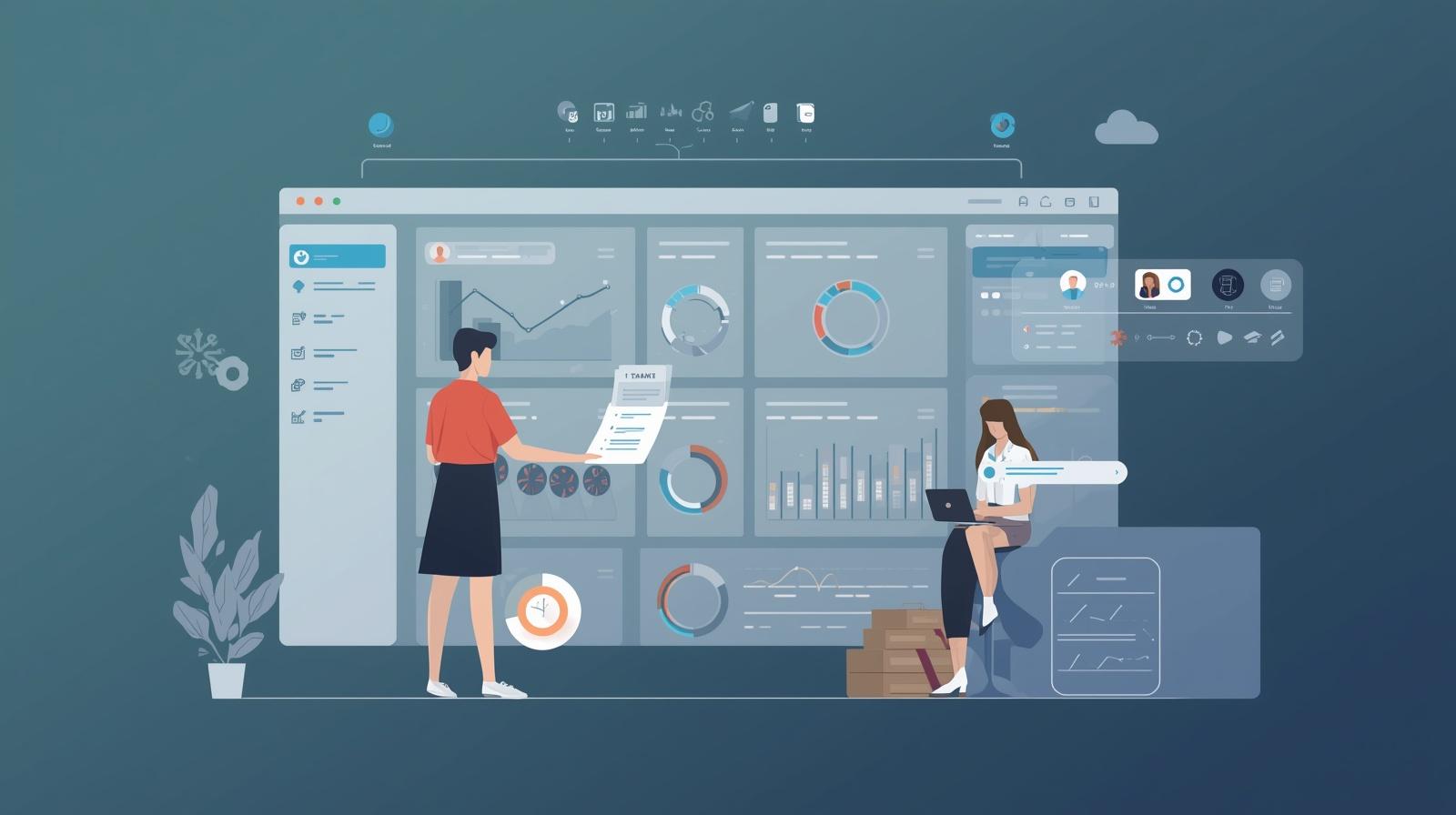
What would happen if your organization failed a compliance audit tomorrow? For many businesses, the consequences can include fines, reputational damage, and operational disruption. This is why a compliance management platform has become essential in today’s digital environment. As regulations grow stricter and cyber threats evolve, organizations must continuously monitor, manage, and enforce compliance across their IT systems. For IT managers, cybersecurity professionals, and business leaders, a compliance management platform offers a centralized, efficient, and scalable way to stay compliant while reducing risk and improving operational control.
What is a Compliance Management Platform
A compliance management platform is a centralized solution that helps organizations manage regulatory requirements, enforce policies, and monitor compliance across systems and processes. It automates compliance tracking and simplifies audit readiness.
Instead of relying on manual processes, organizations use compliance tools to ensure consistent enforcement of standards such as GDPR, HIPAA, ISO, and SOC 2. This reduces errors and improves efficiency.
Key functions of a compliance management platform include:
- Policy creation and enforcement
- Risk and compliance tracking
- Audit preparation and reporting
- Real-time monitoring
- Incident management
For organizations handling sensitive data, a compliance management platform is critical for maintaining trust and security.
Why a Compliance Management Platform Matters Today
Modern IT environments are complex, and compliance requirements are constantly evolving.
Increasing Regulatory Pressure
Organizations must comply with multiple standards and regulations across industries.
Rising Cybersecurity Threats
Compliance is closely tied to strong security practices.
Complex IT Environments
Cloud computing, remote work, and IoT devices add new compliance challenges.
Need for Real-Time Monitoring
Continuous compliance requires ongoing visibility into systems and processes.
Business Reputation
Non-compliance can damage trust and brand reputation.
For CEOs and founders, investing in a compliance management platform ensures long-term stability and credibility.
Core Features of a Compliance Management Platform
To deliver maximum value, a compliance management platform must include essential features.
Policy Management
Create, enforce, and update compliance policies across systems.
Risk Assessment
Identify and evaluate risks associated with non-compliance.
Audit Management
Prepare for audits with automated reporting and documentation.
Real-Time Monitoring
Continuously track compliance status across all endpoints and systems.
Incident Management
Detect and respond to compliance violations.
These features help organizations maintain consistent compliance across environments.
Benefits of a Compliance Management Platform Across Industries
A compliance management platform delivers value across multiple sectors.
Healthcare
- Ensures compliance with HIPAA and patient data protection
- Reduces risk of data breaches
- Improves audit readiness
Finance
- Supports regulatory requirements
- Enhances fraud detection
- Strengthens risk management
Retail
- Protects customer data
- Ensures secure transactions
- Maintains compliance with payment standards
Manufacturing
- Ensures compliance with safety and operational standards
- Reduces risks in production environments
- Improves efficiency
Education
- Protects student data
- Supports compliance with privacy regulations
- Enhances system security
For IT leaders, these benefits ensure secure and compliant operations.
Common Challenges in Compliance Management
Despite its importance, organizations often face challenges in managing compliance.
Manual Processes
Manual tracking increases the risk of errors and inefficiencies.
Data Silos
Compliance data may be scattered across different systems.
Changing Regulations
Keeping up with evolving standards can be difficult.
Lack of Visibility
Limited insight into compliance status can lead to risks.
Resource Constraints
Managing compliance requires time and expertise.
A compliance management platform helps overcome these challenges by centralizing and automating processes.
Best Practices for Effective Compliance Management
To maximize the value of a compliance management platform, organizations should follow best practices.
Define Clear Policies
Establish comprehensive compliance guidelines aligned with regulations.
Automate Monitoring
Use automation to track compliance in real time.
Conduct Regular Audits
Perform audits to identify gaps and improve processes.
Integrate Systems
Ensure seamless integration with existing IT tools.
Train Employees
Educate staff on compliance requirements and responsibilities.
Continuously Update Policies
Adapt to changes in regulations and threats.
These practices help build a strong compliance framework.
Role of Automation in Compliance Management Platforms
Automation is a key component of modern compliance platforms. It improves efficiency and accuracy.
Key benefits include:
- Automated policy enforcement
- Real-time compliance tracking
- Faster audit preparation
- Reduced human error
- Improved scalability
Automation allows organizations to maintain compliance without increasing workload.
How to Choose the Right Compliance Management Platform
Selecting the right platform is critical for success. Consider the following factors:
Scalability
Ensure the platform can grow with your organization.
Integration Capabilities
Choose tools that integrate with existing systems.
Ease of Use
Select platforms with user-friendly interfaces.
Security Features
Look for advanced security and compliance capabilities.
Customization
Ensure the platform can be tailored to your needs.
A well-chosen compliance management platform can significantly improve governance and security.
How to Implement a Compliance Management Platform Successfully
A structured approach ensures effective implementation.
Step 1: Assess Current Compliance Status
Evaluate existing processes and identify gaps.
Step 2: Define Objectives
Set clear goals for compliance management.
Step 3: Select the Right Platform
Choose a solution that meets your requirements.
Step 4: Configure Policies
Set up compliance policies and workflows.
Step 5: Monitor and Report
Track compliance status and generate reports.
Step 6: Optimize Continuously
Refine strategies based on feedback and performance data.
Following these steps helps organizations build a strong compliance strategy.
Future Trends in Compliance Management Platforms
The future of compliance management is shaped by technological advancements.
AI-Driven Compliance
Artificial intelligence enhances risk assessment and monitoring.
Cloud-Based Solutions
Cloud platforms offer scalability and flexibility.
Integration with Cybersecurity Tools
Compliance platforms are becoming more integrated with security systems.
Real-Time Analytics
Advanced analytics provide instant insights into compliance status.
Focus on Continuous Compliance
Organizations are moving toward ongoing compliance rather than periodic checks.
Staying ahead of these trends helps organizations remain competitive.
Actionable Tips to Improve Compliance Management
If you want to enhance your compliance strategy, consider these practical tips:
- Centralize compliance data
- Automate monitoring and reporting
- Regularly update policies
- Train employees on compliance practices
- Use analytics to identify risks
- Continuously refine processes
These steps help ensure effective and efficient compliance management.
Frequently Asked Questions
Q1: What is a compliance management platform?
A compliance management platform helps organizations manage and enforce regulatory requirements across systems.
Q2: Why is compliance management important?
It ensures adherence to regulations, reduces risk, and protects business reputation.
Q3: What features should I look for?
Look for automation, monitoring, reporting, and integration capabilities.
Q4: Can small businesses use compliance platforms?
Yes, they can be scaled to fit organizations of all sizes.
Q5: How does automation improve compliance management?
Automation improves accuracy, reduces manual effort, and enables real-time monitoring.
Final Thoughts
A compliance management platform is essential for organizations navigating today’s complex regulatory landscape. By centralizing processes, automating tasks, and providing real-time visibility, it helps businesses maintain compliance, reduce risk, and improve efficiency. For IT managers, cybersecurity professionals, and business leaders, investing in the right platform is a strategic move that supports long-term growth and resilience. As regulations continue to evolve, organizations that adopt advanced compliance management solutions will be better equipped to stay secure and competitive.


 Loading...