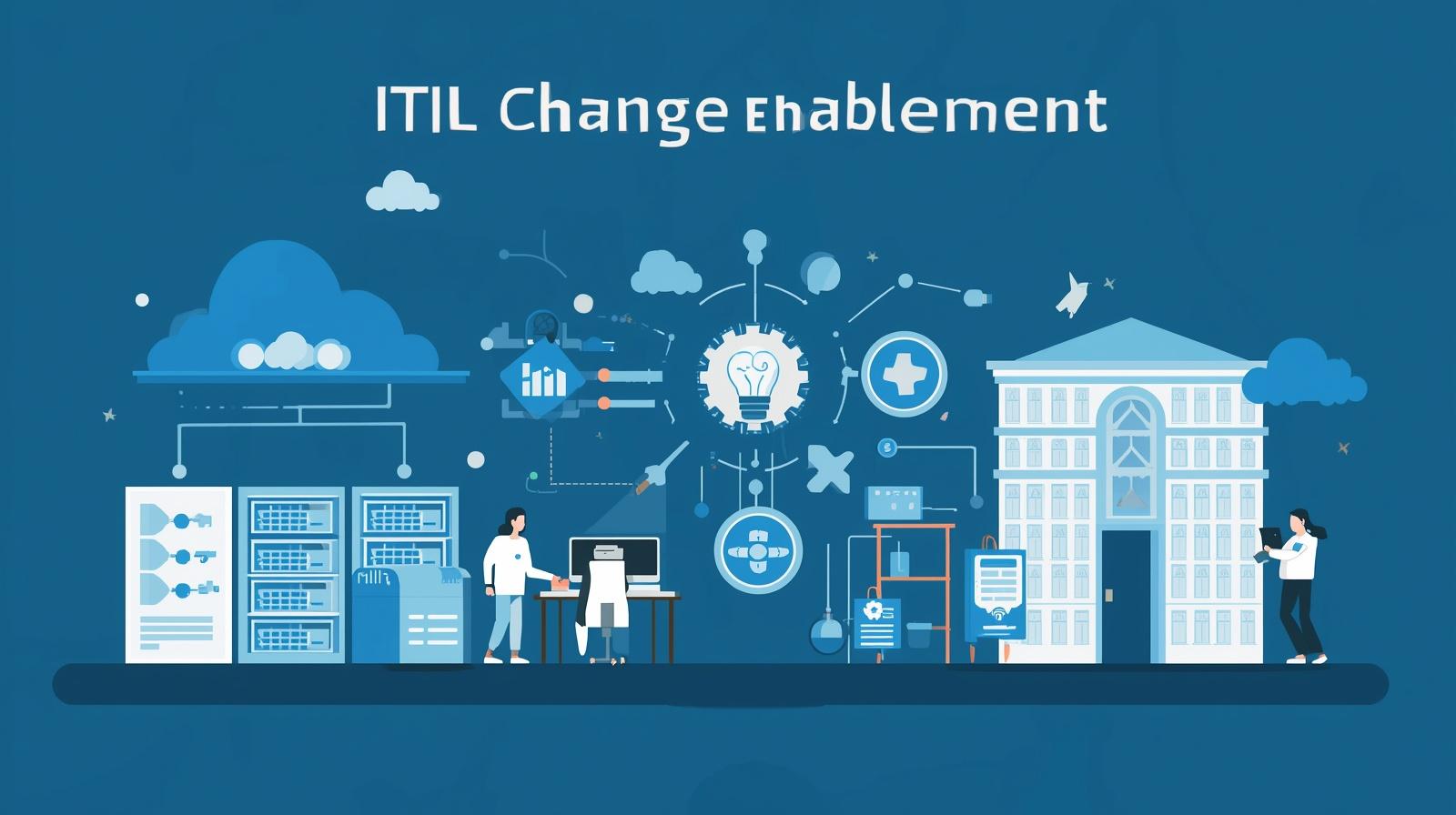
Every IT environment evolves constantly. New updates, patches, and system changes are necessary to keep operations running smoothly. However, poorly managed changes can lead to downtime, security gaps, and operational disruptions. This is where ITIL change enablement becomes essential. By providing a structured approach to managing changes, organizations can reduce risks while improving agility. For IT managers, cybersecurity professionals, and business leaders, ITIL change enablement ensures that every change is controlled, efficient, and aligned with business goals.
What is ITIL Change Enablement
ITIL change enablement is a process within the ITIL framework that focuses on managing changes to IT systems in a controlled and efficient way. It replaces the traditional concept of change management by emphasizing flexibility and speed without compromising risk control.
Organizations use IT service management (ITSM) platforms, change management tools, workflow automation software, and IT governance solutions to implement ITIL change enablement effectively.
Key objectives include:
- Minimizing risk associated with changes
- Ensuring successful implementation of changes
- Maintaining service stability
- Improving speed and efficiency
- Supporting continuous improvement
With ITIL change enablement, organizations can balance innovation with stability.
Why ITIL Change Enablement Matters in Modern IT
Modern IT environments demand rapid changes, but they also require strong control mechanisms.
Increasing Change Frequency
Frequent updates and deployments require structured processes.
Risk of Service Disruption
Uncontrolled changes can cause outages and performance issues.
Cybersecurity Concerns
Changes can introduce vulnerabilities if not managed properly.
Compliance Requirements
Organizations must document and track changes for audits.
Need for Agility
Businesses require faster delivery of IT services.
For CEOs and founders, ITIL change enablement ensures that innovation does not compromise operational stability.
Core Components of ITIL Change Enablement
To implement ITIL change enablement effectively, organizations must focus on key components.
Change Identification
Recognize and document the need for a change.
Change Assessment
Evaluate the impact, risk, and resources required.
Change Approval
Authorize changes based on predefined criteria.
Change Implementation
Execute changes in a controlled manner.
Change Review
Assess outcomes and identify improvements.
Continuous Monitoring
Track performance and ensure stability after changes.
These components create a structured and efficient change process.
Types of Changes in ITIL Change Enablement
Understanding different types of changes helps organizations manage them effectively.
Standard Changes
Pre-approved, low-risk changes with predefined procedures.
Normal Changes
Require assessment and approval before implementation.
Emergency Changes
Implemented quickly to resolve critical issues.
Each type of change follows specific workflows to ensure efficiency and control.
Benefits of ITIL Change Enablement Across Industries
ITIL change enablement provides value across various sectors.
Healthcare
- Ensures system stability for critical operations
- Protects patient data
- Supports compliance
Finance
- Secures financial systems
- Reduces risk of disruptions
- Enhances regulatory compliance
Retail
- Improves system reliability
- Reduces downtime
- Enhances customer experience
Manufacturing
- Maintains operational continuity
- Prevents disruptions
- Improves efficiency
Education
- Supports digital platforms
- Enhances accessibility
- Improves system performance
For IT leaders, these benefits ensure consistent and reliable service delivery.
Common Challenges in ITIL Change Enablement
Despite its advantages, organizations often face challenges when implementing ITIL change enablement.
Resistance to Change
Teams may resist adopting new processes.
Lack of Standardization
Inconsistent workflows can create confusion.
Limited Visibility
Teams may lack insight into change impacts.
Resource Constraints
Managing changes requires time and expertise.
Integration Issues
Tools must work seamlessly with existing systems.
Addressing these challenges requires strong leadership and the right technology.
Best Practices for Effective ITIL Change Enablement
To maximize the benefits of ITIL change enablement, organizations should follow best practices.
Standardize Change Processes
Create clear workflows for all types of changes.
Automate Approval Workflows
Reduce delays and improve efficiency.
Monitor Change Impact
Track performance before and after implementation.
Maintain Clear Documentation
Ensure all changes are recorded and traceable.
Train IT Teams
Ensure staff understand processes and tools.
Continuously Improve
Refine processes based on feedback and data.
These practices help create a reliable and efficient change management strategy.
Role of Automation in ITIL Change Enablement
Automation plays a critical role in improving ITIL change enablement. It enhances efficiency and reduces manual effort.
Key benefits include:
- Automated change approvals
- Faster implementation of standard changes
- Reduced human error
- Improved scalability
- Consistent execution of processes
Automation enables organizations to manage changes more effectively and respond quickly to business needs.
How to Choose the Right ITIL Change Enablement Tools
Selecting the right tools is essential for success. Consider the following factors:
Integration Capabilities
Ensure tools integrate with existing IT systems.
Scalability
Choose solutions that grow with your organization.
Ease of Use
Select platforms with intuitive interfaces.
Automation Features
Look for tools that support workflow automation.
Reporting Capabilities
Ensure tools provide actionable insights.
A well-integrated toolset significantly improves change management efficiency.
How to Implement ITIL Change Enablement Successfully
A structured approach ensures effective implementation.
Step 1: Assess Current Processes
Identify gaps and inefficiencies in existing workflows.
Step 2: Define Objectives
Set clear goals for change management improvements.
Step 3: Select the Right Tools
Choose platforms that support automation and monitoring.
Step 4: Configure Workflows
Set up processes for different types of changes.
Step 5: Train Teams
Ensure staff understand new tools and processes.
Step 6: Monitor and Optimize
Continuously refine strategies based on insights.
Following these steps helps organizations build a strong change enablement framework.
Future Trends in ITIL Change Enablement
The future of change enablement is driven by innovation and advanced technologies.
AI-Driven Change Management
Artificial intelligence enhances risk assessment and decision-making.
DevOps Integration
Closer alignment with development teams improves agility.
Cloud-Based ITSM Platforms
Cloud solutions offer scalability and flexibility.
Real-Time Analytics
Advanced analytics provide instant insights into change impact.
Automated Risk Assessment
Systems automatically evaluate risks before implementation.
Staying ahead of these trends helps organizations remain competitive.
Actionable Tips to Improve ITIL Change Enablement
If you want to enhance your change management strategy, consider these practical tips:
- Standardize change workflows
- Automate approval processes
- Monitor change impact regularly
- Train your IT team
- Integrate tools into a single platform
- Continuously refine processes
These steps help ensure efficient and effective change enablement.
Frequently Asked Questions
Q1: What is ITIL change enablement?
ITIL change enablement is a process that manages IT changes to minimize risk and improve efficiency.
Q2: Why is ITIL change enablement important?
It ensures controlled changes, reduces disruptions, and improves service delivery.
Q3: What tools support ITIL change enablement?
Tools include ITSM platforms, workflow automation software, and change management solutions.
Q4: Can small businesses benefit from ITIL change enablement?
Yes, it helps organizations of all sizes manage changes effectively.
Q5: How does automation improve change enablement?
Automation speeds up processes, reduces errors, and ensures consistency.
Final Thoughts
ITIL change enablement is essential for organizations looking to manage IT changes efficiently while minimizing risk. By adopting structured processes, leveraging automation, and continuously improving workflows, businesses can achieve greater agility and stability. For IT managers, cybersecurity professionals, and business leaders, investing in ITIL change enablement is a strategic move that supports innovation and long-term success. As IT environments continue to evolve, organizations that prioritize effective change management will be better equipped to handle challenges and drive growth.
Move your operations forward — get started with your free ITarian trial

 Loading...