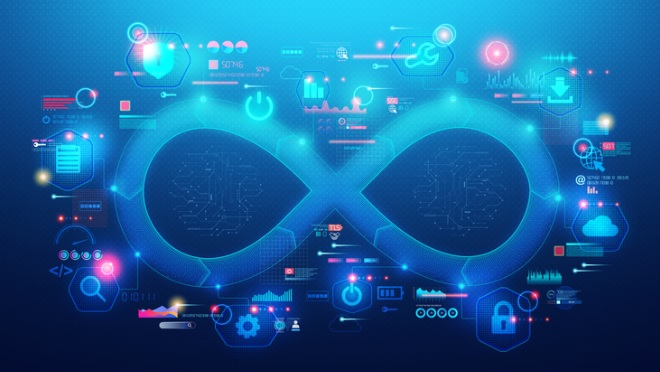
Managing IT systems across multiple environments can quickly become overwhelming. Without a unified view, teams struggle to detect issues, respond to threats, and maintain performance. This is where a centralized monitoring dashboard becomes essential. By bringing all system data into a single interface, organizations can monitor performance, security, and operations in real time. For IT managers, cybersecurity professionals, and business leaders, a centralized monitoring dashboard provides the clarity and control needed to keep modern IT environments running smoothly and securely.
What is a Centralized Monitoring Dashboard
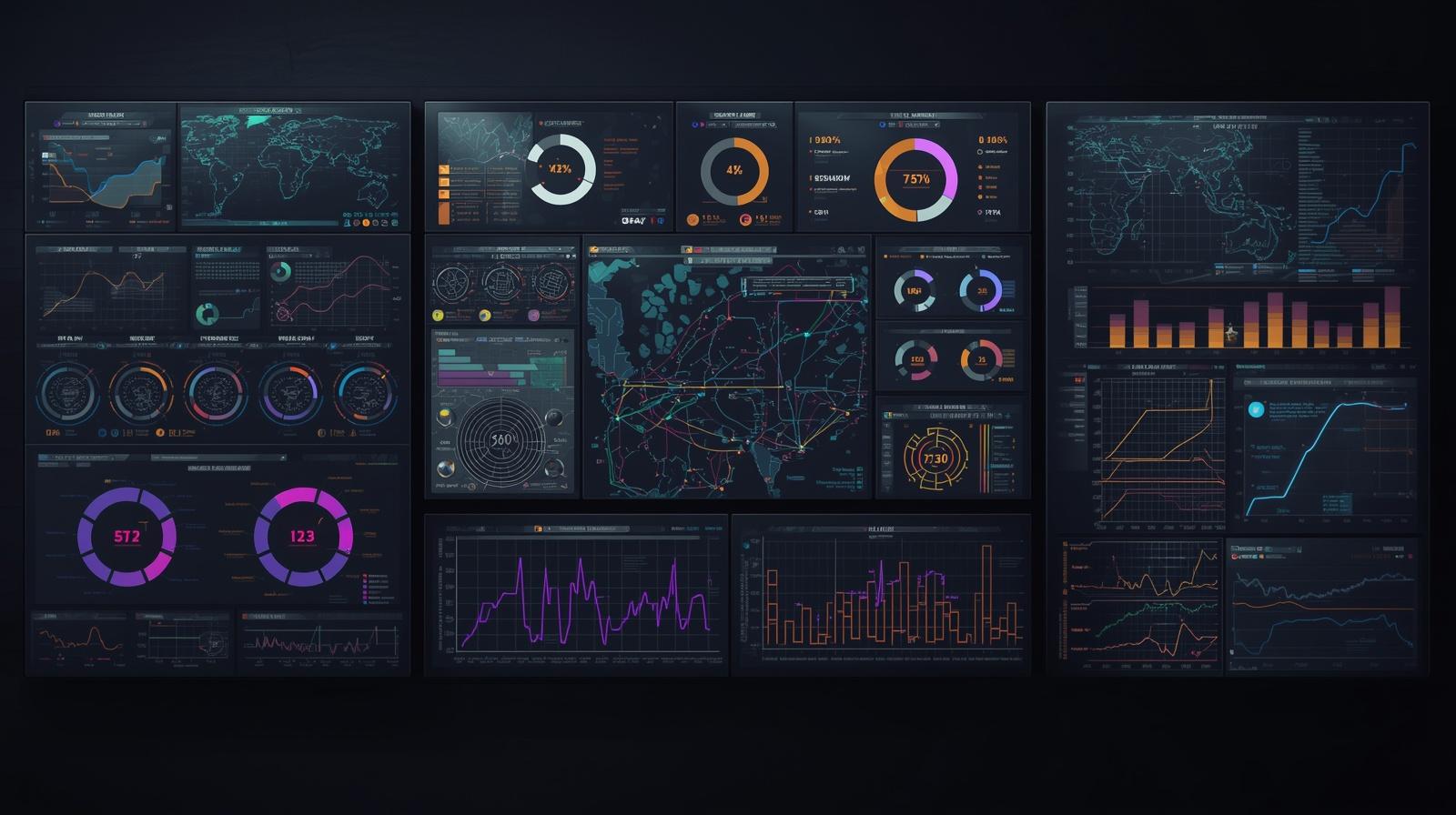
A centralized monitoring dashboard is a unified interface that displays real-time data from various IT systems, networks, and applications. It consolidates information from multiple sources into a single, easy-to-understand view.
Using network monitoring tools, IT infrastructure monitoring software, and real-time monitoring solutions, organizations can track system performance, detect anomalies, and respond to issues quickly.
Key features include:
- Real-time data visualization
- Alerts and notifications
- Performance metrics tracking
- Integration with multiple systems
- Customizable dashboards
With a centralized monitoring dashboard, organizations eliminate data silos and gain actionable insights.
Why a Centralized Monitoring Dashboard Matters in Modern IT
Modern IT environments are complex, with cloud services, remote work, and distributed systems increasing the need for visibility.
Improved Visibility
A centralized dashboard provides a complete view of IT operations.
Faster Issue Detection
Real-time monitoring helps identify problems before they escalate.
Enhanced Security
Unusual patterns can signal potential threats.
Better Decision-Making
Data-driven insights support strategic planning.
Increased Efficiency
Centralized monitoring reduces the need to switch between tools.
For CEOs and founders, a centralized monitoring dashboard ensures that IT operations align with business objectives and performance goals.
Core Features of a Centralized Monitoring Dashboard
To deliver maximum value, a centralized monitoring dashboard must include essential features.
Real-Time Monitoring
Track system performance and activity continuously.
Data Visualization
Use charts and graphs to present complex data clearly.
Alerting and Notifications
Receive alerts for critical events and issues.
Customization
Tailor dashboards to specific roles and requirements.
Integration Capabilities
Connect with various IT tools and platforms.
Reporting and Analytics
Generate insights to improve performance and efficiency.
These features help organizations maintain control over their IT environments.
Benefits of a Centralized Monitoring Dashboard Across Industries
A centralized monitoring dashboard delivers value across multiple sectors.
Healthcare
- Monitors critical systems
- Ensures uptime for patient care
- Enhances compliance
Finance
- Tracks transaction systems
- Improves security
- Supports regulatory compliance
Retail
- Monitors point-of-sale systems
- Reduces downtime
- Improves customer experience
Manufacturing
- Tracks production systems
- Prevents disruptions
- Enhances efficiency
Education
- Supports digital learning platforms
- Improves accessibility
- Enhances performance
For IT leaders, these benefits ensure stable and efficient operations.
Common Challenges Without a Centralized Monitoring Dashboard
Organizations that lack a centralized monitoring dashboard often face several issues.
Data Silos
Information is scattered across multiple tools.
Slow Response Times
Delayed issue detection leads to downtime.
Limited Visibility
Teams lack a complete view of system performance.
Increased Risk
Security threats may go unnoticed.
Inefficient Workflows
Managing multiple tools increases complexity.
These challenges highlight the importance of centralized monitoring.
Best Practices for Using a Centralized Monitoring Dashboard
To maximize the benefits of a centralized monitoring dashboard, organizations should follow best practices.
Customize Dashboards
Tailor views for different roles and responsibilities.
Set Clear Alert Thresholds
Reduce false alerts and improve response accuracy.
Monitor Key Metrics
Focus on critical performance indicators.
Integrate Systems
Ensure all relevant tools are connected to the dashboard.
Train IT Teams
Ensure staff understand how to use the dashboard effectively.
Continuously Optimize
Refine monitoring strategies based on data insights.
These practices help create a reliable monitoring framework.
Role of Automation in a Centralized Monitoring Dashboard
Automation enhances centralized monitoring dashboards by improving efficiency and responsiveness.
Key benefits include:
- Automated alerts and responses
- Real-time anomaly detection
- Faster issue resolution
- Reduced manual effort
- Improved scalability
Automation ensures consistent monitoring and rapid response to issues.
How to Choose the Right Centralized Monitoring Dashboard
Selecting the right solution is critical for success. Consider the following factors:
Scalability
Ensure the dashboard can handle growing IT environments.
Integration Capabilities
Choose tools that integrate with existing systems.
Ease of Use
Select platforms with intuitive interfaces.
Customization Options
Ensure dashboards can be tailored to specific needs.
Security Features
Look for strong security and compliance capabilities.
A well-chosen dashboard can significantly improve IT operations.
How to Implement a Centralized Monitoring Dashboard Successfully
A structured approach ensures effective implementation.
Step 1: Assess Monitoring Needs
Identify systems and metrics to be monitored.
Step 2: Define Objectives
Set clear goals for performance and security.
Step 3: Select the Right Tools
Choose platforms that meet your requirements.
Step 4: Configure Dashboards
Set up views, alerts, and integrations.
Step 5: Train Teams
Ensure staff understand how to use the dashboard.
Step 6: Monitor and Optimize
Continuously refine monitoring strategies.
Following these steps helps organizations build a strong monitoring framework.
Future Trends in Centralized Monitoring Dashboards
The future of monitoring dashboards is evolving rapidly.
AI-Driven Monitoring
Artificial intelligence enhances anomaly detection and predictive analysis.
Cloud-Based Dashboards
Cloud platforms offer scalability and flexibility.
Integration with Security Tools
Dashboards are becoming more integrated with cybersecurity systems.
Real-Time Analytics
Advanced analytics provide instant insights into performance.
Self-Healing Systems
Automated systems detect and resolve issues without human intervention.
Staying ahead of these trends helps organizations remain competitive.
Actionable Tips to Improve Centralized Monitoring Dashboard Usage
If you want to enhance your monitoring strategy, consider these practical tips:
- Focus on critical systems
- Use automation for alerts
- Regularly review performance metrics
- Train your IT team
- Integrate all monitoring tools
- Continuously refine dashboards
These steps help ensure efficient and effective monitoring.
Frequently Asked Questions
Q1: What is a centralized monitoring dashboard?
A centralized monitoring dashboard is a tool that provides a unified view of IT systems and performance metrics.
Q2: Why is it important?
It improves visibility, enhances security, and enables faster issue detection.
Q3: What features should I look for?
Look for real-time monitoring, alerts, customization, and integration capabilities.
Q4: Can small businesses use monitoring dashboards?
Yes, they can be scaled to fit organizations of all sizes.
Q5: How does automation improve monitoring dashboards?
Automation enables faster detection, response, and improved efficiency.
Final Thoughts
A centralized monitoring dashboard is a powerful tool for organizations looking to gain full visibility into their IT environments. By consolidating data, improving monitoring, and enabling proactive management, it helps businesses maintain performance, enhance security, and reduce downtime. For IT managers, cybersecurity professionals, and business leaders, investing in a centralized monitoring dashboard is a strategic step toward achieving operational excellence. As IT environments continue to grow in complexity, organizations that embrace centralized monitoring will be better equipped to handle challenges and drive long-term success.
Move your operations forward — get started with your free ITarian trial

 Loading...