When organizations discuss modern IT operations, remote access, and device security, one question comes up often: what is RMM software, and why does it matter so much today? In the first hundred words, it’s helpful to clarify that RMM software—short for Remote Monitoring and Management—is a core tool used by IT teams and managed service providers (MSPs) to monitor endpoints, automate tasks, deploy patches, and manage devices from anywhere. The rise of hybrid work, cloud adoption, cybersecurity threats, and distributed environments has made RMM software essential for maintaining reliable, secure, and efficient IT systems.
As environments scale and organizations rely more on remote endpoints, RMM software acts as a central command system, allowing IT teams to resolve issues quickly, automate maintenance, and keep networks safe. Whether you’re part of an internal IT department, an MSP, or a leadership team evaluating technology investments, understanding what RMM software is—and how it strengthens security and performance—is crucial.
What RMM Software Means in Today’s IT Landscape
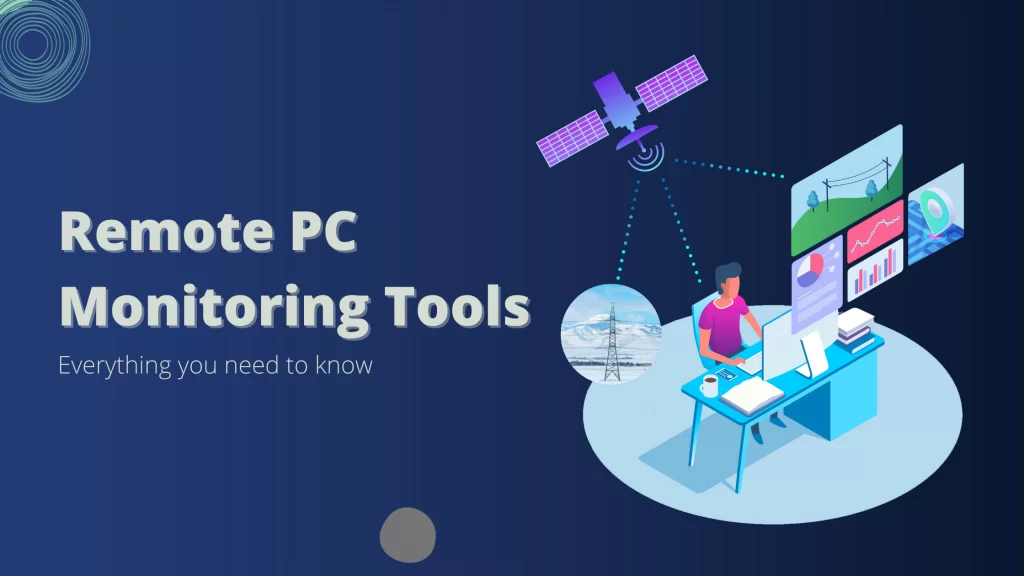
RMM software enables IT professionals to remotely manage computers, servers, and network devices. It provides the tools necessary to collect system data, monitor performance, troubleshoot problems, and deploy updates without needing to be physically present.
Core elements of what RMM software includes:
-
Remote monitoring of system health
-
Automation of routine IT tasks
-
Remote control and troubleshooting
-
Patch management and updates
-
Asset discovery and inventory
-
Alerting and notifications
-
Script execution
-
Reporting and analytics
RMM software simplifies complex IT environments and gives teams the ability to maintain uptime for every connected device.
Why RMM Software Became a Critical Tool for IT and MSPs
In the past, IT teams relied heavily on manual troubleshooting and on-site system checks. Today, businesses operate across multiple locations, use cloud and SaaS applications, and employ remote employees who work from anywhere. This shift created a need for centralized IT control—something RMM software delivers with ease.
Key reasons RMM software is essential:
Support for Remote and Hybrid Workforces
Employees using laptops, home networks, and mobile devices need secure access and continuous support.
Rising Cybersecurity Threats
Attackers exploit vulnerabilities, outdated software, and misconfigurations that RMM tools help detect quickly.
Complexity of Modern IT Environments
Cloud services, virtualization, and distributed applications all increase the need for automated oversight.
Demand for Automation
Teams save time by automating repetitive tasks like updates, health checks, and maintenance scripts.
Reduced IT and MSP Workload
RMM software helps smaller teams manage larger networks through automation and remote access.
Organizations that ignore the value of RMM tools often face downtime, higher costs, slower response times, and increased cybersecurity risks.
How RMM Software Works Behind the Scenes
Understanding how RMM software operates helps businesses see why it is so powerful. Most solutions follow a structured process for managing and securing devices.
Device Agent Installation
An agent is installed on each endpoint—Windows, macOS, Linux, or server. The agent collects data and communicates with the central RMM platform.
Continuous Monitoring
The agent monitors metrics such as:
-
CPU usage
-
Memory load
-
Disk space
-
Network connectivity
-
Patch status
-
Security alerts
As soon as something falls outside normal parameters, the RMM software sends an alert.
Automated Alerts and Issue Detection
RMM tools use predefined rules to detect issues early, including:
-
Critical service failures
-
High resource usage
-
Unauthorized access attempts
-
Hardware errors
-
Application crashes
This proactive detection helps IT teams fix problems before they affect users.
Remote Management and Troubleshooting
With remote tools built directly into the platform, IT staff can:
-
Access devices remotely
-
Restart services
-
Run scripts
-
Install updates
-
Examine logs
-
Remove malware
-
Reboot systems
Without RMM software, each device would need in-person support, causing delays and higher costs.
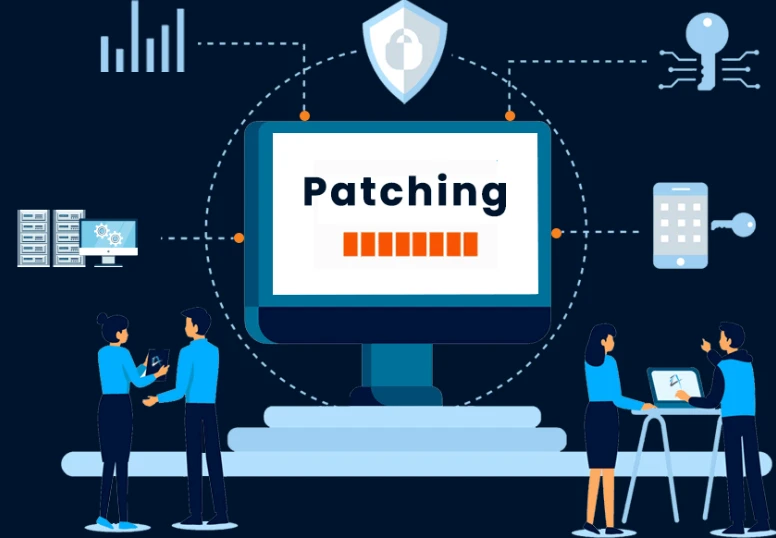
Patch and Update Deployment
RMM platforms automate patch management by:
-
Scanning for missing patches
-
Prioritizing critical updates
-
Deploying patches on schedule
-
Verifying installation
Patch compliance is one of the biggest security benefits of RMM software.
Automation and Scripting
Automation is one of the most powerful features of RMM tools. IT teams can automate:
-
Software installation
-
Disk cleanup
-
Log clearing
-
Security scans
-
Resource optimization
-
System updates
This reduces manual work and cuts human error.
Reporting and Analytics
RMM software provides detailed reports on:
-
System performance
-
Device inventory
-
Patch status
-
Compliance
-
Security issues
-
Capacity planning
These insights guide better decisions and IT investments.
Key Features That Define What RMM Software Is
Not all RMM solutions offer the same functionality, but most include several core features that define their purpose.
Remote Access
Secure remote sessions allow technicians to support users instantly.
System Monitoring
Tracks hardware, operating systems, and application health.
Automation Workflows
Automatic execution of repetitive tasks improves efficiency.
Patch Management
Ensures systems remain secure and compliant.
Asset Management
Creates a real-time inventory of all devices and software.
Custom Scripting
Allows IT to run PowerShell, Bash, or other scripts remotely.
Alerts and Notifications
Provides real-time insights to prevent downtime.
Multi-Tenant Support
Ideal for MSPs managing multiple clients from one dashboard.
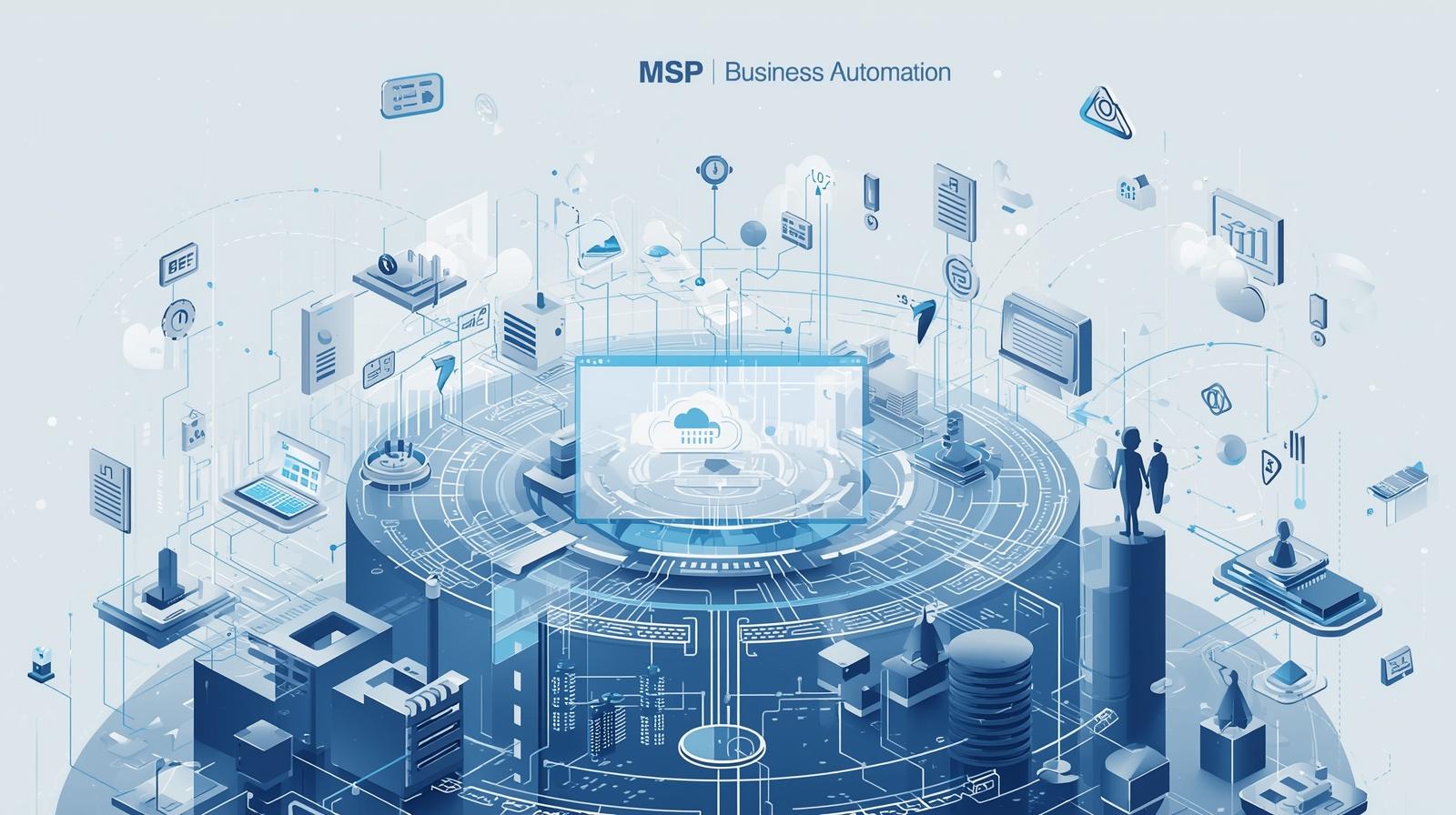
These features combine to create a centralized IT command center.
Security Benefits of Using RMM Software
Cybersecurity is one of the biggest drivers for RMM adoption. Because endpoints are prime targets for cyberattacks, organizations need tools that provide real-time visibility and control.
Early Threat Detection
RMM software can detect unusual activity before it becomes a full breach.
Automated Patch Deployment
Unpatched vulnerabilities are one of the top causes of cyberattacks. RMM solves this.
Reduced Attack Surface
By ensuring every device is monitored and updated, RMM lowers the number of exposed vulnerabilities.
Enforced Security Policies
RMM can enforce hardening standards across all endpoints.
Faster Incident Response
IT teams can immediately analyze and isolate compromised devices.
Without RMM tools, businesses often struggle to maintain consistent security across all devices.
What RMM Software Means for MSPs
For Managed Service Providers, RMM software is the backbone of their operations. It enables them to deliver services efficiently, profitably, and proactively.
Benefits for MSPs:
-
Centralized management of multiple clients
-
Automated maintenance, reducing manual labor
-
Lower service delivery costs
-
Higher uptime and customer satisfaction
-
Scalable service offerings
-
Remote remediation without site visits
RMM software also helps MSPs build predictable, recurring revenue models.
What RMM Software Means for Internal IT Teams
Internal IT departments use RMM tools to improve productivity, reduce downtime, and strengthen cybersecurity.
Advantages include:
-
Real-time visibility into all company devices
-
Less time spent on repetitive tasks
-
Improved help desk effectiveness
-
Faster troubleshooting
-
Easier compliance management
-
Better resource allocation
Even small internal IT teams can manage large environments with RMM tools.
Challenges RMM Software Helps Organizations Overcome
Modern IT environments face ongoing challenges. RMM software helps solve many of them, including:
Lack of visibility
Without RMM tools, teams don’t know what’s happening on every device.
Inconsistent patching
Manual patching often leaves critical vulnerabilities open.
Slow incident response
RMM tools help teams respond in real time.
Device sprawl
Remote work and BYOD make inventory difficult.
Costly downtime
Proactive monitoring reduces disruptions and outages.
RMM software centralizes control and reduces complexity across the entire IT ecosystem.
Best Practices When Using RMM Software
To maximize value, organizations should follow key best practices:
Standardize Monitoring Policies
Define thresholds, response plans, and alert rules.
Use Automation Strategically
Automate what is predictable; monitor what needs IT judgment.
Conduct Regular Patch Audits
Verify systems are up to date and compliant.
Integrate RMM With Other Tools
Combine with endpoint protection, ITSM platforms, and ticketing systems.
Train IT Staff Regularly
Understanding features leads to better security and support.
Following these steps ensures efficient and secure operations.
Frequently Asked Questions
1. What is RMM software used for?
It is used to remotely monitor, manage, secure, and troubleshoot endpoints across an organization or multiple clients.
2. Is RMM the same as remote access?
No. Remote access is only one feature of RMM. RMM includes monitoring, patching, automation, alerts, and much more.
3. Do small businesses need RMM tools?
Yes. Even small environments benefit from automation and improved security.
4. Is RMM software secure?
Modern RMM tools use encryption, authentication, and policy controls to maintain high security standards.
5. Can RMM software improve system uptime?
Absolutely. Automated monitoring and maintenance prevent outages and performance issues.
Final Thoughts
Whether you’re managing an enterprise network, supporting a distributed workforce, or running an MSP, understanding what is RMM software is essential for modern IT operations. RMM tools centralize monitoring, security, automation, patching, and remediation into a single platform, allowing IT teams to work proactively instead of reactively. With growing cyber threats and increasingly complex environments, using an effective RMM solution is no longer optional—it’s a strategic necessity for protecting data, maintaining uptime, and ensuring operational efficiency.
If you’re evaluating modern endpoint and automation solutions, now is the perfect moment to experience a platform built for today’s IT demands.
Start your free trial with ITarian

 Loading...