IT Risk Management Strategies for Business Security
Updated on April 2, 2026, by ITarian
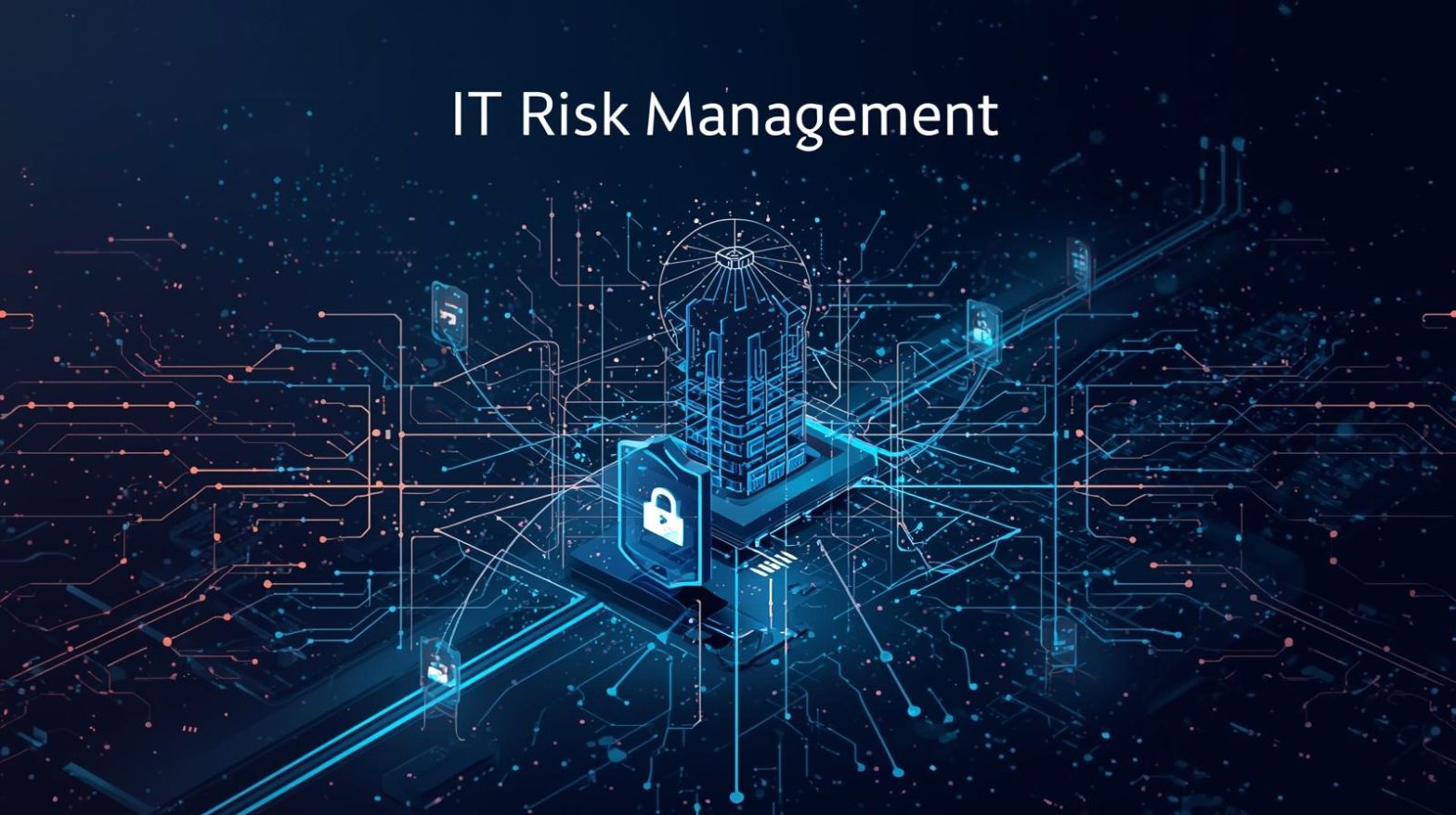
What would happen if your organization faced a cyberattack, system failure, or data breach tomorrow? Would your IT environment be prepared—or vulnerable? In today’s digital-first world, risks are everywhere. From ransomware attacks to insider threats and system outages, organizations face constant challenges that can disrupt operations and damage reputation. IT risk management helps businesses identify, assess, and mitigate these risks before they become costly problems. For IT managers, cybersecurity professionals, and business leaders, it’s a critical strategy to ensure security, compliance, and long-term resilience in an increasingly complex technological landscape.
What is IT Risk Management
IT risk management is the process of identifying, evaluating, and mitigating risks associated with information technology systems. It ensures that potential threats are managed effectively to protect business operations and data.
This process involves analyzing vulnerabilities, assessing their impact, and implementing controls to reduce risk exposure. It is not just about preventing attacks but also about preparing for and responding to incidents.
Key components of IT risk management include:
- Risk identification
- Risk assessment and analysis
- Risk mitigation strategies
- Continuous monitoring
- Incident response planning
For organizations of all sizes, IT risk management provides a structured approach to handling uncertainties in the digital environment.
Why IT Risk Management Matters Today
Modern organizations rely heavily on technology for daily operations. This dependence increases exposure to risks that can disrupt business continuity.
Growing Cyber Threats
Cyberattacks are becoming more sophisticated and frequent, targeting businesses of all sizes.
Increased Regulatory Requirements
Organizations must comply with strict data protection and security regulations.
Complex IT Environments
Cloud computing, remote work, and IoT devices add layers of complexity to IT systems.
Financial Impact of Incidents
Security breaches can lead to significant financial losses and reputational damage.
Need for Business Continuity
Organizations must ensure that operations continue even during disruptions.
For CEOs and founders, effective IT risk management is essential for protecting business value and ensuring sustainable growth.
Types of IT Risks Organizations Face
Understanding different types of IT risks is crucial for building a comprehensive strategy.
Cybersecurity Risks
Threats such as malware, ransomware, and phishing attacks can compromise systems and data.
Operational Risks
System failures, hardware issues, and human errors can disrupt operations.
Compliance Risks
Failure to meet regulatory requirements can result in penalties and legal issues.
Third-Party Risks
Vendors and partners may introduce vulnerabilities into the IT environment.
Data Risks
Data loss, leakage, or unauthorized access can have serious consequences.
Each type of risk requires specific strategies for mitigation and management.
Core Components of an Effective IT Risk Management Framework
To build a strong risk management strategy, organizations must focus on several core components.
Risk Identification
Identify potential risks across all systems, processes, and assets.
Risk Assessment
Evaluate the likelihood and impact of each risk to prioritize actions.
Risk Mitigation
Implement controls such as security measures, policies, and technologies to reduce risks.
Monitoring and Reporting
Continuously monitor systems and generate reports to track risk levels.
Incident Response
Develop plans to respond quickly and effectively to incidents.
These components create a comprehensive framework for managing IT risks.
Benefits of IT Risk Management Across Industries
IT risk management delivers value across various sectors.
Healthcare
- Protects patient data
- Ensures compliance with regulations
- Reduces risk of system failures
Finance
- Secures financial transactions
- Prevents fraud
- Meets strict compliance requirements
Retail
- Protects customer information
- Ensures system availability
- Reduces downtime
Manufacturing
- Secures operational technology
- Prevents production disruptions
- Improves efficiency
Education
- Protects student data
- Supports secure digital learning
- Enhances network reliability
For IT leaders, these benefits ensure stability and security across operations.
Common Challenges in IT Risk Management
Despite its importance, organizations often face challenges in managing IT risks.
Lack of Visibility
Limited insight into systems and vulnerabilities can hinder risk identification.
Resource Constraints
Managing risks requires skilled personnel and tools.
Rapidly Evolving Threats
Cyber threats change quickly, making it difficult to stay ahead.
Integration Issues
Different tools and systems may not work together effectively.
Organizational Resistance
Employees may resist changes to processes and policies.
Addressing these challenges requires a strategic approach and continuous improvement.
Best Practices for Effective IT Risk Management
To maximize the effectiveness of IT risk management, organizations should follow best practices.
Conduct Regular Risk Assessments
Identify and evaluate risks periodically to stay updated.
Implement Strong Security Controls
Use firewalls, encryption, and access controls to protect systems.
Adopt a Risk-Based Approach
Prioritize risks based on their impact and likelihood.
Use Automation Tools
Automate monitoring and reporting to improve efficiency.
Train Employees
Educate staff on security practices and risk awareness.
Continuously Monitor Systems
Real-time monitoring helps detect and respond to risks quickly.
These practices help organizations build a resilient IT environment.
Role of Automation in IT Risk Management
Automation plays a critical role in managing IT risks efficiently. It reduces manual effort and enhances accuracy.
Key benefits include:
- Real-time risk detection
- Automated threat response
- Continuous monitoring
- Improved reporting and analytics
- Reduced human error
Automation enables IT teams to focus on strategic initiatives while maintaining security.
How to Implement IT Risk Management Successfully
A structured approach ensures effective implementation.
Step 1: Assess Current Environment
Evaluate existing systems, processes, and risks.
Step 2: Define Objectives
Set clear goals for risk management.
Step 3: Develop Policies
Establish guidelines for risk management and security.
Step 4: Implement Controls
Deploy tools and measures to mitigate risks.
Step 5: Monitor and Review
Track performance and refine strategies.
Step 6: Align with Business Goals
Ensure risk management supports overall objectives.
Following these steps helps organizations build a robust risk management strategy.
Future Trends in IT Risk Management
The field of IT risk management is evolving rapidly.
AI-Driven Risk Analysis
Artificial intelligence enhances threat detection and predictive analysis.
Integration with Cybersecurity Platforms
Risk management tools are becoming more integrated with security solutions.
Cloud-Based Risk Management
Cloud platforms offer scalability and flexibility.
Increased Focus on Compliance
Organizations are prioritizing regulatory compliance.
Proactive Risk Management
Businesses are shifting from reactive to proactive strategies.
Staying ahead of these trends helps organizations remain competitive.
Actionable Tips to Strengthen IT Risk Management
If you want to improve your IT risk management strategy, consider these practical tips:
- Identify and prioritize critical risks
- Use automation for monitoring and response
- Implement strong security controls
- Conduct regular audits
- Train employees on security practices
- Continuously update policies and tools
These steps help ensure a secure and resilient IT environment.
Frequently Asked Questions
Q1: What is IT risk management?
IT risk management involves identifying, assessing, and mitigating risks related to IT systems.
Q2: Why is IT risk management important?
It helps protect systems, ensure compliance, and maintain business continuity.
Q3: What tools are used for IT risk management?
Common tools include risk assessment platforms, monitoring tools, and security solutions.
Q4: Can small businesses implement IT risk management?
Yes, it can be scaled to fit organizations of all sizes.
Q5: How does automation help in IT risk management?
Automation improves efficiency, accuracy, and response times.
Final Thoughts
IT risk management is a critical component of modern business operations. By identifying and mitigating risks, organizations can protect their systems, data, and reputation. For IT managers, cybersecurity professionals, and business leaders, adopting a proactive approach to risk management ensures resilience and long-term success. As technology continues to evolve, organizations that prioritize IT risk management will be better equipped to handle challenges and maintain a competitive edge.
Secure your infrastructure better — launch your free ITarian trial

 Loading...