Cyber threats continue to grow in complexity, and endpoints remain one of the most vulnerable entry points for attackers. Organizations today manage thousands of devices, from laptops and servers to mobile endpoints, each requiring strict security controls. Without proper oversight, even a single non-compliant device can expose the entire network to risk. This is where endpoint compliance enforcement becomes essential. By ensuring that all devices meet defined security standards, organizations can reduce vulnerabilities, improve visibility, and maintain a strong security posture. For IT managers, cybersecurity professionals, and business leaders, endpoint compliance enforcement is a critical component of modern IT security strategies.
What is Endpoint Compliance Enforcement
Endpoint compliance enforcement is the process of ensuring that all devices connected to an organization’s network adhere to predefined security policies and regulatory standards. It involves monitoring endpoints, identifying non-compliant devices, and enforcing corrective actions.
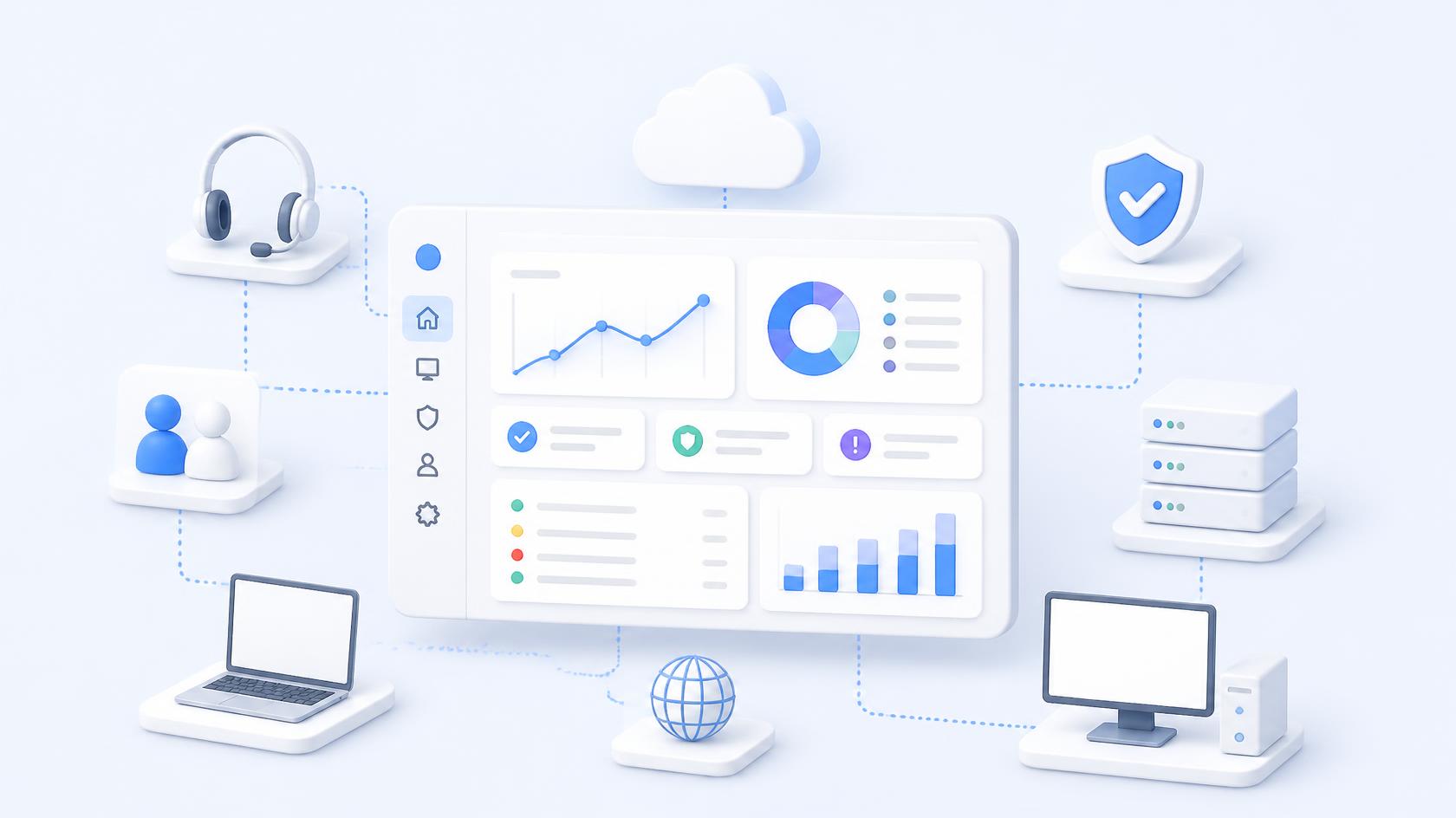
Organizations rely on endpoint security solutions, device compliance management tools, network access control systems, and policy enforcement platforms to implement endpoint compliance enforcement effectively.
Key elements include:
- Policy definition and enforcement
- Continuous endpoint monitoring
- Automated remediation
- Access control based on compliance status
- Reporting and auditing
Endpoint compliance enforcement ensures that only secure and compliant devices can access critical systems.
Why Endpoint Compliance Enforcement Matters in Modern IT
Modern IT environments are dynamic, with employees accessing systems from various locations and devices. This creates new security challenges that require strong enforcement mechanisms.
Expanding Attack Surface
Remote work and BYOD policies increase exposure.
Rising Cybersecurity Threats
Attackers target vulnerable endpoints.
Compliance Requirements
Organizations must meet industry standards and regulations.
Data Protection Needs
Sensitive data must remain secure across devices.
Operational Continuity
Non-compliant devices can disrupt business operations.
For CEOs and founders, endpoint compliance enforcement ensures that security risks are minimized while maintaining productivity.
Core Components of Endpoint Compliance Enforcement
Effective endpoint compliance enforcement depends on several key components.
Policy Definition
Establish clear security and compliance requirements for all endpoints.
Device Monitoring
Continuously track endpoint activity and compliance status.
Access Control
Restrict or grant access based on compliance levels.
Automated Remediation
Fix issues automatically when non-compliance is detected.
Reporting and Auditing
Generate reports to track compliance and support audits.
These components create a structured approach to managing endpoint security.
Benefits of Endpoint Compliance Enforcement Across Industries
Endpoint compliance enforcement provides value across various sectors.
Healthcare
- Protects patient data
- Ensures regulatory compliance
- Reduces risk of breaches
Finance
- Secures financial transactions
- Enhances risk management
- Supports compliance requirements
Retail
- Protects customer data
- Reduces downtime
- Improves system reliability
Manufacturing
- Secures operational systems
- Prevents disruptions
- Enhances productivity
Education
- Protects student information
- Supports secure digital environments
- Improves accessibility
For IT leaders, these benefits ensure a secure and efficient IT environment.
Common Challenges in Endpoint Compliance Enforcement
Despite its importance, organizations often face challenges in implementing endpoint compliance enforcement.
Device Diversity
Managing different types of endpoints can be complex.
Lack of Visibility
Unmanaged devices may go undetected.
Manual Processes
Manual compliance checks are time-consuming.
Integration Issues
Tools must work together seamlessly.
User Resistance
Strict policies may impact user experience.
Addressing these challenges requires a balanced approach that combines security and usability.
Best Practices for Effective Endpoint Compliance Enforcement
To maximize the effectiveness of endpoint compliance enforcement, organizations should follow best practices.
Define Clear Policies
Establish comprehensive security guidelines for all endpoints.
Automate Compliance Checks
Use tools to monitor devices continuously.
Implement Access Controls
Restrict access for non-compliant devices.
Monitor Continuously
Track endpoint activity in real time.
Train Employees
Ensure users understand compliance requirements.
Regularly Update Policies
Adapt to evolving threats and technologies.
These practices help organizations maintain a proactive security strategy.
Role of Automation in Endpoint Compliance Enforcement
Automation plays a critical role in improving endpoint compliance enforcement. It reduces manual effort and enhances efficiency.
Key benefits include:
- Automated compliance monitoring
- Real-time alerts for non-compliance
- Faster remediation processes
- Reduced human error
- Improved scalability
Automation enables organizations to enforce policies consistently across all endpoints.
How to Choose the Right Endpoint Compliance Enforcement Tools
Selecting the right tools is essential for success. Consider the following factors:
Scalability
Ensure the solution can handle growing environments.
Integration Capabilities
Choose tools that work with existing systems.
Ease of Use
Select platforms with intuitive interfaces.
Security Features
Look for advanced threat detection and policy enforcement.
Reporting Capabilities
Ensure tools provide actionable insights.
A well-chosen solution significantly improves endpoint compliance enforcement.
How to Implement Endpoint Compliance Enforcement Successfully
A structured approach ensures effective implementation.
Step 1: Assess Current Environment
Identify endpoints and existing compliance gaps.
Step 2: Define Objectives
Set clear goals for compliance and security.
Step 3: Select the Right Tools
Choose platforms that support automation and monitoring.
Step 4: Configure Policies
Establish rules for endpoint compliance.
Step 5: Train Teams
Ensure staff understand tools and processes.
Step 6: Monitor and Optimize
Continuously refine strategies based on insights.
Following these steps helps organizations build a strong compliance framework.
Future Trends in Endpoint Compliance Enforcement
The future of endpoint compliance enforcement is driven by innovation and advanced technologies.
AI-Driven Compliance
Artificial intelligence enhances monitoring and decision-making.
Zero Trust Security
Continuous verification of devices and users.
Cloud-Based Management
Cloud platforms offer scalability and flexibility.
Real-Time Analytics
Advanced analytics provide instant insights into compliance status.
Automated Remediation
Systems automatically fix compliance issues without manual intervention.
Staying ahead of these trends helps organizations remain competitive.
Actionable Tips to Improve Endpoint Compliance Enforcement
If you want to strengthen your compliance strategy, consider these practical tips:
- Maintain a complete inventory of endpoints
- Automate compliance monitoring
- Prioritize high-risk vulnerabilities
- Monitor systems continuously
- Train your IT team
- Regularly update security policies
These steps help ensure effective and efficient compliance management.
Frequently Asked Questions
Q1: What is endpoint compliance enforcement?
Endpoint compliance enforcement ensures that all devices meet security and compliance requirements.
Q2: Why is endpoint compliance enforcement important?
It reduces security risks, protects data, and ensures regulatory compliance.
Q3: What tools are used for endpoint compliance enforcement?
Tools include endpoint security platforms, compliance management systems, and access control solutions.
Q4: Can small businesses benefit from endpoint compliance enforcement?
Yes, it helps organizations of all sizes improve security and efficiency.
Q5: How does automation improve compliance enforcement?
Automation enables faster monitoring, real-time alerts, and consistent policy enforcement.
Final Thoughts
Endpoint compliance enforcement is essential for organizations looking to secure their IT environments and meet regulatory requirements. By ensuring that all devices adhere to defined security policies, businesses can reduce risks, improve visibility, and maintain operational efficiency. For IT managers, cybersecurity professionals, and business leaders, investing in endpoint compliance enforcement is a strategic move that supports long-term resilience and security. As IT environments continue to evolve, organizations that prioritize compliance enforcement will be better equipped to protect their infrastructure and achieve sustained success.

 Loading...