Strengthening Modern IT Security with Cloud Based Patch Management
Updated on January 2, 2026, by ITarian

How confident are you that every device in your organization is fully patched right now? With remote work, cloud infrastructure, and a growing number of endpoints, keeping systems updated has become one of the biggest cybersecurity challenges today. This is where cloud based patch management plays a critical role. Instead of relying on manual updates or on-premise tools, organizations are turning to cloud based patch management to maintain security, compliance, and operational efficiency at scale.
Cloud based patch management allows IT teams to deploy, monitor, and manage patches from a centralized cloud platform. It reduces delays, eliminates blind spots, and ensures vulnerabilities are addressed quickly. For cybersecurity leaders, IT managers, and executives, cloud based patch management is no longer optional—it is a foundational part of modern IT operations.
What Is Cloud Based Patch Management
Cloud based patch management is the process of managing software updates and security patches through a cloud-hosted platform. Rather than hosting patch servers internally, organizations use a cloud service to identify missing updates, deploy patches, and track compliance across all endpoints.
This approach removes infrastructure complexity and enables IT teams to manage devices regardless of location. Whether endpoints are in the office, at home, or traveling globally, cloud based patch management ensures consistent protection. It also provides real-time visibility into patch status, helping organizations respond faster to emerging threats.
Why Cloud Based Patch Management Matters Today
Cyber threats evolve rapidly, and attackers often exploit unpatched vulnerabilities within days of disclosure. Traditional patching methods struggle to keep pace, especially in distributed environments. Cloud based patch management addresses this challenge by automating patch discovery and deployment.
By using cloud based patch management, organizations reduce their exposure window and improve overall security posture. It also helps eliminate human error, which is a common cause of missed or delayed updates. For businesses operating in regulated industries, cloud based patch management supports compliance by maintaining accurate patch records.
Key Benefits of Cloud Based Patch Management
Adopting cloud based patch management delivers benefits that extend beyond security. It improves efficiency, scalability, and control across the IT environment.
Some of the most impactful benefits include:
-
Centralized patch management across all devices
-
Faster deployment of critical security updates
-
Reduced infrastructure and maintenance costs
-
Improved visibility and reporting
-
Better support for remote and hybrid workforces
These advantages make cloud based patch management especially valuable for growing organizations with limited IT resources.
How Cloud Based Patch Management Works
Cloud based patch management platforms continuously scan endpoints to identify missing or outdated patches. Once vulnerabilities are detected, patches can be deployed automatically or scheduled based on organizational policies.
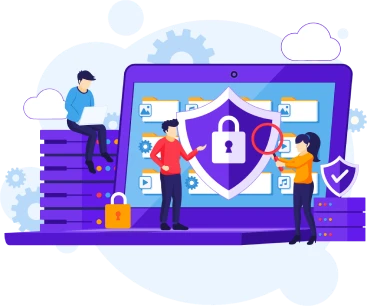
Administrators manage everything through a web-based dashboard. From this interface, IT teams can prioritize critical updates, approve patches, and monitor deployment success. Cloud based patch management also provides alerts and reports, ensuring issues are identified and resolved quickly.
Cloud Based Patch Management vs Traditional Patch Management
Traditional patch management often relies on on-premise servers and manual processes. While effective in small, static environments, it becomes inefficient as organizations scale. Cloud based patch management removes these limitations.
With cloud based patch management, there is no need to maintain patch servers or manage complex network configurations. Updates are delivered directly from the cloud, reducing latency and administrative overhead. This modern approach aligns better with today’s cloud-first and remote work strategies.
Supporting Remote and Hybrid Workforces
Remote work has permanently changed how organizations operate. Devices now connect from various networks, making traditional patching unreliable. Cloud based patch management solves this problem by operating independently of network location.
As long as a device has internet access, cloud based patch management can assess and apply patches. This capability ensures consistent security regardless of where employees work. For IT managers, it eliminates the need for VPN-dependent patching workflows.
Security and Risk Reduction
Unpatched systems are one of the most common attack vectors used by cybercriminals. Cloud based patch management significantly reduces this risk by ensuring timely updates.
By automating patch deployment, organizations close known vulnerabilities before attackers can exploit them. Cloud based patch management also supports vulnerability prioritization, allowing IT teams to focus on the most critical threats first. This proactive approach strengthens overall cybersecurity resilience.
Patch Management for Third-Party Applications
Operating systems are not the only source of vulnerabilities. Third-party applications such as browsers, productivity tools, and plugins are frequent targets. Cloud based patch management platforms often include support for third-party application updates.
This capability ensures that commonly exploited software is kept up to date without manual intervention. Managing both OS and application patches from a single cloud based patch management system simplifies workflows and reduces risk.
Compliance and Audit Readiness
Many compliance frameworks require organizations to demonstrate timely patching and vulnerability management. Cloud based patch management supports these requirements by providing detailed reports and audit trails.
IT teams can easily show patch status, deployment history, and remediation timelines. This transparency simplifies audits and helps organizations avoid penalties. For executives, cloud based patch management offers assurance that compliance obligations are being met consistently.
Scalability for Growing IT Environments
As organizations expand, the number of endpoints grows rapidly. Cloud based patch management is designed to scale without additional infrastructure investment.
New devices can be onboarded quickly, and patch policies can be applied automatically. Whether managing hundreds or thousands of endpoints, cloud based patch management maintains performance and visibility. This scalability makes it ideal for fast-growing businesses and enterprises alike.
Best Practices for Cloud Based Patch Management
To get the most value from cloud based patch management, organizations should follow proven best practices.
Key recommendations include:
-
Classifying patches by criticality and risk
-
Automating routine patch deployments
-
Testing patches before full rollout
-
Scheduling updates during low-impact windows
-
Regularly reviewing patch compliance reports
These practices ensure cloud based patch management supports both security and business continuity.
Common Challenges and How to Overcome Them
While cloud based patch management offers many benefits, challenges can arise during implementation. Concerns may include patch compatibility, user disruption, or lack of visibility.
These challenges can be addressed through clear policies, phased rollouts, and communication with users. Modern cloud based patch management tools also include rollback options and testing environments to minimize risk.
The Strategic Value of Cloud Based Patch Management
Beyond technical benefits, cloud based patch management delivers strategic value to the organization. It supports digital transformation, reduces operational risk, and improves IT efficiency.
For leadership teams, cloud based patch management provides confidence that security is being handled proactively. It allows IT departments to shift focus from reactive maintenance to strategic initiatives that drive business growth.
FAQs
-
What is cloud based patch management used for?
Cloud based patch management is used to automatically identify, deploy, and track software updates and security patches across devices from a centralized cloud platform. -
Is cloud based patch management secure?
Yes, cloud based patch management platforms use secure communication channels and access controls to protect data while ensuring timely patch deployment. -
Can cloud based patch management handle remote devices?
Cloud based patch management is ideal for remote and hybrid environments because it works anywhere devices have internet access. -
Does cloud based patch management support third-party apps?
Most modern cloud based patch management solutions support patching for both operating systems and common third-party applications. -
How does cloud based patch management help with compliance?
It provides detailed reporting and audit trails that demonstrate timely patching and adherence to security policies.
Final Thoughts
Cloud based patch management has become essential for organizations navigating today’s complex and distributed IT environments. By automating updates, reducing risk, and improving visibility, it enables IT teams to stay ahead of threats without increasing workload. For cybersecurity professionals, IT managers, and business leaders, cloud based patch management is a smart investment in long-term security and operational resilience.
Move your operations forward — get started with your free ITarian trial

 Loading...