Reinventing Cybersecurity with Zero Trust IT Management
Updated on March 31, 2026, by ITarian
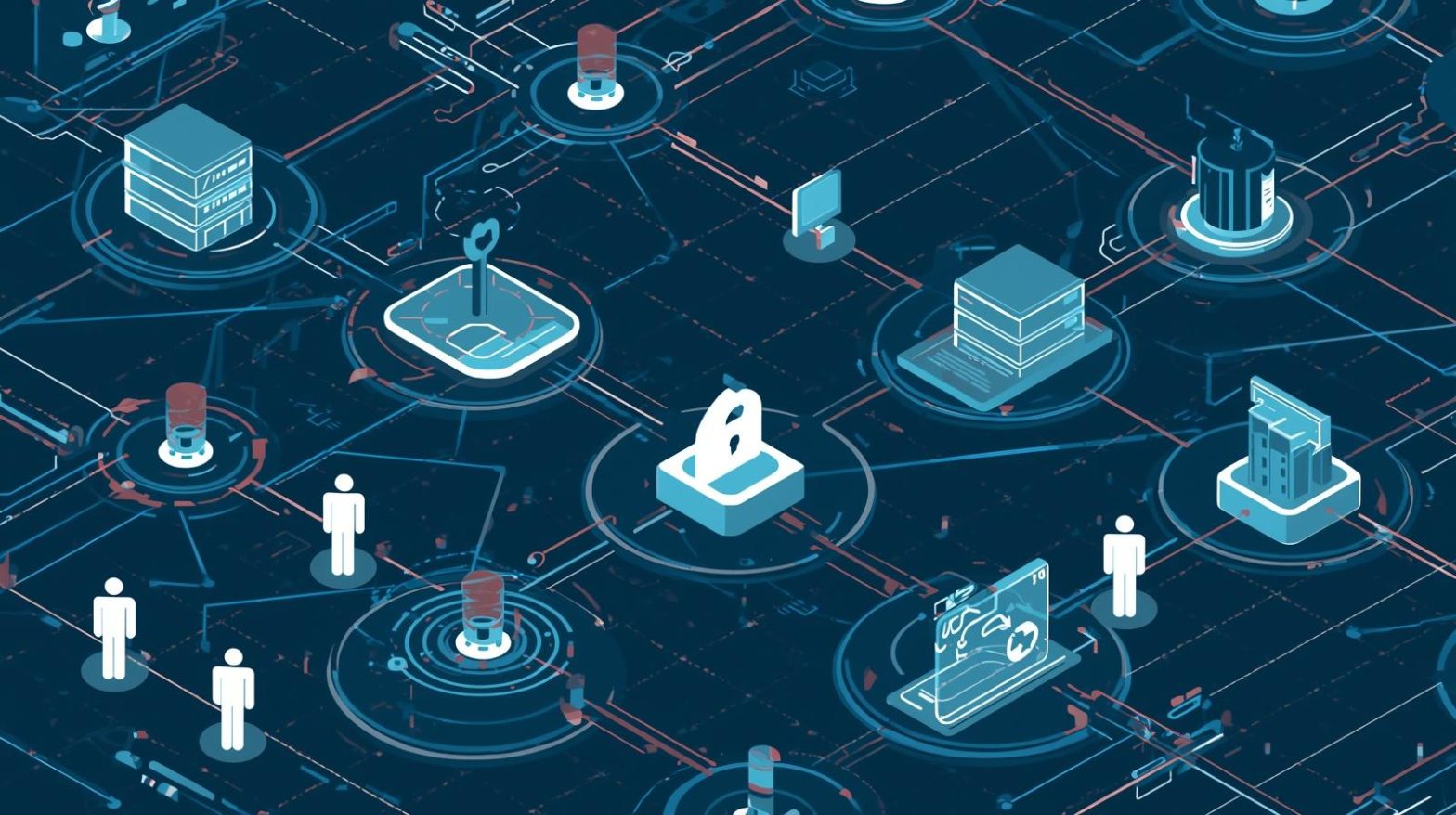
What if your organization trusted no user, device, or system by default—would your security be stronger? In today’s threat landscape, traditional perimeter-based security is no longer enough. Cyberattacks are more sophisticated, and attackers often bypass basic defenses by exploiting trusted access. Zero trust IT management addresses this challenge by enforcing strict verification at every level. For IT managers, cybersecurity professionals, and business leaders, adopting a zero trust model is essential to reduce risks, protect sensitive data, and maintain control in increasingly complex environments. This approach is not just a trend—it’s becoming the new standard for modern IT security.
What is Zero Trust IT Management
Zero trust IT management is a security framework based on the principle of “never trust, always verify.” It requires continuous authentication and authorization for every user, device, and application attempting to access resources.
Unlike traditional models that assume trust within a network, zero trust eliminates implicit trust. Every access request is evaluated based on identity, context, and risk.
Key principles include:
-
Continuous verification of users and devices
-
Least privilege access
-
Micro-segmentation of networks
-
Real-time monitoring and analytics
-
Strong identity and access management (IAM)
This model ensures that only authorized users can access specific resources, reducing the risk of unauthorized access.
Why Zero Trust IT Management Matters Today
Modern IT environments are more dynamic than ever, with remote work, cloud adoption, and mobile devices increasing complexity.
Evolving Cyber Threats
Attackers are using advanced techniques to bypass traditional defenses.
Remote and Hybrid Work
Employees access systems from various locations, increasing risk exposure.
Cloud and SaaS Adoption
Data and applications are no longer confined to on-premises environments.
Insider Threats
Not all threats come from outside—internal users can also pose risks.
Compliance Requirements
Organizations must meet strict regulatory standards for data protection.
For CEOs and founders, zero trust provides a proactive approach to managing security risks.
Core Components of Zero Trust IT Management
To implement zero trust effectively, organizations must focus on several key components.
Identity and Access Management (IAM)
IAM ensures that only verified users can access systems. Multi-factor authentication (MFA) adds an extra layer of security.
Device Security
Endpoints must be verified and compliant before accessing resources.
Network Segmentation
Dividing networks into smaller segments limits the spread of threats.
Continuous Monitoring
Real-time monitoring helps detect anomalies and respond quickly.
Data Protection
Encryption and access controls protect sensitive information.
These components work together to create a comprehensive security framework.
Benefits of Zero Trust IT Management Across Industries
Zero trust IT management delivers significant benefits across industries.
Healthcare
-
Protects sensitive patient data
-
Ensures compliance with regulations
-
Reduces risk of breaches
Finance
-
Secures financial transactions
-
Prevents fraud
-
Meets strict compliance requirements
Retail
-
Protects customer data
-
Ensures secure payment systems
-
Reduces downtime
Manufacturing
-
Secures operational technology
-
Prevents disruptions
-
Enhances system reliability
Education
-
Protects student data
-
Secures remote learning platforms
-
Manages large user bases
For IT leaders, zero trust provides a scalable and secure approach to managing complex environments.
Common Challenges in Zero Trust Implementation
While zero trust offers many advantages, organizations may face challenges.
Complexity of Implementation
Transitioning from traditional models requires significant changes.
Integration Issues
Existing systems must integrate with zero trust solutions.
User Experience Impact
Strict security measures may affect usability.
Resource Constraints
Implementing zero trust requires time and expertise.
Cultural Resistance
Employees may resist changes to access policies.
Addressing these challenges requires careful planning and stakeholder engagement.
Best Practices for Zero Trust IT Management
To maximize the effectiveness of zero trust, organizations should follow best practices.
Start with Identity Security
Implement strong authentication methods such as MFA.
Enforce Least Privilege Access
Grant users only the access they need.
Segment Networks
Limit access between systems to reduce risk.
Monitor Continuously
Use real-time monitoring to detect and respond to threats.
Automate Security Processes
Automation improves efficiency and reduces human error.
Educate Employees
Train staff on security practices and policies.
These practices help build a strong zero trust foundation.
Role of Automation in Zero Trust IT Management
Automation is essential for managing zero trust environments at scale. It improves efficiency and enhances security.
Key benefits include:
-
Automated access controls
-
Real-time threat detection
-
Faster incident response
-
Reduced manual effort
-
Improved compliance reporting
Automation enables organizations to enforce policies consistently across all systems.
How to Implement Zero Trust IT Management Successfully
A structured approach ensures effective implementation.
Step 1: Assess Current Environment
Evaluate existing systems, users, and access controls.
Step 2: Define Security Policies
Establish clear rules for access and authentication.
Step 3: Deploy Security Tools
Implement IAM, endpoint security, and monitoring solutions.
Step 4: Segment Networks
Divide networks to limit access and reduce risk.
Step 5: Monitor and Optimize
Continuously track performance and refine strategies.
Step 6: Align with Business Goals
Ensure security measures support organizational objectives.
Following these steps helps organizations transition to a zero trust model effectively.
Future Trends in Zero Trust IT Management
Zero trust continues to evolve with advancements in technology.
AI-Driven Security
Artificial intelligence enhances threat detection and response.
Integration with Cloud Platforms
Zero trust models are becoming more integrated with cloud services.
Advanced Analytics
Real-time analytics provide deeper insights into security risks.
Expansion to IoT Devices
Zero trust is being extended to connected devices.
Enhanced User Experience
Balancing security and usability will remain a key focus.
Staying ahead of these trends helps organizations maintain strong security.
Actionable Tips to Strengthen Zero Trust IT Management
If you’re ready to adopt zero trust, consider these practical tips:
-
Implement multi-factor authentication
-
Monitor user activity continuously
-
Limit access based on roles
-
Use encryption for sensitive data
-
Automate security processes
-
Regularly update security policies
These steps help ensure a secure and efficient IT environment.
Frequently Asked Questions
Q1: What is zero trust IT management?
Zero trust IT management is a security approach that requires continuous verification of users and devices.
Q2: Why is zero trust important?
It reduces the risk of unauthorized access and improves overall security.
Q3: What tools are used for zero trust?
Common tools include IAM systems, endpoint security platforms, and monitoring tools.
Q4: Can small businesses implement zero trust?
Yes, zero trust can be scaled to fit organizations of all sizes.
Q5: How does zero trust improve cybersecurity?
It minimizes trust, enforces strict access controls, and detects threats early.
Final Thoughts
Zero trust IT management is redefining how organizations approach cybersecurity. By eliminating implicit trust and enforcing strict verification, businesses can significantly reduce their risk exposure. For IT managers, cybersecurity professionals, and business leaders, adopting zero trust is a strategic move toward stronger security and operational resilience. As threats continue to evolve, organizations that embrace zero trust will be better equipped to protect their assets and maintain control in a complex digital landscape.
Experience smarter IT automation — start your free ITarian trial

 Loading...