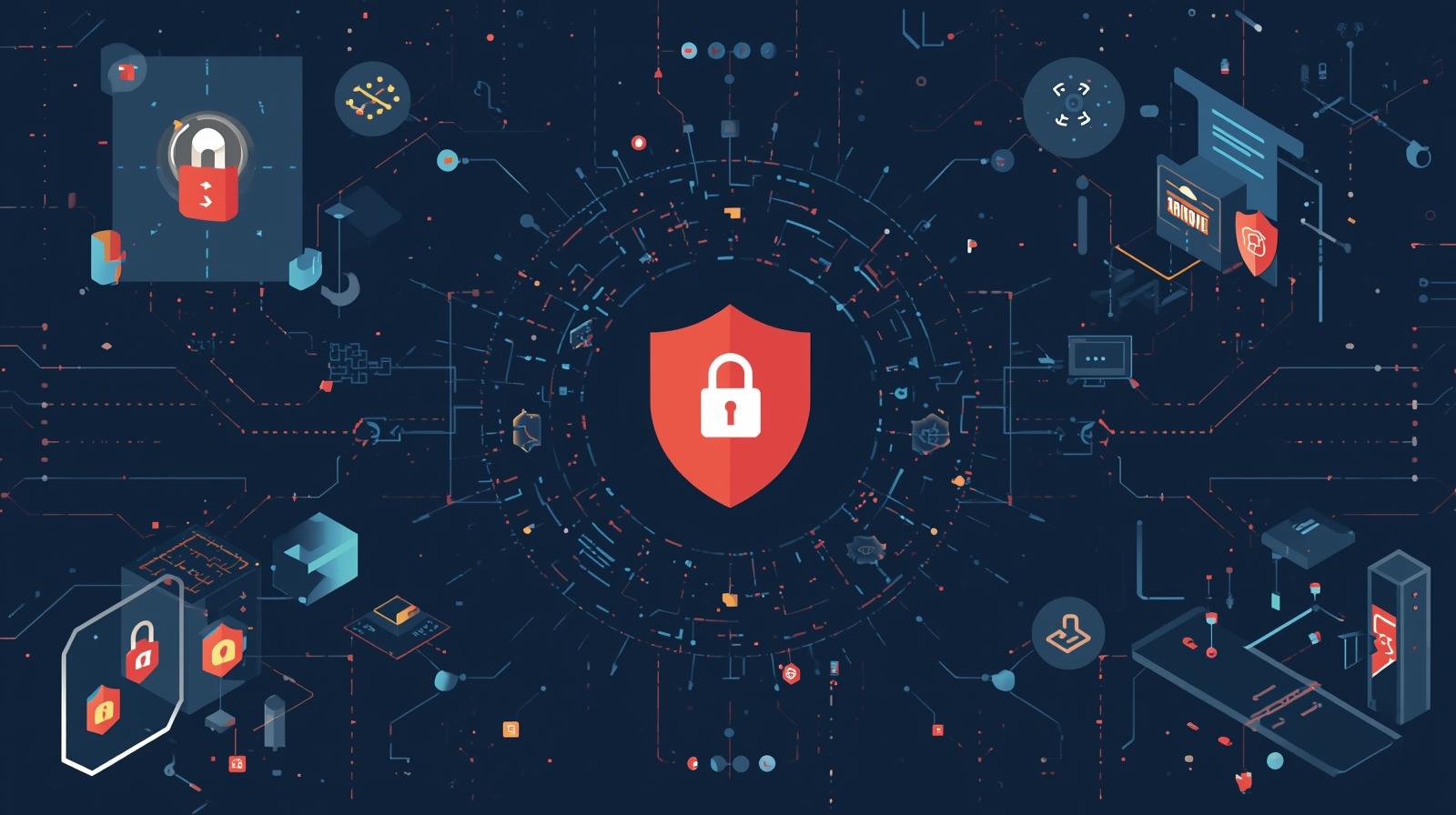
What would happen if every endpoint in your organization suddenly locked up with a ransom demand on the screen? Ransomware attacks continue to rise in frequency and sophistication, targeting businesses of all sizes. Ransomware protection for endpoints has become one of the most critical components of modern cybersecurity strategy. As remote work expands and endpoints multiply, each device becomes a potential entry point for attackers. Without strong ransomware protection for endpoints, organizations face operational disruption, financial loss, and long-term reputational damage.
For cybersecurity leaders, IT managers, and executives, ransomware protection for endpoints is no longer optional. It is a strategic necessity that directly impacts resilience, compliance, and business continuity.
Understanding Ransomware and Why Endpoints Are Prime Targets
Ransomware is malicious software designed to encrypt files or systems until a ransom is paid. Attackers typically gain access through phishing emails, unpatched vulnerabilities, remote desktop exposure, or compromised credentials.
Endpoints are prime targets because they sit at the edge of the network. Employees use laptops, desktops, and mobile devices to access critical systems daily. A single infected endpoint can allow ransomware to spread laterally across the network.
Ransomware protection for endpoints focuses on detecting, preventing, and responding to threats directly at the device level. By securing endpoints, organizations reduce the risk of widespread infection.
Why Ransomware Protection for Endpoints Is Critical in Modern IT
The shift to hybrid and remote work has expanded the attack surface. Employees connect from home networks, public Wi-Fi, and personal devices. Traditional perimeter defenses alone are not enough.
Ransomware protection for endpoints delivers several essential advantages:
-
Real-time threat detection on individual devices
-
Blocking malicious file execution
-
Isolation of compromised endpoints
-
Prevention of unauthorized encryption activity
-
Rapid recovery capabilities
Without endpoint-level protection, organizations may not detect ransomware until it is too late.
Executives must recognize that ransomware protection for endpoints directly supports operational continuity and protects customer trust.
Core Components of Effective Ransomware Protection for Endpoints
Strong ransomware protection for endpoints combines multiple security layers working together.
Behavioral Detection
Modern ransomware variants often evade traditional signature-based detection. Behavioral analysis monitors unusual activities such as rapid file encryption or abnormal process execution.
When suspicious behavior is detected, the system can block or quarantine the activity immediately.
Real-Time Endpoint Monitoring
Continuous monitoring ensures that endpoints remain secure at all times. This includes tracking file changes, network connections, and privilege escalations.
Monitoring tools alert security teams to anomalies before ransomware spreads.
Automated Threat Response
Speed is critical during an attack. Automated response mechanisms isolate infected devices from the network to prevent lateral movement.
This containment reduces damage and limits downtime.
Integrated Backup and Recovery
Ransomware protection for endpoints should integrate with backup systems. Even if files are encrypted, secure backups allow restoration without paying ransom.
Backup integration strengthens overall resilience.
How Ransomware Protection for Endpoints Strengthens Cybersecurity Strategy
Ransomware protection for endpoints is part of a broader cybersecurity framework. When combined with patch management, identity access controls, and network monitoring, it creates layered defense.
Key strategic benefits include:
-
Reduced attack surface
-
Faster incident containment
-
Lower financial impact of breaches
-
Improved compliance posture
-
Enhanced visibility across devices
Security teams gain actionable insights into endpoint activity. Leadership gains measurable data on risk reduction and threat mitigation.
Best Practices for Implementing Ransomware Protection for Endpoints
Implementing ransomware protection for endpoints requires structured planning.
Start with comprehensive endpoint visibility. Identify every device connected to the network, including remote and cloud-based systems.
Enforce strong patch management. Many ransomware attacks exploit outdated software vulnerabilities.
Enable multi-factor authentication to reduce credential-based compromise.
Implement least-privilege access policies. Limiting user permissions reduces the spread of ransomware.
Conduct regular employee training. Human error remains a major entry point for ransomware.
Finally, test response procedures regularly. Simulated ransomware drills improve readiness and response speed.
The Role of Automation and AI in Ransomware Defense
Automation and artificial intelligence enhance ransomware protection for endpoints by increasing detection speed and reducing human workload.
AI-driven tools analyze patterns across thousands of endpoints simultaneously. They identify suspicious behavior that may indicate emerging threats.
Automation ensures consistent enforcement of security policies. It also reduces delays in patch deployment and threat response.
For IT managers, this combination improves efficiency while maintaining strong protection.
Challenges Organizations Face
Despite its importance, implementing ransomware protection for endpoints presents challenges.
One challenge is device diversity. Organizations manage multiple operating systems and hardware types. Protection tools must support this diversity.
Another challenge is user resistance. Security controls may be perceived as intrusive. Clear communication helps balance usability and protection.
Resource constraints may also limit deployment. However, the cost of ransomware recovery often far exceeds the investment in prevention.
By addressing these challenges proactively, organizations can strengthen their security posture.
Measuring the Effectiveness of Ransomware Protection for Endpoints
To evaluate performance, organizations should track measurable metrics.
Important indicators include:
-
Number of blocked ransomware attempts
-
Patch compliance rates
-
Incident response time
-
Endpoint visibility coverage
-
Recovery time after simulated attacks
Regular reporting to leadership ensures accountability and continuous improvement.
Transparent metrics demonstrate the value of ransomware protection for endpoints.
The Future of Endpoint Ransomware Defense
Ransomware continues to evolve, targeting backup systems and exploiting zero-day vulnerabilities. Future ransomware protection for endpoints will rely even more on predictive analytics and zero trust frameworks.
Emerging capabilities may include:
-
Self-healing endpoints that restore automatically
-
Immutable backup integration
-
Real-time risk scoring
-
Automated forensic analysis
Organizations that adopt advanced endpoint protection today will be better prepared for tomorrow’s threats.
Frequently Asked Questions
1. What is ransomware protection for endpoints?
Ransomware protection for endpoints refers to security measures that detect, block, and respond to ransomware threats directly on devices such as laptops and servers.
2. Why are endpoints common targets for ransomware?
Endpoints are often the first point of entry through phishing emails or unpatched vulnerabilities, making them attractive targets.
3. Can ransomware protection for endpoints prevent all attacks?
While no solution guarantees total prevention, layered protection significantly reduces risk and improves response speed.
4. Is backup enough to protect against ransomware?
Backups are essential, but they must be combined with endpoint protection and monitoring to prevent encryption and spread.
5. How often should ransomware defenses be reviewed?
Organizations should review defenses regularly and update tools and policies to address emerging threats.
Final Thoughts
Ransomware protection for endpoints is a critical pillar of modern cybersecurity strategy. By securing devices at the edge of the network, organizations reduce risk, maintain business continuity, and protect valuable data. In a threat landscape where ransomware attacks grow more sophisticated each year, proactive endpoint defense is essential.
Strengthen your organization’s resilience and response capabilities — Power your team’s efficiency — start a free ITarian trial

 Loading...