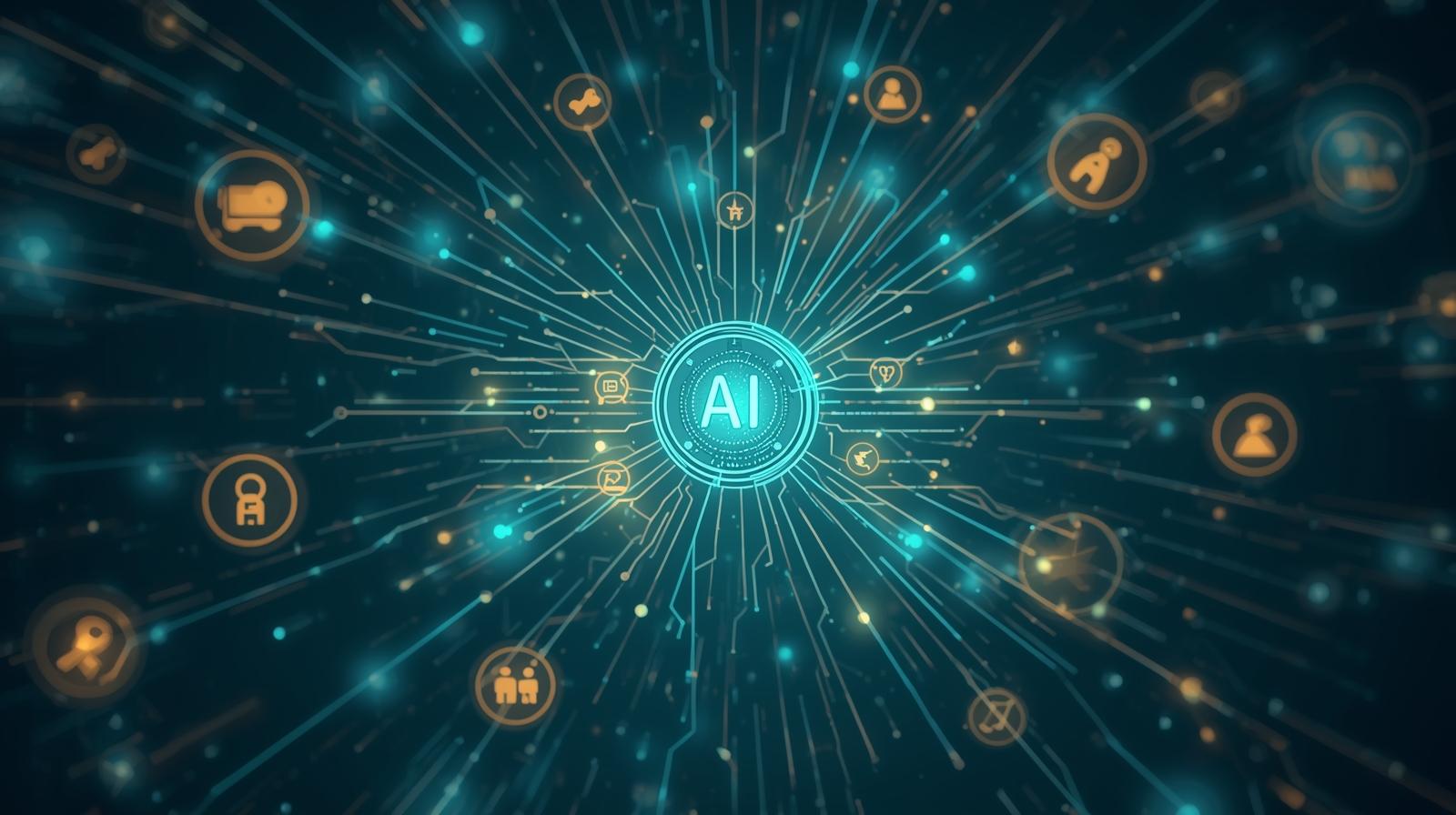
Every organization faces risks—from cybersecurity threats and financial exposure to operational disruptions and compliance failures. As those risks become more complex, enterprises are increasingly turning to risk management AI to identify, analyze, and mitigate threats faster than human teams can on their own. With cyberattacks, data breaches, and regulatory demands rising, AI-driven risk tools help IT managers, cybersecurity teams, and executive leaders stay ahead of emerging challenges while improving precision and response times.
Today’s businesses operate in environments where traditional methods of risk assessment are no longer sufficient. Manual review, spreadsheets, and periodic audits simply can’t keep up with real-time threats. By leveraging risk management AI, organizations gain the ability to monitor millions of data points, detect anomalies, forecast potential risks, and automate responses that strengthen resilience across all operations. From cybersecurity risk scoring to behavioral analytics and predictive modeling, AI is rapidly reshaping how enterprises protect themselves.
In this comprehensive guide, we’ll dive into how risk management AI works, why it matters, real-world use cases, essential features, implementation strategies, and what organizations should consider when adopting AI-driven risk solutions.
What Risk Management AI Really Means for Modern Enterprises
Risk management AI refers to technologies that use machine learning, data analytics, automation, and predictive algorithms to identify, quantify, and mitigate risks within an organization. Instead of waiting for incidents to occur, AI analyzes patterns and trends to forecast potential issues and alert teams early.
Core objectives of risk management AI include:
-
Automating risk detection
-
Predicting emerging threats
-
Improving response time
-
Minimizing human error
-
Enhancing visibility across systems
-
Supporting compliance and audit requirements
For IT and cybersecurity leaders, AI is becoming one of the most powerful tools for strengthening defense strategies.
Why Traditional Risk Management Is No Longer Enough
Organizations used to rely on manual processes and periodic reviews to evaluate risk. However, digital transformation and cyber expansions have created environments where threats evolve multiple times per hour.
Key limitations of traditional methods include:
-
Slow reaction time
-
High dependency on human interpretation
-
Limited data visibility
-
Difficulty identifying hidden or emerging risks
-
Inability to handle large-scale systems
-
Fragmented monitoring across distributed networks
Risk management AI overcomes these challenges by offering always-on monitoring powered by intelligent algorithms.
How Risk Management AI Works Behind the Scenes
AI-driven models process and analyze data from various sources—systems logs, network behavior, applications, user activity, cloud environments, vulnerabilities, and external threat intelligence.
Risk management AI typically follows three steps:
Step 1: Data Collection and Aggregation
AI pulls data from internal systems, cloud tools, security platforms, and third-party sources to build complete visibility.
Step 2: Analysis and Risk Scoring
Machine learning identifies anomalies, assigns priorities, and determines the likelihood of potential threats.
Step 3: Automated Alerts and Recommendations
AI notifies security and IT teams about high-risk patterns and suggests or initiates mitigation actions.
This gives organizations the ability to respond proactively instead of reactively.
Key Benefits of Using Risk Management AI in Cybersecurity and IT
AI isn’t just faster—it provides deeper insights and reduces the overall risk footprint across the enterprise.
Major benefits include:
-
Faster identification of high-priority threats
-
Fewer false positives for security teams
-
Predictive analytics that anticipate issues
-
Continuous monitoring for real-time protection
-
Automated remediation to reduce impact
-
Better compliance and audit readiness
-
Lower costs due to reduced incidents
-
Stronger resilience across endpoints and networks
For IT managers and CISOs, AI significantly increases operational efficiency.
How Risk Management AI Enhances Cybersecurity Defense
Cybersecurity risks evolve rapidly. Attackers use automation and AI-enhanced tools to exploit vulnerabilities quickly. Risk management AI strengthens defenses by identifying unusual behavior patterns before they escalate.
Capabilities that support cybersecurity:
-
Early detection of ransomware indicators
-
Identification of compromised accounts
-
Analysis of privilege misuse
-
Detection of anomalous login patterns
-
Prediction of potential vulnerabilities
-
Flagging of emerging attack vectors
AI enables organizations to stay ahead of cybercriminals.
AI for Predictive Risk Identification
One of the most valuable aspects of risk management AI is its ability to forecast potential threats. Instead of waiting for a breach, AI models look for warning signs hidden in data.
Predictive risk use cases:
-
Predicting which systems are most likely to fail
-
Identifying employees most vulnerable to phishing
-
Anticipating potential compliance violations
-
Determining future infrastructure weaknesses
-
Forecasting patching priorities
This helps teams allocate resources efficiently and prevent incidents before they happen.
AI in Compliance and Governance Risk
Compliance continues to grow more complex with frameworks like GDPR, HIPAA, SOC 2, and NIST. Risk management AI automates the most difficult and time-consuming tasks.
AI helps with:
-
Continuous compliance monitoring
-
Real-time audit readiness
-
Automated evidence collection
-
Detection of policy violations
-
Documentation accuracy and visibility
This reduces the burden on IT teams and avoids costly regulatory penalties.
AI for Operational and Business Risk
AI extends beyond cybersecurity. It also supports strategic risk decisions that impact overall business performance.
AI analyzes risks related to:
-
Vendor security
-
Supply chain disruptions
-
Business continuity gaps
-
Workflow inefficiencies
-
Infrastructure performance
-
Employee behavior patterns
By providing insights across various departments, AI strengthens enterprise-wide resilience.
Essential Features to Look For in Risk Management AI Solutions
Organizations should evaluate AI tools based on key capabilities that impact long-term performance, scalability, and accuracy.
Look for features such as:
Machine Learning and Behavioral Analytics
AI should continuously learn from data and adapt over time.
Real-Time Monitoring
Instant visibility ensures that threats are detected as soon as they appear.
Automated Risk Scoring
This helps prioritize issues based on severity and potential impact.
AI-Powered Alerts
Notifications should be smart enough to reduce noise and highlight true risks.
Integration with IT and Security Tools
Compatibility with SIEM, EDR, MDM, IAM, and patch management tools is essential.
Predictive Algorithms
Systems should forecast potential failures or vulnerabilities.
Built-In Remediation
AI should recommend or take corrective action where appropriate.
Audit and Compliance Reporting
Streamlined reporting helps organizations meet regulatory standards quickly.
Use Cases of Risk Management AI Across Industries
AI is adaptable to various risk environments based on industry needs.
Cybersecurity
Detecting malware, ransomware, insider threats, and privilege misuse.
Finance
Financial fraud detection, transaction monitoring, and regulatory compliance.
Healthcare
Patient data protection and HIPAA risk assessments.
Government
Critical infrastructure monitoring and secure access control.
Manufacturing
Predicting equipment failures and monitoring supply chain risks.
Education
Protecting student data and identifying unauthorized access.
Risk management AI is useful anywhere risk visibility is essential.
How IT Managers Use Risk Management AI for Smarter Decision-Making
IT teams benefit significantly from AI-assisted recommendations and automated workflows.
AI helps IT teams:
-
Automate patching priorities
-
Monitor device health
-
Detect system anomalies
-
Prevent outages
-
Enforce security policies
-
Manage remote work environments more effectively
Better insights lead to faster and more accurate decision-making.
Building a Risk Management Framework Enhanced by AI
Organizations adopting AI must integrate it into a wider strategic framework.
Steps for building a strong AI-driven risk framework:
-
Identify risk categories and use cases
-
Centralize data sources
-
Enable continuous monitoring
-
Assign risk ownership
-
Automate actions where possible
-
Review AI outputs regularly
-
Train teams on AI interpretation
This builds a mature risk environment that aligns security and business goals.
Common Challenges in Adopting Risk Management AI
While AI offers substantial benefits, organizations may face challenges during implementation.
Typical challenges include:
-
Data silos hindering visibility
-
Lack of AI expertise
-
Integration complexity
-
Quality and cleanliness of data
-
False confidence in automation
-
Resistance to change within teams
Addressing these early ensures smoother adoption.
Best Practices for Successful Implementation
To achieve maximum results with risk management AI, organizations should follow proven best practices.
Recommended practices:
-
Use clean, high-quality data
-
Start with high-impact use cases
-
Monitor model accuracy continually
-
Implement human oversight
-
Combine AI with existing risk tools
-
Conduct frequent training and updates
-
Ensure transparency in AI decisions
Combining AI + human expertise produces the strongest risk protection.
The Future of Risk Management AI
The future of enterprise risk is leaning heavily toward automation, smarter analytics, and predictive intelligence.
Trends shaping the future include:
-
Generative AI for threat simulation
-
Autonomous risk engines
-
AI-driven compliance orchestration
-
Behavior-based access control
-
Enhanced IoT and device risk analysis
-
Decision support for executives
Risk management AI will soon become a default component of enterprise systems.
Frequently Asked Questions
1. What is risk management AI?
Risk management AI uses machine learning and analytics to detect, evaluate, and mitigate risks across an organization automatically.
2. How does AI improve risk management?
It increases accuracy, reduces manual workload, detects threats earlier, and predicts potential vulnerabilities.
3. Is AI reliable for cybersecurity risk?
Yes. When combined with human oversight, AI is extremely effective at identifying threats and minimizing false positives.
4. Can AI help with compliance?
Absolutely. AI automates evidence collection, monitors policy violations, and supports audit readiness.
5. Which industries use risk management AI?
Finance, cybersecurity, healthcare, government, manufacturing, retail, education, and any industry with high security and compliance needs.
Final Thoughts
A powerful risk management AI strategy transforms how organizations understand and address their risks. By using AI-driven analytics, predictive monitoring, and automation, enterprises gain the tools they need to detect threats earlier, strengthen decision-making, and maintain operational resilience. For IT managers, cybersecurity experts, and executive leaders, adopting AI technology is no longer optional—it’s an essential step in protecting the business from evolving risks.
To strengthen security operations, improve threat intelligence, and simplify risk management across your organization, now is the ideal time to explore modern AI-driven solutions.

 (1 votes, average: 4.00 out of 5)
 Loading...