Best Practices for Effective Software Asset Management
Updated on March 23, 2026, by ITarian

Are you fully aware of the software running across your organization—or are hidden risks quietly growing in the background? In today’s digital landscape, software asset management is more than just tracking licenses. It plays a vital role in controlling costs, improving cybersecurity, and ensuring compliance.
For IT managers, cybersecurity professionals, and business leaders, poor visibility into software assets can lead to overspending, vulnerabilities, and operational inefficiencies. With the right strategy, software asset management helps organizations gain control, optimize resources, and make smarter technology decisions that support long-term growth.
What is Software Asset Management
Software asset management (SAM) is the process of tracking, managing, and optimizing software applications throughout their lifecycle. It ensures that organizations use software efficiently while staying compliant with licensing agreements.
SAM involves monitoring software usage, managing licenses, and maintaining accurate inventories. It also helps organizations identify unused or underutilized software, reducing unnecessary costs.
Key components of software asset management include:
-
Software inventory tracking
-
License management and compliance
-
Usage monitoring
-
Risk assessment
-
Lifecycle management
For IT teams, SAM provides a structured approach to managing software assets across the organization.
Why Software Asset Management Matters for IT and Cybersecurity
Software asset management is not just about cost control—it also plays a crucial role in security and operational efficiency.
Improved Visibility
Organizations gain complete visibility into installed software, helping them understand what is running on their systems.
Cost Optimization
SAM identifies unused or duplicate licenses, allowing businesses to reduce unnecessary spending.
Enhanced Security
Outdated or unauthorized software can create vulnerabilities. SAM helps detect and remove such risks.
Compliance Assurance
Proper license management ensures compliance with vendor agreements, reducing the risk of penalties.
Better Decision-Making
Accurate data enables IT leaders to make informed decisions about software investments.
For CEOs and founders, SAM supports financial efficiency and risk management at scale.
Key Components of a Strong Software Asset Management Strategy
To implement effective SAM, organizations must focus on several core elements.
Software Inventory Management
Maintain an up-to-date inventory of all software assets. This includes installed applications, versions, and usage data.
License Management
Track software licenses to ensure compliance and avoid overuse or underutilization.
Usage Monitoring
Analyze how software is used across the organization. This helps identify opportunities for optimization.
Risk Management
Identify unauthorized or outdated software that may pose security risks.
Lifecycle Management
Manage software from procurement to retirement, ensuring efficient use throughout its lifecycle.
These components form the foundation of a successful SAM program.
Types of Software Asset Management
Different types of SAM approaches can be used depending on organizational needs.
IT Asset Management (ITAM)
Focuses on managing all IT assets, including hardware and software.
License Management
Specializes in tracking and managing software licenses.
Cloud Asset Management
Handles software assets in cloud environments, including SaaS applications.
Security-Focused SAM
Emphasizes identifying vulnerabilities and managing software risks.
Each type addresses specific aspects of software management, allowing organizations to tailor their approach.
Benefits of Software Asset Management Across Industries
Software asset management delivers value across various industries.
Healthcare
-
Ensures compliance with regulations
-
Protects sensitive patient data
-
Reduces risks from outdated software
Finance
-
Enhances data security
-
Supports compliance with financial regulations
-
Optimizes software investments
Retail
-
Manages point-of-sale systems
-
Ensures software availability during peak periods
-
Reduces operational costs
Manufacturing
-
Monitors production software
-
Reduces downtime
-
Improves system efficiency
Education
-
Manages software for large user bases
-
Ensures compliance with licensing agreements
-
Enhances cybersecurity
For IT managers, SAM provides a scalable solution for managing complex environments.
Common Challenges in Software Asset Management
Despite its advantages, SAM comes with challenges that organizations must address.
Lack of Visibility
Without proper tools, organizations struggle to track all software assets.
Complex Licensing Models
Different vendors have varying licensing terms, making compliance difficult.
Shadow IT
Employees may install unauthorized software, creating security risks.
Integration Issues
SAM tools may not integrate seamlessly with existing systems.
Resource Constraints
Managing software assets requires time and expertise.
Addressing these challenges requires a strategic approach and the right technology.
Best Practices for Effective Software Asset Management
To maximize the benefits of SAM, organizations should follow best practices.
Maintain Accurate Inventory
Regularly update software inventories to ensure accuracy.
Automate Processes
Use automation tools to track software usage and manage licenses.
Conduct Regular Audits
Periodic audits help identify compliance issues and optimization opportunities.
Standardize Software Usage
Limit the number of software applications to reduce complexity.
Train Employees
Educate staff about software policies and compliance requirements.
Monitor Continuously
Continuous monitoring ensures that software assets remain under control.
These practices help organizations build a strong SAM framework.
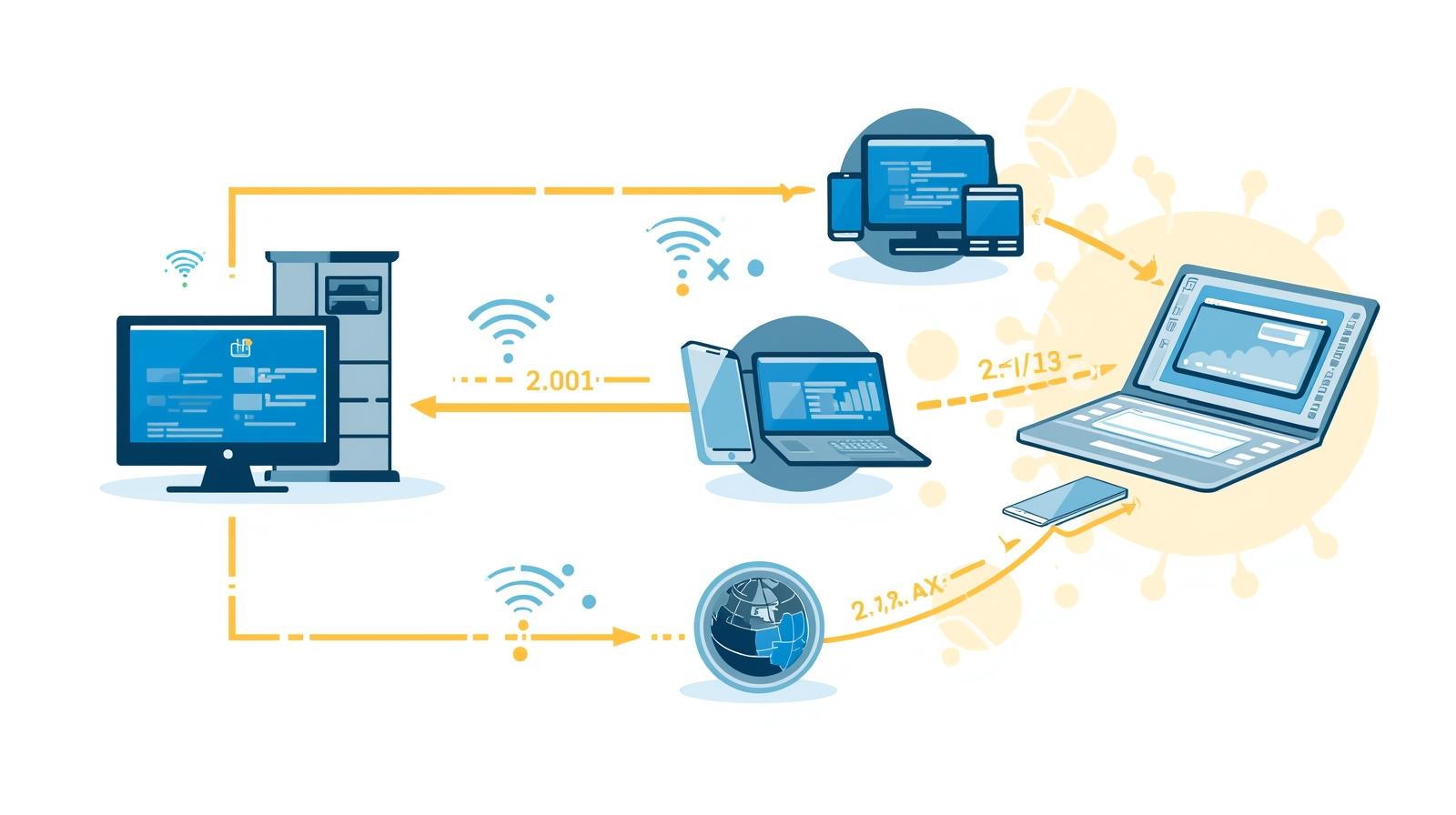
Role of Automation in Software Asset Management
Automation plays a key role in modern SAM strategies. It reduces manual effort and improves accuracy.
Key benefits of automation include:
-
Real-time tracking of software assets
-
Automated license management
-
Alerts for compliance issues
-
Improved reporting and analytics
-
Reduced human error
Automation tools integrate with IT systems, enabling seamless management of software assets.
How to Implement Software Asset Management Successfully
Implementing SAM requires careful planning and execution.
Step 1: Assess Current Environment
Evaluate existing software assets and identify gaps.
Step 2: Define Goals
Set clear objectives for your SAM strategy.
Step 3: Choose the Right Tools
Select tools that support inventory tracking, license management, and reporting.
Step 4: Establish Policies
Define guidelines for software usage and compliance.
Step 5: Monitor and Optimize
Continuously track performance and improve processes.
Step 6: Engage Stakeholders
Ensure collaboration between IT, finance, and management teams.
Following these steps ensures a smooth and effective implementation process.
Future Trends in Software Asset Management
SAM continues to evolve with advancements in technology.
AI-Driven Insights
Artificial intelligence provides predictive analytics and smarter decision-making.
Cloud-Based SAM
Cloud platforms offer scalability and flexibility for managing software assets.
Integration with Cybersecurity
SAM tools are increasingly integrated with security solutions to detect vulnerabilities.
Real-Time Analytics
Advanced analytics provide instant insights into software usage and performance.
Focus on Sustainability
Organizations are optimizing software usage to reduce waste and improve efficiency.
Staying ahead of these trends helps organizations remain competitive.
Actionable Tips to Improve Software Asset Management
If you want to enhance your SAM strategy, consider these practical tips:
-
Identify unused software and eliminate it
-
Use automation tools for tracking and reporting
-
Regularly review licensing agreements
-
Monitor software usage patterns
-
Strengthen security controls
-
Continuously update your SAM strategy
These steps help ensure better control and improved efficiency.
Frequently Asked Questions
Q1: What is software asset management?
Software asset management is the process of tracking and managing software assets to optimize usage and ensure compliance.
Q2: Why is SAM important for cybersecurity?
SAM helps identify outdated or unauthorized software, reducing security vulnerabilities.
Q3: What are common SAM tools?
Common tools include IT asset management platforms, license management systems, and cloud-based solutions.
Q4: Can SAM reduce costs?
Yes, SAM identifies unused licenses and optimizes software usage, reducing unnecessary expenses.
Q5: Is SAM suitable for small businesses?
Yes, SAM helps small businesses manage software efficiently and maintain compliance.
Final Thoughts
Software asset management is essential for organizations looking to optimize their IT environment, reduce costs, and strengthen cybersecurity. By gaining visibility into software assets and implementing structured processes, businesses can improve efficiency and make informed decisions. For IT managers, cybersecurity professionals, and business leaders, SAM is not just a technical function—it’s a strategic advantage. As technology continues to evolve, organizations that invest in effective software asset management will be better positioned for long-term success.

 Loading...