Strengthening Enterprise Security Through AI and Risk Management
Updated on December 17, 2025, by ITarian
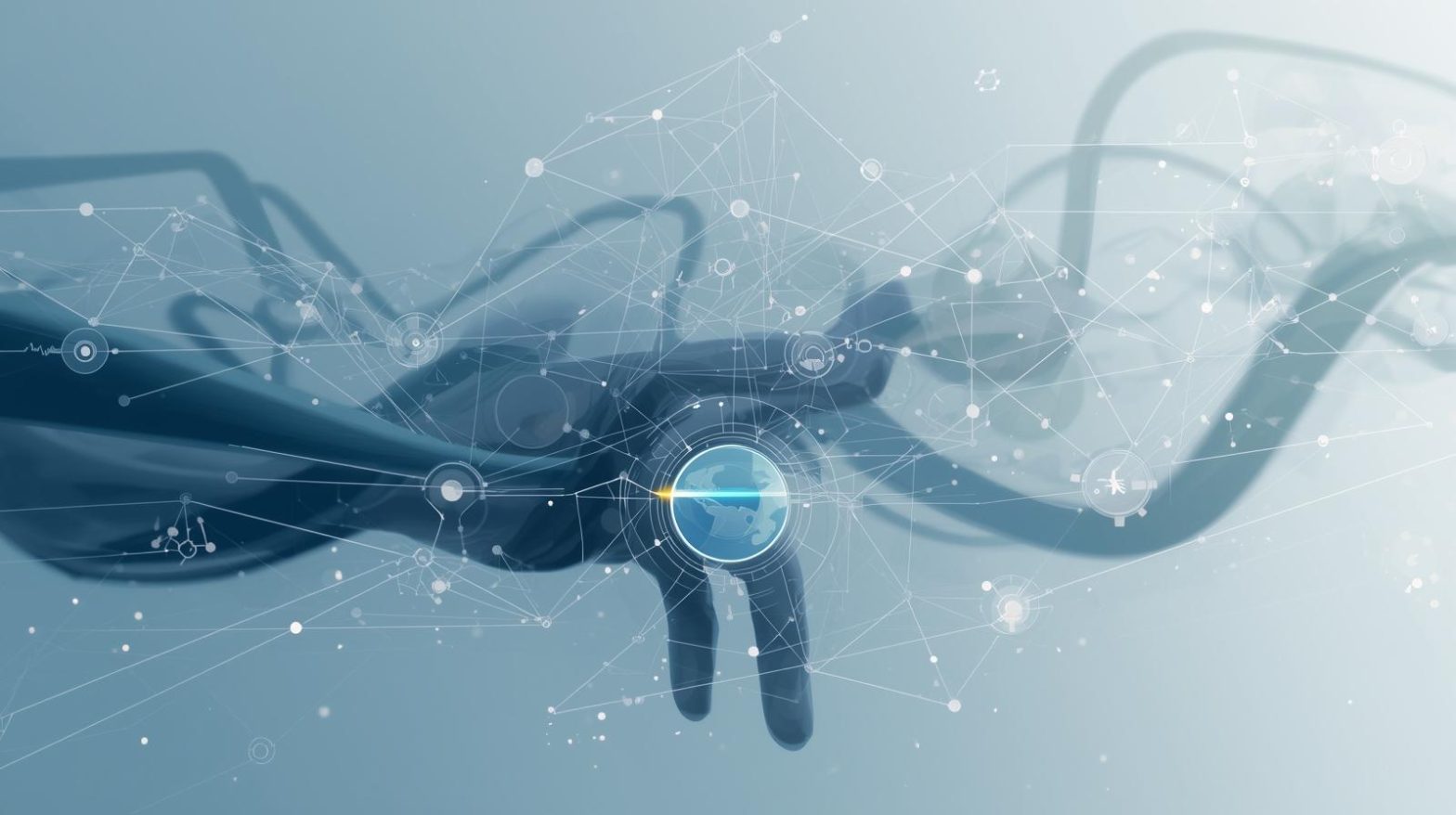
Artificial intelligence has rapidly emerged as a cornerstone of modern cybersecurity strategies, transforming how organizations identify threats, evaluate risks, and respond to potential vulnerabilities. Today, ai and risk management go hand in hand, helping IT leaders and cybersecurity teams build stronger, faster, and more adaptive protection frameworks. In a world where attack patterns evolve daily and digital infrastructures grow more complex, AI empowers organizations to detect anomalies, predict risks, and automate mitigation with precision that humans cannot match alone. This shift has made AI-driven risk intelligence essential for safeguarding assets, meeting compliance standards, and ensuring business continuity.
As industries adopt more cloud services, remote work models, and connected devices, they face new and diverse cybersecurity challenges. Traditional manual risk assessment methods have become too slow, too limited, and too reactive. That’s why AI-enhanced risk management has become a necessity rather than just an innovative upgrade. It simplifies complex decisions, reduces human error, and reinforces cybersecurity resilience across all layers of an organization.
What Does AI Bring to Risk Management
AI enhances risk management by automating the analysis of massive datasets that humans cannot process efficiently. It provides real-time risk scores, evaluates threat patterns, and increases the accuracy of risk predictions. Instead of relying solely on periodic assessments, businesses gain ongoing, dynamic insight into vulnerabilities, exposures, and emerging threats.
AI tools can review logs, behavioral data, network traffic, and access records—spotting subtle patterns that traditional systems would miss. These insights help cybersecurity teams make faster, evidence-based decisions.
Key benefits AI introduces include:
-
Faster risk detection and assessment
-
Predictive insights to stop emerging threats
-
Automation that reduces manual workloads
-
Higher accuracy with fewer false positives
-
Continuous real-time monitoring rather than scheduled reviews
AI ensures risk management isn’t just reactive—it becomes proactive and predictive.
Why AI and Risk Management Are Essential for Modern Cybersecurity
Organizations face a growing list of cyber threats, including ransomware, insider risks, cloud misconfigurations, and API vulnerabilities. Manual processes often fail to keep up with this pace, leading to delayed detection and slow response.
Pairing ai and risk management creates a lifecycle of intelligent security operations:
-
Identify risks earlier
-
Prioritize threats more accurately
-
Automate mitigation workflows
-
Reduce overall attack surface
Businesses benefit from improved visibility across endpoints, networks, cloud services, mobile devices, and workloads. Whether monitoring suspicious activity or predicting potential vulnerabilities, AI closes security gaps before they become business disruptions.
Core Use Cases of AI in Risk Management
AI supports risk management strategies across multiple areas. For cybersecurity teams, these use cases increase speed, precision, and resilience.
1. Predictive Threat Modeling
AI uses machine learning models to analyze past attacks, system behaviors, and global threat intelligence. This helps predict:
-
Which vulnerabilities attackers may exploit
-
Potential breach entry points
-
Weak configurations in cloud or endpoint systems
Predictive analytics allows organizations to prepare defenses before incidents occur.
2. Automated Vulnerability Assessment
AI can automatically identify vulnerabilities across environments, classify them based on severity, and correlate them with known exploits. Compared to manual assessment, this approach is faster and more thorough.
3. Behavior-Based Anomaly Detection
AI identifies unusual behavior in:
-
User login patterns
-
Network traffic volume
-
Access requests
-
System processes
This detection goes beyond signature-based methods and can discover insider threats or zero-day attacks.
4. Intelligent Incident Response
AI-driven security automation can:
-
Isolate compromised devices
-
Terminate malicious processes
-
Alert administrators
-
Apply predefined mitigation policies
This reduces the time between detection and response.
5. Compliance Monitoring
AI helps organizations meet industry regulations by continuously assessing compliance risks and flagging deviations. It also simplifies audit preparation through automated reporting.
How AI Enhances Decision-Making in Risk Management
Risk management requires decision-making based on reliable data. AI provides the speed and accuracy needed to evaluate risk categories effectively, including operational, financial, cybersecurity, and compliance-related risks.
AI contributes in several ways:
-
Data-driven insight: AI analyzes millions of data points to find correlations humans may overlook.
-
Prioritization: AI ranks threats based on impact, probability, and exploitation likelihood.
-
Faster decision cycles: Risks are assessed in real time rather than during periodic reviews.
-
Scenario simulation: AI can simulate “what-if” events to forecast outcomes of risk mitigation strategies.
This leads to smarter investments in security tools, better allocation of resources, and reduced exposure to high-impact threats.
Challenges of Using AI in Risk Management
While AI adds significant value, organizations must address certain challenges.
1. Data Quality
AI models require large volumes of clean, relevant data. Poor-quality datasets lead to inaccurate risk scores or false predictions.
2. Algorithm Bias
AI systems may unintentionally inherit bias from training data. This can skew assessments and reduce reliability.
3. Implementation Complexity
Integrating AI into existing IT ecosystems requires planning, expertise, and proper configuration.
4. Overdependence on Automation
AI should complement—not replace—human decision-making. Human oversight remains essential for interpreting complex contexts.
How AI and Risk Management Work Together in Enterprise Environments
To build a strong cybersecurity posture, organizations must integrate AI into every layer of their risk management architecture.
Step 1: Collect and Centralize Security Data
Risk-related data is pulled from endpoints, networks, cloud workloads, user activity logs, and applications.
Step 2: Analyze Behavior and Identify Threat Patterns
AI evaluates patterns to identify abnormal behavior or system weaknesses.
Step 3: Prioritize Risks Using AI Models
Threats are scored based on severity, exploitability, and business impact.
Step 4: Automate Threat Response
Systems take action automatically—isolating devices, blocking traffic, or notifying analysts.
Step 5: Report and Improve
AI continuously improves through machine learning, enhancing accuracy and adaptability over time.
Industries That Benefit Most From AI-Driven Risk Management
AI is transforming risk management across multiple industries, especially those handling sensitive data.
Key sectors include:
-
Financial services
-
Healthcare and life sciences
-
Government and public sector
-
Manufacturing and industrial IoT
-
Retail and eCommerce
-
Technology and MSPs
These industries rely heavily on continuous monitoring, data integrity, and regulatory compliance.
How AI Supports Zero-Trust Security Models
Zero-trust frameworks rely on constant verification. AI strengthens zero-trust architectures by:
-
Continuously validating user behavior
-
Scoring device trust levels
-
Automating conditional access decisions
-
Monitoring lateral movement attempts
This makes AI and zero-trust security a powerful combination.
Building an AI-Enhanced Risk Management Strategy
A strong strategy requires aligning people, processes, and technology. Organizations should:
-
Implement continuous monitoring
-
Prioritize automation where possible
-
Evaluate AI tools for compatibility and accuracy
-
Train staff on interpreting AI-generated insights
-
Create a balanced approach of automation + human oversight
The goal is to enhance—not replace—core security operations.
FAQs About AI and Risk Management
1. How does AI improve risk management?
AI analyzes large datasets, detects threats earlier, and automates mitigation for faster, more accurate risk response.
2. Can AI predict cyber risks?
Yes. Machine learning models identify patterns to forecast potential vulnerabilities or attack paths.
3. Is AI better than traditional risk management tools?
AI enhances traditional tools by adding automation, predictive analytics, and real-time risk visibility.
4. Does AI eliminate the need for human analysts?
No. AI supports human decision-making but does not replace critical human judgment.
5. Is AI risk management expensive?
Costs vary, but automation reduces long-term expenses by preventing breaches and minimizing manual workloads.
Final Thoughts
As cyber threats grow more sophisticated, combining ai and risk management gives organizations the power to detect risks faster, eliminate blind spots, and automate response workflows. AI brings speed, accuracy, and intelligence to risk management programs—ultimately strengthening enterprise resilience and reducing exposure to high-impact threats.
Begin your free ITarian trial today and experience intelligent automation that enhances security, reduces risk, and helps your organization stay ahead of emerging threats.

 Loading...