IT Satisfaction Metrics that strengthen Service Performance
Updated on June 9, 2026, by ITarian
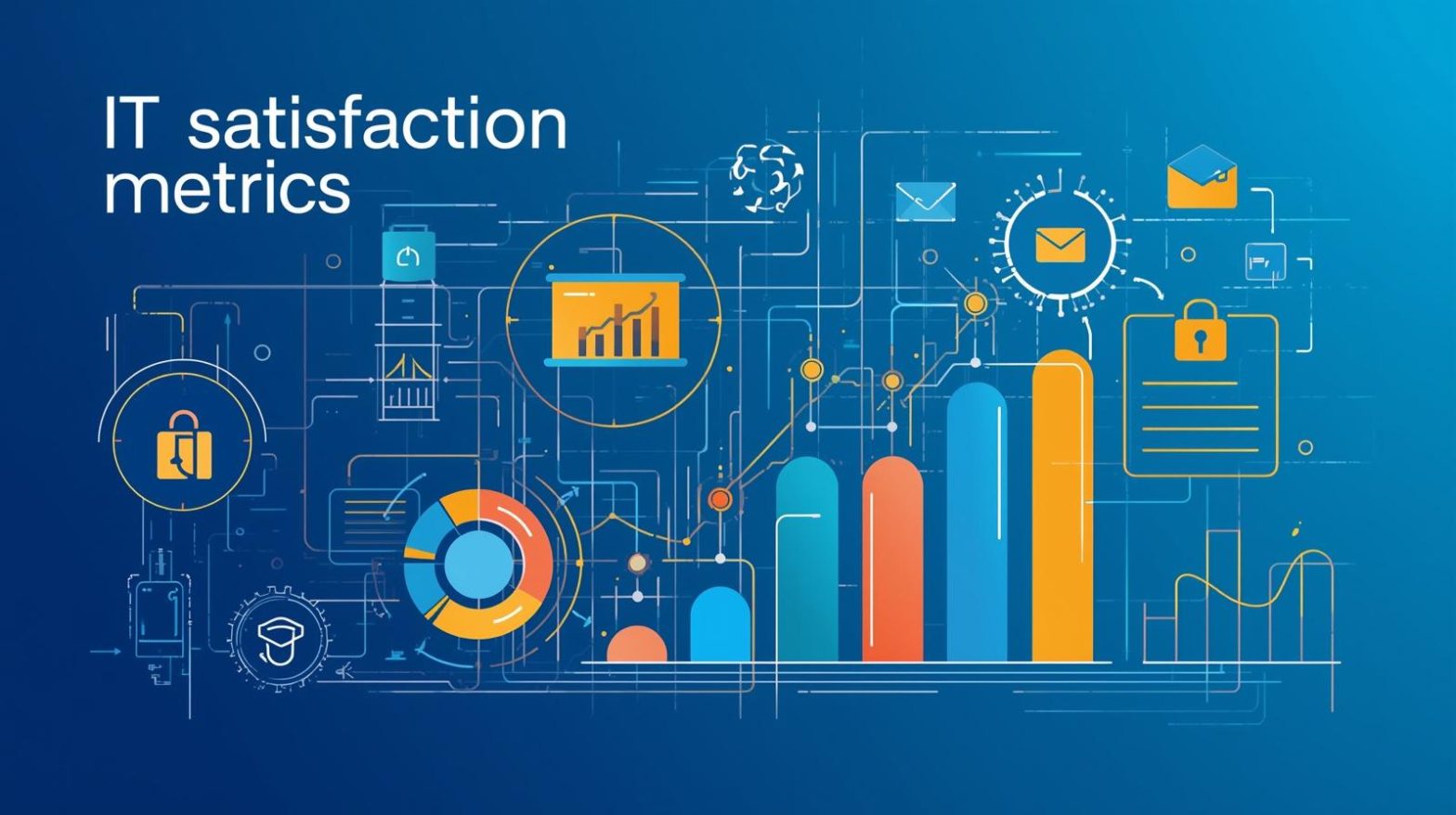
Every organization depends on technology to maintain productivity, security, and business continuity. Yet even the most advanced IT infrastructure can fail to deliver value if employees, customers, or stakeholders are dissatisfied with the services they receive. Slow support responses, recurring outages, unresolved tickets, and poor communication can quickly damage trust in IT teams. This is why IT satisfaction metrics have become critical for organizations seeking to improve service quality and operational efficiency. Businesses now use IT service management (ITSM) tools, customer experience analytics, service desk reporting, and performance monitoring platforms to measure and improve user satisfaction. For cybersecurity professionals, IT managers, MSPs, and business leaders, IT satisfaction metrics provide valuable insights that help align technology services with business expectations and operational goals.
Understanding IT Satisfaction Metrics
IT satisfaction metrics are measurable indicators used to evaluate how users perceive IT services, support quality, and overall technology performance. These metrics help organizations identify strengths, weaknesses, and opportunities for operational improvement.
Unlike purely technical performance indicators, IT satisfaction metrics focus on the user experience.
Common Areas Measured
Organizations often evaluate:
- Service desk responsiveness
- Ticket resolution quality
- System reliability
- Communication effectiveness
- User productivity impact
- Support professionalism
- Technology usability
By analyzing these areas, businesses gain a clearer understanding of how IT services affect operational performance and employee satisfaction.
Why IT Satisfaction Metrics Matter
Technology services influence every part of modern business operations. Poor service experiences can reduce productivity, create frustration, and weaken trust in IT teams.
Improving User Experience
Satisfied users work more efficiently and experience fewer disruptions.
Supporting Business Goals
High-quality IT services contribute directly to organizational productivity.
Strengthening IT Accountability
Metrics provide measurable evidence of operational performance.
Reducing Downtime Impact
Faster issue resolution improves business continuity.
Enhancing Decision-Making
Leadership teams use data-driven insights to improve technology investments.
For CEOs and IT leaders, IT satisfaction metrics help connect technical operations with broader business outcomes.
Key IT Satisfaction Metrics Organizations Should Track
Several metrics provide valuable insight into service quality and operational effectiveness.
Customer Satisfaction Score (CSAT)
CSAT measures how satisfied users are after receiving IT support or services.
Organizations usually collect this data through short post-service surveys.
Net Promoter Score (NPS)
NPS measures how likely users are to recommend IT services to others.
This metric helps evaluate long-term trust and confidence.
First Response Time
This metric tracks how quickly support teams respond to incidents or requests.
Faster responses generally improve user satisfaction.
Mean Time to Resolution (MTTR)
MTTR measures how long it takes to fully resolve support issues.
Lower resolution times often lead to better service experiences.
Ticket Reopen Rate
This metric identifies unresolved or poorly handled incidents.
High reopen rates may indicate support quality problems.
Service Availability
Users expect systems and applications to remain accessible consistently.
Availability metrics measure operational uptime and reliability.
Self-Service Adoption Rate
Organizations monitor how often users solve problems through knowledge bases or automation tools.
Higher adoption often improves satisfaction while reducing support workloads.
Relationship Between IT Satisfaction and Cybersecurity
Cybersecurity performance directly affects user confidence and operational trust.
Secure Systems Improve Confidence
Employees feel more comfortable using secure and stable systems.
Reduced Security Incidents
Fewer cyberattacks minimize operational disruptions.
Faster Threat Response
Quick incident resolution improves organizational resilience.
Compliance Visibility
Security reporting demonstrates accountability and operational maturity.
User Awareness Training
Educated employees contribute to stronger cybersecurity postures.
Strong cybersecurity operations positively influence overall IT satisfaction metrics.
Role of ITSM Platforms in Satisfaction Tracking
Modern IT service management platforms simplify satisfaction measurement.
Centralized Ticket Tracking
ITSM systems organize support requests efficiently.
Automated Survey Distribution
Organizations gather feedback immediately after issue resolution.
Real-Time Reporting
Dashboards provide visibility into service trends and user experiences.
Workflow Automation
Automation improves consistency and reduces delays.
SLA Monitoring
ITSM platforms help organizations meet service-level agreements consistently.
These capabilities allow organizations to improve service quality through continuous measurement and optimization.
How MSPs Use IT Satisfaction Metrics
Managed service providers rely heavily on satisfaction metrics to maintain customer relationships and operational performance.
Measuring Client Experience
MSPs monitor customer satisfaction across multiple clients.
Improving Service Delivery
Feedback identifies operational weaknesses and improvement opportunities.
Supporting Contract Renewals
Positive satisfaction scores strengthen client retention.
Demonstrating Value
Performance reporting helps MSPs prove service effectiveness.
Reducing Escalations
Better support quality minimizes complaints and operational friction.
For MSPs, IT satisfaction metrics directly influence reputation, retention, and profitability.
Best Practices for Improving IT Satisfaction Metrics
Organizations should follow structured strategies to improve service quality and user experiences.
Prioritize Communication
Keep users informed during incidents and support requests.
Automate Repetitive Tasks
Automation improves response speed and consistency.
Reduce Ticket Resolution Times
Faster issue handling increases satisfaction significantly.
Improve Self-Service Resources
Knowledge bases help users solve common problems independently.
Conduct Regular Feedback Surveys
Continuous feedback identifies emerging operational issues.
Monitor Employee Experience
Internal user satisfaction is equally important as customer satisfaction.
Align IT Goals with Business Needs
Technology services should support broader organizational objectives.
Consistent optimization improves both operational performance and user trust.
Common Challenges in Measuring IT Satisfaction
Many organizations struggle to gather meaningful satisfaction insights.
Low Survey Participation
Users may ignore feedback requests.
Inconsistent Data Collection
Poorly structured surveys reduce reporting accuracy.
Overemphasis on Technical Metrics
Technical uptime alone does not reflect user experience quality.
Delayed Feedback Analysis
Organizations sometimes fail to act on collected data quickly.
Subjective User Responses
Different users evaluate service experiences differently.
Addressing these challenges requires structured processes and continuous operational improvements.
Importance of Employee Experience in IT Satisfaction
Employee experience has become a major focus area for IT teams.
Remote Workforce Expectations
Hybrid employees expect seamless access to systems and support.
Device Performance
Slow devices negatively affect productivity and satisfaction.
Collaboration Tools
Reliable communication platforms improve operational efficiency.
Fast Incident Resolution
Quick support reduces employee frustration.
Digital Workplace Optimization
Organizations increasingly prioritize user-centered technology experiences.
Improving employee experience directly strengthens IT satisfaction metrics.
Measuring Satisfaction Across Different Industries
Different industries prioritize unique operational requirements.
Healthcare
Healthcare organizations focus on uptime, compliance, and secure access.
Financial Services
Banks require rapid support and strong cybersecurity operations.
Retail
Retail businesses prioritize reliable transaction systems and customer-facing technologies.
Education
Educational institutions need dependable digital learning platforms.
Manufacturing
Manufacturers depend on operational technology reliability and infrastructure uptime.
Industry-specific priorities influence how organizations evaluate IT satisfaction metrics.
Role of AI and Automation in IT Satisfaction
Artificial intelligence and automation continue transforming service management.
Predictive Support
AI identifies issues before users experience disruptions.
Intelligent Ticket Routing
Automation sends tickets to the appropriate support teams faster.
Chatbots and Virtual Assistants
Users receive instant responses to common requests.
Automated Incident Resolution
Certain issues are resolved without technician involvement.
Advanced Analytics
AI analyzes feedback trends and operational performance data.
These technologies improve operational speed, consistency, and user satisfaction.
Future Trends in IT Satisfaction Metrics
IT service measurement continues evolving rapidly.
Experience-Level Agreements (XLAs)
Organizations are shifting beyond traditional SLAs toward user experience measurements.
Unified Digital Experience Monitoring
Businesses monitor employee interactions across applications and devices.
Predictive Experience Analytics
AI will forecast user satisfaction risks proactively.
Integrated Security and Service Reporting
Cybersecurity and service performance metrics will become more closely connected.
Real-Time Sentiment Analysis
Organizations will analyze user feedback instantly to improve responsiveness.
These trends will help organizations deliver more personalized and proactive IT services.
Actionable Tips for Improving IT Satisfaction Metrics
Organizations seeking stronger service performance should focus on practical improvements.
- Reduce average ticket response times
- Implement automated service workflows
- Use centralized ITSM platforms
- Improve internal communication during incidents
- Expand self-service knowledge bases
- Continuously monitor employee experience
- Analyze survey results regularly
- Train support teams on customer service best practices
Small operational improvements often create major gains in satisfaction and efficiency.
Frequently Asked Questions
Q1: What are IT satisfaction metrics?
IT satisfaction metrics measure how users perceive IT support, services, and operational performance.
Q2: Why are IT satisfaction metrics important?
They help organizations improve service quality, operational efficiency, and user experience.
Q3: What is the difference between CSAT and NPS?
CSAT measures immediate satisfaction after support interactions, while NPS measures long-term trust and loyalty.
Q4: How do ITSM platforms support satisfaction measurement?
ITSM platforms automate surveys, monitor service performance, and provide centralized reporting dashboards.
Q5: How can organizations improve IT satisfaction metrics?
Organizations can improve metrics through automation, faster support responses, better communication, and continuous feedback analysis.
Final Thoughts
IT satisfaction metrics are essential for organizations that want to improve service quality, operational efficiency, and user trust in today’s technology-driven business environment. Technical performance alone is no longer enough. Employees, customers, and stakeholders expect reliable systems, fast support, secure operations, and positive service experiences. By combining ITSM platforms, automation, cybersecurity visibility, and continuous feedback analysis, organizations can strengthen both operational performance and user satisfaction. For IT managers, MSPs, cybersecurity professionals, and business leaders, focusing on IT satisfaction metrics creates stronger business alignment, improved employee productivity, and long-term operational resilience.
Move your operations forward — get started with your free ITarian trial


 Loading...