Effective IT Audit Reporting for Stronger Security and Compliance
Updated on March 12, 2026, by ITarian
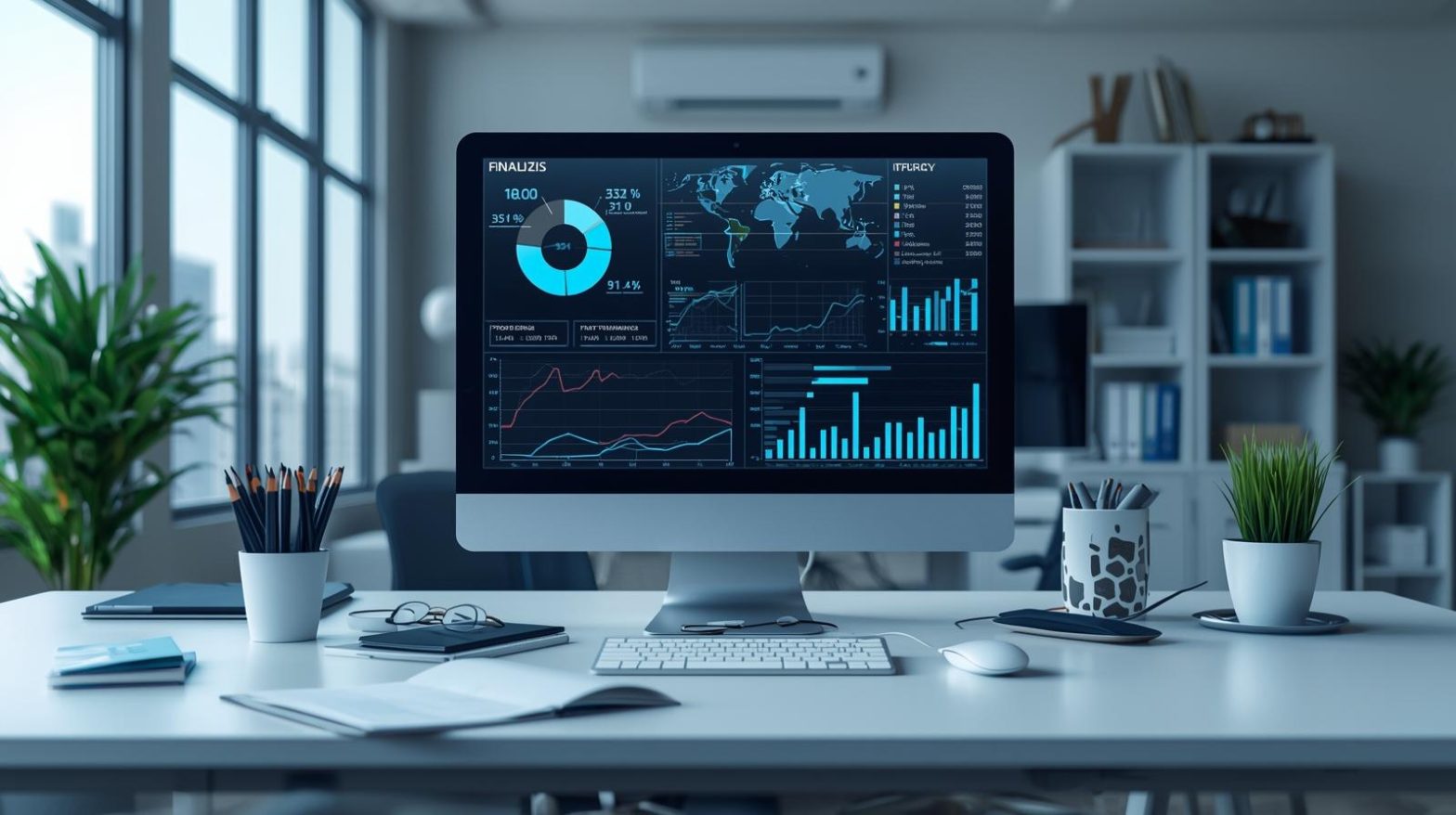
Do you truly know whether your organization’s IT systems meet security and compliance standards? Many businesses assume their infrastructure is secure until an audit reveals gaps in policies, access controls, or patch management. IT audit reporting plays a crucial role in identifying these weaknesses and ensuring organizations maintain strong governance across their technology environments.
For cybersecurity professionals, IT managers, CEOs, and founders, IT audit reporting provides a structured method to evaluate systems, document security controls, and verify compliance with industry regulations. As organizations increasingly depend on digital infrastructure, transparent reporting becomes essential for risk management and operational accountability.
With comprehensive IT audit reporting, companies gain clear visibility into system performance, security posture, and policy adherence. This insight enables leadership teams to make informed decisions while strengthening organizational resilience.
Understanding the Role of IT Audit Reporting
IT audit reporting refers to the process of documenting findings from a formal evaluation of an organization’s technology systems, policies, and controls. The report summarizes audit results, identifies vulnerabilities, and recommends improvements.
An IT audit examines several critical areas, including:
-
Infrastructure security
-
Access control management
-
Data protection policies
-
Software updates and patching
-
Network configuration and monitoring
-
Compliance with regulatory standards
Once the audit is completed, the findings are compiled into a detailed IT audit reporting document. This report provides stakeholders with a clear understanding of the organization’s technology risks and operational effectiveness.
For decision-makers, the report acts as a roadmap for strengthening security and improving governance.
Why IT Audit Reporting Is Essential for Organizations
Organizations today face constant cybersecurity threats and increasing regulatory requirements. Without proper oversight, IT systems may develop vulnerabilities that go unnoticed.
IT audit reporting helps organizations address these challenges by providing structured insights into system performance and compliance.
Key reasons IT audit reporting is essential include:
-
Ensuring regulatory compliance
-
Identifying security vulnerabilities
-
Improving operational transparency
-
Strengthening risk management strategies
-
Supporting strategic technology planning
When IT audit reporting is performed regularly, organizations gain continuous awareness of their IT environment. This awareness allows leaders to take proactive action before problems escalate.
Key Components of an Effective IT Audit Report
A well-structured IT audit reporting document should provide comprehensive and actionable insights. It must clearly communicate findings to both technical teams and business leaders.
Common components of IT audit reporting include:
Audit Scope
The report begins by defining the scope of the audit. This section explains which systems, departments, and policies were evaluated.
Methodology
This section outlines how the audit was conducted, including tools used, evaluation frameworks, and testing procedures.
Findings and Observations
Auditors present discovered issues, vulnerabilities, and areas of concern within the IT infrastructure.
Risk Assessment
Each finding is categorized based on its severity and potential impact on the organization.
Recommendations
The report provides actionable suggestions to address weaknesses and strengthen security controls.
By presenting these components clearly, IT audit reporting becomes a valuable strategic resource.
How IT Audit Reporting Strengthens Cybersecurity
Cybersecurity threats are becoming more sophisticated every year. Organizations need visibility into potential weaknesses within their systems.
IT audit reporting contributes to stronger cybersecurity by identifying vulnerabilities that may otherwise remain hidden.
Examples include:
-
Misconfigured firewall settings
-
Weak access controls
-
Unpatched software vulnerabilities
-
Insecure network architecture
-
Inadequate monitoring systems
When these issues are documented through IT audit reporting, organizations can address them before attackers exploit them.
Regular audits also reinforce security best practices across the organization.
Supporting Regulatory Compliance Through IT Audit Reporting
Regulatory compliance is a major concern for many industries, especially those handling sensitive data.
Frameworks such as:
-
GDPR
-
HIPAA
-
PCI DSS
-
ISO 27001
-
SOC 2
require organizations to demonstrate strong governance and security controls.
IT audit reporting provides documented evidence that systems are monitored, policies are enforced, and risks are managed effectively.
Compliance officers often rely on audit reports to prepare for regulatory reviews and external inspections.
Without structured IT audit reporting, proving compliance becomes significantly more difficult.
The Importance of Automation in IT Audit Reporting
Manual auditing processes can be time-consuming and prone to errors. Modern IT environments generate large volumes of data that must be analyzed efficiently.
Automation tools help streamline IT audit reporting by collecting data automatically from endpoints, networks, and security systems.
Automated reporting platforms provide several advantages:
-
Faster data collection
-
Real-time compliance monitoring
-
Accurate vulnerability detection
-
Reduced administrative workload
-
Continuous auditing capabilities
Automation ensures that IT audit reporting remains up to date even as infrastructure changes rapidly.
For large organizations, automated auditing tools are essential for maintaining visibility across complex environments.
Best Practices for Implementing IT Audit Reporting
Organizations should follow several best practices to maximize the value of IT audit reporting.
First, establish clear audit objectives aligned with business and security goals.
Second, perform audits regularly rather than waiting for regulatory deadlines.
Third, integrate audit reporting with cybersecurity monitoring platforms.
Fourth, ensure reports are accessible to both technical teams and executive leadership.
Finally, track progress on remediation efforts identified in previous audit reports.
Following these practices ensures IT audit reporting becomes a continuous improvement process rather than a one-time activity.
Common Challenges in IT Audit Reporting
Despite its importance, organizations often encounter challenges when implementing effective IT audit reporting.
One common issue is incomplete asset visibility. Without knowing all systems connected to the network, auditors may miss critical vulnerabilities.
Another challenge involves data overload. Large organizations generate extensive logs and system data that must be analyzed carefully.
Communication gaps can also occur when technical findings are difficult for business leaders to interpret.
Addressing these challenges requires better automation, standardized frameworks, and clear reporting formats.
With the right tools and processes, organizations can overcome these obstacles.
The Future of IT Audit Reporting
Technology is rapidly transforming the way organizations conduct IT audits. Emerging innovations are improving the speed and accuracy of reporting.
Artificial intelligence and machine learning are beginning to analyze infrastructure data automatically to identify security risks.
Predictive analytics can forecast potential vulnerabilities before they impact systems.
Cloud-based auditing platforms enable centralized monitoring across distributed infrastructures.
These advancements will make IT audit reporting more proactive, allowing organizations to detect issues earlier and respond faster.
As cyber threats continue to evolve, advanced audit reporting capabilities will become increasingly valuable.
How IT Audit Reporting Supports Strategic IT Management
Beyond compliance and security, IT audit reporting also supports strategic decision-making.
Leadership teams can use audit findings to evaluate the effectiveness of technology investments and operational processes.
For example, audit reports may reveal:
-
Outdated infrastructure requiring modernization
-
Inefficient workflows affecting productivity
-
Security gaps that require additional investment
-
Opportunities to automate repetitive tasks
These insights help organizations align their IT strategy with broader business objectives.
When used strategically, IT audit reporting becomes a powerful management tool.
Frequently Asked Questions
1. What is IT audit reporting?
IT audit reporting is the process of documenting the results of an evaluation of an organization’s technology systems, controls, and security policies.
2. Why is IT audit reporting important for cybersecurity?
It identifies vulnerabilities, misconfigurations, and weaknesses in IT infrastructure that could lead to security breaches.
3. How often should organizations perform IT audits?
Many organizations conduct audits annually, but high-risk environments may perform them quarterly or continuously.
4. Can IT audit reporting help with compliance requirements?
Yes. Audit reports provide documentation demonstrating that security controls and governance policies are properly implemented.
5. What tools support automated IT audit reporting?
Modern IT management platforms, security monitoring systems, and endpoint management tools often provide automated auditing capabilities.
Final Thoughts
IT audit reporting plays a vital role in maintaining secure, compliant, and efficient technology environments. By systematically evaluating infrastructure, documenting risks, and providing actionable recommendations, organizations gain the insights needed to strengthen governance and cybersecurity. As digital infrastructures grow more complex, consistent and well-structured audit reporting becomes essential for protecting systems and maintaining trust.
Enhance your visibility and streamline IT oversight — Move your operations forward — get started with your free ITarian trial


 Loading...