The Future of Productivity with an AI Task Manager
Updated on December 15, 2025, by ITarian
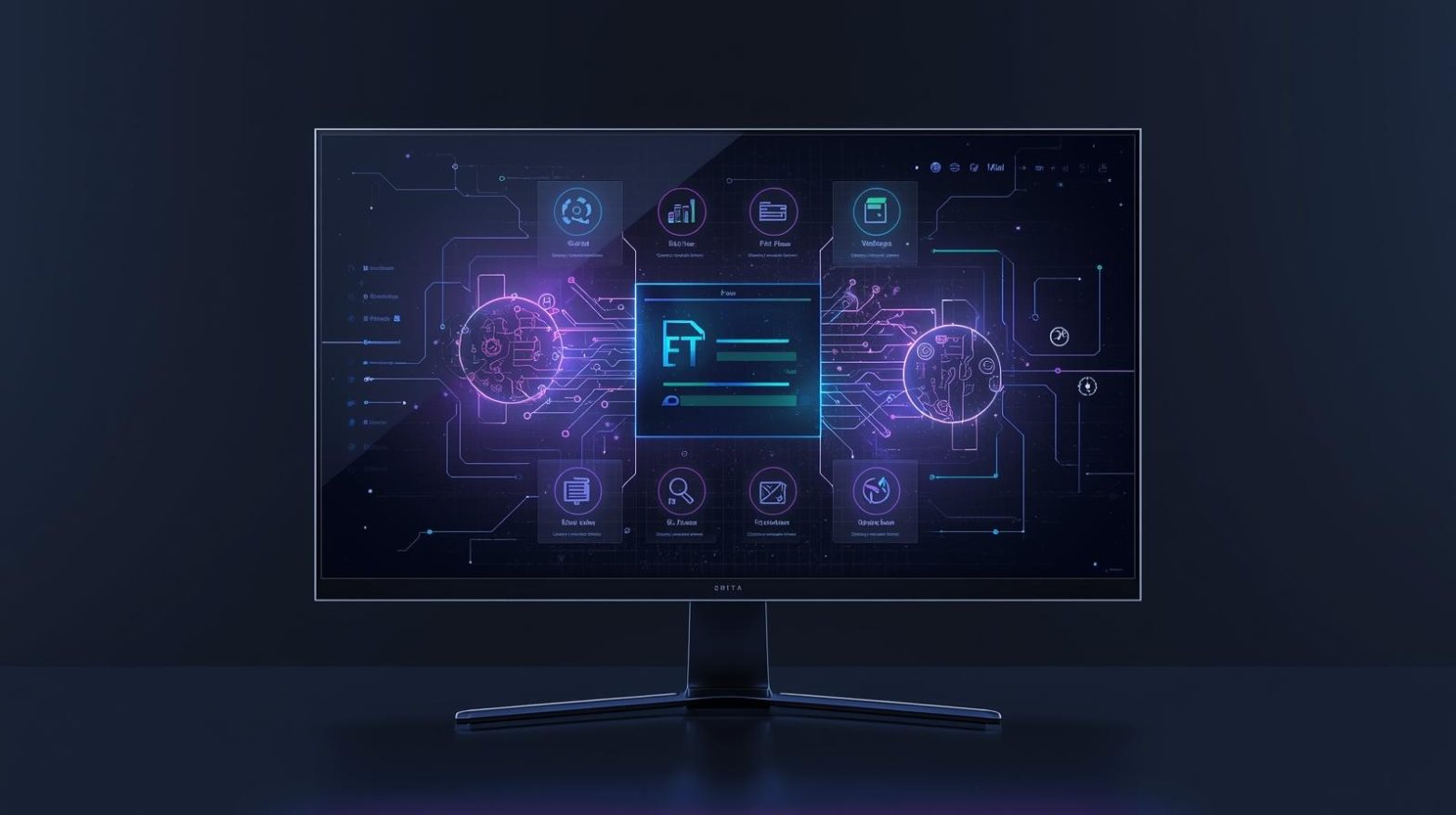
Staying organized, prioritizing critical tasks, and managing workloads efficiently can be challenging for IT teams, cybersecurity professionals, and enterprise leaders. As digital environments continue to grow in complexity, relying only on traditional task management tools is no longer enough. That’s why many organizations are exploring the benefits of an AI task manager, a system designed to automate planning, improve prioritization, and eliminate bottlenecks across teams. This article explores what an AI task manager is, how it works, and why organizations are increasingly adopting it in today’s fast-paced IT environment.
An AI task manager not only helps teams organize workloads but also maximizes productivity by recommending ideal schedules, predicting roadblocks, and optimizing resource allocation. For IT managers who must juggle security tasks, incident responses, project deadlines, and device oversight, AI-driven task management brings structure, speed, and intelligence that traditional tools can’t match.
What Is an AI Task Manager
An AI task manager is a smart, automated system that uses artificial intelligence to plan, prioritize, assign, and streamline tasks. Instead of relying on manual input or static to-do lists, AI-based task managers dynamically adjust work queues based on real-time data, user behavior, deadlines, and system requirements.
These systems are designed specifically for high-demand environments where accuracy, efficiency, and adaptability matter, such as IT operations, cybersecurity monitoring, MSP workflows, and enterprise project management.
AI-driven task managers help remove manual effort by handling:
-
Task sorting and scheduling
-
Priority identification
-
Workflow automation
-
Predictive task recommendations
-
Performance analytics
-
Deadline optimization
-
Incident escalation
For IT professionals, this reduces operational stress and increases the successful delivery of daily tasks and long-term projects.
Why IT Teams Need an AI Task Manager
In cybersecurity and IT operations, inefficiency is costly. Small delays can cause large vulnerabilities, and mismanaged workloads lead to miscommunication, errors, and downtime. An AI task manager helps eliminate these challenges by providing intelligent decision-making and workflow consistency.
Key Benefits for Modern IT Teams
An AI task manager offers several advantages that traditional systems cannot deliver.
1. Smart Prioritization for Critical IT Work
AI evaluates tasks based on urgency, complexity, risk level, and dependencies. For example, if a security alert requires immediate attention, the AI moves it to the top of the priority list and reallocates resources accordingly.
This ensures IT teams always focus on what matters most.
2. Automated Scheduling and Workflow Management
Instead of manually assigning tasks, AI automatically handles:
-
Task distribution
-
Deadline reminders
-
Schedule adjustments
-
Resource balancing
For IT departments that manage 24/7 operations, this automation reduces human workload and improves consistency.
3. Data-Driven Decision Making
AI analyzes historical task patterns to predict workload spikes, identify inefficiencies, and recommend process improvements. These insights help IT leaders optimize staffing, plan ahead, and reduce system downtime.
4. Reduced Operational Errors
Automation eliminates common manual errors such as:
-
Missed deadlines
-
Duplicate tasks
-
Miscommunication
-
Incorrect task assignment
With fewer mistakes, systems remain secure and workflows stay efficient.
5. Enhanced Collaboration Across Teams
AI task managers centralize all communication, documentation, and task updates. This allows teams to stay aligned—even when operating remotely or across multiple departments.
6. Faster Incident Response
For security and endpoint management teams, speed is everything. AI can automatically categorize incidents, assign them to the right specialists, and notify responsible teams instantly.
This leads to improved response times and better security posture.
How an AI Task Manager Works
An AI task manager uses machine learning, automation rules, and contextual data to streamline daily operations. Here’s how it typically functions:
1. Input Collection
The system gathers information from:
-
Ticketing systems
-
Email
-
Chat tools
-
Monitoring solutions
-
User behavior
-
Calendar data
This helps AI understand workloads and relationships between tasks.
2. Task Categorization
AI analyzes tasks and classifies them into logical categories such as:
-
Security alerts
-
Maintenance tasks
-
Software updates
-
User requests
-
Compliance tasks
-
Meeting deadlines
This organization provides structure and clarity.
3. Intelligent Prioritization
Based on urgency, workload, dependencies, and deadlines, AI automatically adjusts the order of tasks. Teams no longer need to manually determine which task should come first.
4. Automated Task Assignment
AI assigns tasks based on skills, availability, and role requirements. This ensures balanced workloads and more efficient task delegation.
5. Ongoing Optimization
AI continuously learns from user behavior and past performance to improve task recommendations and scheduling accuracy.
Essential Features of an AI Task Manager
A modern AI task manager typically includes:
• Predictive task scheduling
Automatically recommends ideal time slots for tasks based on work patterns.
• Priority ranking
Ensures critical incidents or security threats are addressed immediately.
• Workflow automation
Handles repetitive tasks like notifications, approvals, or compliance checklists.
• Smart reminders
Prevents deadlines from slipping through the cracks.
• Collaboration tools
Centralized communication ensures everyone stays aligned.
• Task dependencies
AI understands connections between tasks and schedules them accordingly.
• Resource optimization
Ensures no team member is overloaded or underutilized.
AI Task Manager Use Cases in IT and Cybersecurity
AI task managers serve a wide variety of use cases, especially for IT and security-driven teams.
1. Vulnerability Remediation
AI helps prioritize vulnerabilities based on severity, exposure, and business risk.
2. Patch Management Workflow
Automated reminders ensure patches are applied on time and tracked effectively.
3. Ticket Triage for Help Desk Teams
AI categorizes, routes, and escalates support tickets in real time.
4. Compliance and Documentation
AI can automate:
-
Audit task reminders
-
Report generation
-
Compliance checklists
5. Cybersecurity Incident Management
AI ensures alerts are assigned to the right analysts with no delays.
6. System Monitoring and Alerts
AI predicts potential system failures and creates preemptive tasks.
How AI Task Managers Improve Enterprise Productivity
Modern enterprises rely on technology-driven workflows. An AI task manager transforms operational efficiency by:
-
Reducing manual workload
-
Improving accuracy
-
Enhancing transparency
-
Ensuring consistent follow-through
-
Optimizing employee output
This empowers IT managers and cybersecurity professionals to focus on strategic initiatives rather than administrative tasks.
Challenges of Traditional Task Management Without AI
Using outdated tools often leads to:
-
Task overload
-
Missed deadlines
-
Poor prioritization
-
Manual errors
-
Inefficient communication
-
Overburdened IT teams
AI eliminates these limitations with automation, intelligence, and predictive capabilities.
Choosing the Right AI Task Manager for Your Organization
Before selecting an AI task manager, consider:
-
Integration options with your existing systems
-
Ease of use and user experience
-
Automation triggers and customization
-
Data privacy and security
-
Scalability for enterprise needs
-
Reporting and analytics capabilities
The right platform should adapt to your organization’s workflow—not the other way around.
FAQs About AI Task Managers
1. What is an AI task manager?
An AI task manager is a tool that uses artificial intelligence to automate scheduling, prioritization, task assignment, and workflow optimization.
2. Who benefits from AI-driven task management?
IT teams, cybersecurity experts, MSPs, enterprise managers, and any business that handles high volumes of tasks or complex operations.
3. Does an AI task manager replace human decision-making?
No. AI supports decision-making by offering recommendations and automating repetitive tasks, but humans remain in full control.
4. Is an AI task manager secure?
Modern AI task management tools use encrypted data handling, access controls, and security protocols suitable for enterprise environments.
5. Can AI help reduce IT workload?
Yes. AI automates repetitive work, improves scheduling accuracy, and eliminates manual bottlenecks.
Final Thoughts
As IT environments grow more complex, organizations need smarter ways to manage workloads and maintain productivity. An AI task manager brings the intelligence, automation, and efficiency required to stay ahead in fast-moving technical environments. From prioritizing security tasks to streamlining workflows across teams, AI has become an essential asset for modern IT operations.
Take control of your workflow efficiency starting today — Begin your free ITarian trial today to automate task management, reduce manual effort, and boost productivity across every device you manage.

 (1 votes, average: 4.00 out of 5)
 Loading...