Strengthening IT Protection with Advanced Endpoint Security Service
Updated on December 4, 2025, by ITarian

As cyber threats continue to evolve, organizations need more than traditional antivirus or basic security tools. A modern endpoint security service delivers a layered, comprehensive approach to securing every device—laptops, desktops, mobile phones, tablets, and even IoT systems. Within the first hundred words, it becomes clear that endpoint protection has become a foundational requirement for IT managers, cybersecurity teams, and enterprise leaders who must defend against ransomware, data breaches, phishing attacks, and zero-day vulnerabilities.
In today’s distributed workplaces, endpoints are exposed to more risks than ever. Whether employees work remotely, operate in hybrid environments, or access cloud applications from multiple devices, attackers continuously search for weak points. A robust endpoint security service solves this challenge by offering centralized visibility, automated threat detection, and continuous protection around the clock.
This article explores what endpoint security service means, why it’s essential, how it works, what features matter most, and how organizations can build a strong security framework to protect all devices.
Understanding What an Endpoint Security Service Includes
Endpoint security service is more than just a software tool. It is a combination of technologies, policies, and processes that secure endpoints against unauthorized access and cyber threats. The goal is to prevent malware infections, block suspicious behavior, detect abnormal activity, and respond quickly to potential breaches.
Key components typically include:
-
Endpoint detection and response (EDR)
-
Anti-malware and threat prevention
-
Behavioral analysis tools
-
Device encryption
-
Access control enforcement
-
Patch and vulnerability management
-
Threat intelligence integration
-
Continuous monitoring
-
Automated remediation capabilities
An endpoint security service acts as the first—and often strongest—line of defense in modern cybersecurity.
Why Endpoint Security Service Is Essential for Enterprises Today
Cybersecurity threats are no longer limited to corporate networks. Attackers frequently target individual devices with phishing, ransomware, and zero-day exploits. A single compromised endpoint can provide access to sensitive data or entire network systems.
Reasons endpoint security service is now indispensable:
-
Increased remote work and device mobility
-
Rising frequency of ransomware attacks
-
Greater dependency on cloud services
-
Expansion of IoT and unmanaged devices
-
Regulatory compliance requirements
-
Sophisticated cyberattacks targeting endpoint vulnerabilities
As a result, endpoint protection is one of the most important investments any organization can make.
How Endpoint Security Service Works in Practice
Endpoint security solutions function by continuously monitoring device behavior, blocking unauthorized actions, assessing vulnerabilities, and responding to threats in real time.
Core operational steps include:
-
Prevention: Scans files, apps, and URLs to block known threats
-
Detection: Uses behavioral analytics to identify suspicious activity
-
Response: Automatically isolates the device or removes malicious files
-
Recovery: Restores affected systems and ensures safe operations
-
Reporting: Provides insights and alerts to IT and security teams
This combination of prevention, detection, and response builds a resilient foundation to protect devices across all environments.
Types of Threats Endpoint Security Service Protects Against
Modern endpoint threats are diverse and increasingly complex. A strong endpoint security service defends against:
-
Ransomware
-
Malware and viruses
-
Phishing-based payloads
-
Trojans and worms
-
Insider threats
-
Credential theft
-
Keyloggers
-
Drive-by downloads
-
Unpatched vulnerabilities
-
Zero-day exploits
By offering both traditional and advanced security capabilities, endpoint security services dramatically reduce the attack surface.
Key Features of an Effective Endpoint Security Service
Not all endpoint security solutions are the same. Organizations must evaluate features carefully to ensure they meet current and future cybersecurity needs.
Below are the most important features:
Endpoint Detection and Response (EDR)
EDR provides continuous monitoring, advanced analysis, and real-time response. It identifies suspicious activity based on behavior rather than signatures.
EDR capabilities include:
-
Threat hunting
-
Anomaly detection
-
Incident response automation
-
Device isolation
-
In-depth forensic analysis
EDR is essential for stopping threats that traditional antivirus cannot detect.
Device and Data Encryption
Encryption protects sensitive data even if a device is stolen or compromised. Full-disk and file-level encryption add a critical layer of protection.
Benefits include:
-
Prevents unauthorized data access
-
Ensures compliance with data privacy laws
-
Secures data during device loss
Without encryption, endpoint data is vulnerable.
Patch and Vulnerability Management
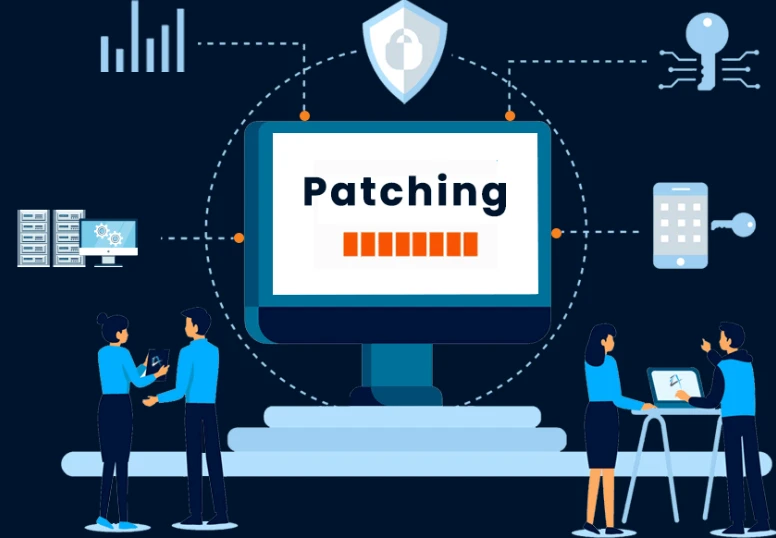
Many cyberattacks exploit known vulnerabilities that remain unpatched. A strong endpoint security service integrates patch management to reduce risks.
Patch management tasks include:
-
Identifying missing patches
-
Assessing patch priority
-
Automating deployment
-
Reporting compliance
This ensures all endpoints remain updated and secure.
Application Control and Whitelisting
Attackers often use unauthorized applications or scripts to compromise devices. Application control restricts what can run on endpoints.
Key benefits:
-
Blocks risky or unknown apps
-
Reduces exposure to malware
-
Enforces trusted applications only
Whitelisting is one of the strongest forms of endpoint protection.
Threat Intelligence Integration
Threat intelligence provides real-time insights into emerging threats, malicious IPs, and new attack techniques.
This helps security teams:
-
Detect attacks faster
-
Prevent known malicious activity
-
Stay ahead of evolving threats
It improves both speed and accuracy in threat detection.
Automated Remediation and Response
Quick action prevents small threats from escalating into larger incidents. Automation ensures rapid containment.
Automation supports:
-
Device isolation
-
Malware removal
-
Registry cleanup
-
Process termination
-
Rollback to safe device state
This reduces dependency on manual intervention.
Centralized Dashboard and Reporting
Visibility is critical for IT and cybersecurity teams. Centralized dashboards allow administrators to:
-
Track device health
-
Review alerts
-
Monitor compliance
-
Analyze trends
-
Generate audit-ready reports
Without centralized visibility, security gaps often go unnoticed.
Benefits of Implementing a Strong Endpoint Security Service
Endpoint security services deliver several high-value benefits across all industry environments.
Benefits include:
-
Reduced risk of cyberattacks
-
Stronger data protection
-
Higher productivity for remote teams
-
More efficient IT operations
-
Regulatory compliance
-
Improved threat detection and response
-
Lower long-term security costs
These outcomes make endpoint protection essential for operational resilience.
Endpoint Security Service in Remote and Hybrid Work Environments
With remote work becoming permanent for many organizations, endpoints outside the corporate network need continuous protection.
Endpoint security benefits remote teams by:
-
Securing devices on public Wi-Fi
-
Monitoring cloud access
-
Enforcing remote policies
-
Protecting data in motion and at rest
As the workforce becomes more mobile, endpoint security becomes fundamental for protecting distributed systems.
Endpoint Security Service vs Traditional Antivirus
Many organizations mistakenly believe antivirus is sufficient. In reality, antivirus is only one part of a much larger security framework.
Major differences include:
| Feature | Traditional Antivirus | Endpoint Security Service |
|---|---|---|
| Coverage | Malware scanning only | Full system protection |
| Detection | Signature-based | Behavior + analytics |
| Response | Limited | Automated and real-time |
| Visibility | Minimal | Centralized dashboard |
| Updates | Manual or scheduled | Continuous |
Endpoint security is far more advanced and comprehensive.
Challenges in Endpoint Protection and How Services Solve Them
Organizations often face challenges such as:
-
Shadow IT
-
Device sprawl
-
Non-compliant users
-
Outdated software
-
Phishing attempts
-
Weak configurations
A strong endpoint security service solves these by providing:
-
Unified control
-
Automated enforcement
-
Real-time monitoring
-
AI-based threat analysis
-
Centralized privilege management
These capabilities help maintain consistent protection across complex environments.
Best Practices for Implementing Endpoint Security Service
To maximize protection, organizations should follow trusted cybersecurity best practices.
Recommended practices include:
-
Maintaining complete device inventory
-
Enforcing least-privilege access
-
Segmenting policies by user roles
-
Enabling MFA across endpoints
-
Automating patch and update management
-
Conducting periodic security audits
-
Training users on safe behaviors
-
Monitoring logs and alerts continuously
These practices help strengthen endpoint hygiene and minimize attack vectors.
The Role of Endpoint Security Service in Zero Trust Architecture
Zero Trust frameworks assume no device or user is inherently trustworthy. Endpoint security is essential for enforcing this principle.
Endpoint protection supports Zero Trust by:
-
Verifying device health
-
Enforcing access policies
-
Continuously monitoring behavior
-
Ensuring compliance before granting access
Zero Trust is becoming standard in modern enterprise security.
Endpoint Security for Compliance-Driven Industries
Industries such as healthcare, finance, education, government, and retail require strict endpoint controls.
Endpoint security service supports compliance for:
-
HIPAA
-
GDPR
-
PCI-DSS
-
FISMA
-
NIST
-
ISO 27001
-
CMMC
Organizations risk penalties without proper endpoint protection.
Frequently Asked Questions
1. What is an endpoint security service?
It is a system that protects devices from cyber threats using tools such as EDR, encryption, monitoring, and automated remediation.
2. Why is endpoint security important?
It reduces vulnerabilities, blocks attacks, protects data, and maintains compliance—especially with remote or hybrid work.
3. Does endpoint security replace antivirus?
Yes. Modern endpoint security includes antivirus but adds advanced monitoring, detection, and response capabilities.
4. Can endpoint security be automated?
Absolutely. Automation reduces human error, accelerates threat response, and improves consistency across all devices.
5. Which devices need endpoint security?
All devices—laptops, desktops, tablets, mobile phones, and IoT devices—must be protected to reduce risk.
Final Thoughts
An advanced endpoint security service is no longer optional—it is a critical necessity for any organization looking to protect data, prevent cyberattacks, and maintain operational efficiency. With evolving threats and the rise of remote work, businesses must adopt strong endpoint controls, AI-driven threat detection, and centralized monitoring to safeguard their systems.
If you’re ready to enhance device protection, simplify endpoint management, and strengthen your organization’s overall security posture, now is the perfect time to explore a modern solution.


 Loading...