Driving Scalable IT Services with a Modern MSP Software Platform
Updated on March 2, 2026, by ITarian

Can your current tools keep up with the growing demands of managed IT services? As businesses rely more heavily on technology, managed service providers must deliver faster support, stronger security, and consistent performance across multiple clients. An MSP software platform becomes the backbone of these operations. Without a centralized MSP software platform, providers struggle with fragmented tools, manual processes, and limited visibility.
For cybersecurity professionals, IT managers, and MSP executives, investing in a reliable MSP software platform is not just about convenience. It is about scalability, profitability, and long-term client trust. A unified platform allows service providers to monitor systems, automate tasks, secure endpoints, and manage service delivery from one environment.
What Is an MSP Software Platform
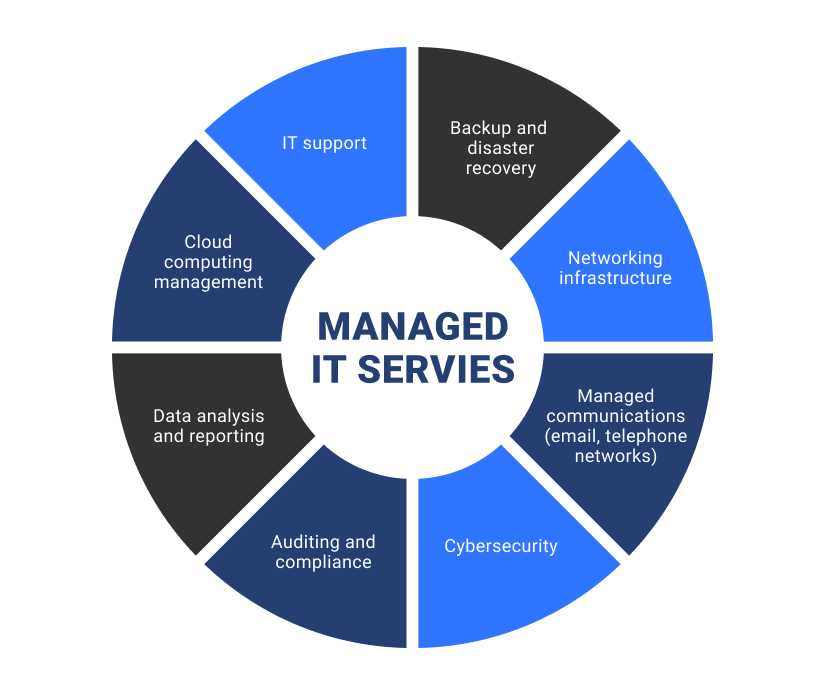
An MSP software platform is an integrated suite of tools designed specifically for managed service providers. It enables centralized monitoring, management, automation, reporting, and security across multiple client environments.
Instead of juggling disconnected systems, an MSP software platform brings together:
-
Remote monitoring and management (RMM)
-
Professional services automation (PSA)
-
Patch management
-
Endpoint security
-
Backup and disaster recovery integration
-
Help desk and ticketing systems
This unified approach improves operational efficiency and simplifies IT service delivery.
Why an MSP Software Platform Is Essential for Growth
Managed service providers operate in complex environments. Each client may use different operating systems, hardware, and applications. Without a cohesive MSP software platform, maintaining control becomes difficult.
A centralized platform delivers key benefits:
-
Single-pane-of-glass visibility across clients
-
Automated routine maintenance
-
Faster incident resolution
-
Enhanced cybersecurity enforcement
-
Improved reporting and compliance
As a result, providers can onboard new clients more efficiently and scale operations without increasing headcount proportionally.
Core Features of a High-Performing MSP Software Platform
Not all solutions offer the same capabilities. A powerful MSP software platform should include the following components.
Remote Monitoring and Management
RMM tools allow MSPs to monitor endpoints, servers, and network devices in real time. Continuous monitoring detects performance issues, downtime risks, and suspicious activity.
Automated alerts ensure technicians can respond quickly. This proactive approach reduces disruptions for clients.
Automated Patch Management
Unpatched systems are prime targets for cyberattacks. An MSP software platform should automate patch deployment across operating systems and third-party applications.
Automation reduces human error and ensures compliance with security standards.
Integrated Security Controls
Cybersecurity is central to modern IT services. A robust MSP software platform integrates antivirus, endpoint detection and response, firewall management, and vulnerability scanning.
By consolidating security tools, MSPs strengthen client protection while simplifying management.
Professional Services Automation
PSA modules help manage tickets, billing, contracts, and service-level agreements. Integration between RMM and PSA ensures seamless workflows from detection to resolution.
This coordination improves efficiency and revenue tracking.
Enhancing Cybersecurity with an MSP Software Platform
Cyber threats are growing more advanced. MSPs must protect not only their clients but also their own infrastructure.
An MSP software platform enhances security by:
-
Providing centralized policy enforcement
-
Identifying vulnerable endpoints
-
Detecting unusual network behavior
-
Automating remediation steps
-
Supporting compliance documentation
Centralized visibility allows MSPs to act before minor vulnerabilities become major breaches.
For CEOs and founders, this protection directly impacts client retention and brand reputation.
Improving Operational Efficiency Through Automation
Manual IT processes consume valuable technician time. Automation within an MSP software platform reduces repetitive tasks and improves consistency.
Examples of automation include:
-
Scheduled maintenance scripts
-
Automated system health checks
-
Remote troubleshooting tools
-
Self-healing endpoint actions
By reducing manual intervention, teams can focus on strategic initiatives instead of routine maintenance.
Automation also minimizes errors that can occur during repetitive processes.
Supporting Compliance and Reporting
Many industries operate under strict regulatory frameworks. Clients expect MSPs to provide documentation and reporting to meet compliance standards.
An MSP software platform simplifies compliance by generating detailed reports on:
-
Patch status
-
Endpoint health
-
Security incidents
-
Backup integrity
-
Access controls
These reports demonstrate accountability and transparency during audits.
For regulated industries such as healthcare or finance, this capability is especially valuable.
Scalability and Multi-Tenant Management
Scalability is a critical factor for MSP success. An MSP software platform must support multi-tenant architecture, allowing providers to manage multiple clients securely within one system.
Key scalability benefits include:
-
Role-based access controls
-
Client-specific dashboards
-
Segmented data environments
-
Customizable service packages
As the client base grows, the platform should maintain performance and reliability.
A scalable MSP software platform enables predictable growth without infrastructure bottlenecks.
Challenges When Selecting an MSP Software Platform
Choosing the right solution can be complex. Providers must evaluate features, pricing, integration capabilities, and vendor support.
Common challenges include:
-
Overlapping functionality with existing tools
-
Migration complexity
-
Staff training requirements
-
Cost management
To overcome these challenges, MSPs should define clear objectives and conduct structured evaluations.
Trial deployments and vendor demonstrations help assess usability and compatibility.
Best Practices for Implementation
Implementing an MSP software platform requires careful planning.
Start by auditing existing tools and workflows. Identify inefficiencies and integration gaps.
Develop a phased rollout plan. Introduce core features first, followed by advanced modules.
Provide team training to ensure proper adoption.
Finally, monitor performance metrics to evaluate effectiveness and identify optimization opportunities.
By following structured implementation steps, MSPs reduce disruption and maximize return on investment.
The Future of MSP Software Platforms
Technology continues to evolve rapidly. Future MSP software platforms will integrate artificial intelligence, predictive analytics, and deeper automation.
Emerging trends include:
-
AI-driven anomaly detection
-
Automated risk scoring
-
Predictive hardware failure alerts
-
Advanced integration with cloud platforms
-
Unified endpoint management
These advancements will further enhance efficiency and security.
MSPs that embrace innovation position themselves as trusted technology partners rather than reactive service providers.
Frequently Asked Questions
1. What is an MSP software platform?
An MSP software platform is an integrated solution that enables managed service providers to monitor, manage, and secure multiple client environments from one centralized system.
2. Why do MSPs need a centralized platform?
A centralized MSP software platform improves visibility, reduces manual work, strengthens cybersecurity, and supports scalable growth.
3. How does automation benefit MSP operations?
Automation reduces repetitive tasks, speeds up incident response, and ensures consistent policy enforcement across clients.
4. Can an MSP software platform improve client satisfaction?
Yes, faster issue resolution, proactive maintenance, and stronger security directly enhance client trust and retention.
5. What should MSPs look for when choosing a platform?
Key considerations include scalability, integration capabilities, security features, ease of use, and vendor support.
Final Thoughts
An MSP software platform is the foundation of efficient, secure, and scalable managed IT services. By unifying monitoring, automation, and security into a single environment, providers can deliver consistent performance while reducing operational complexity. In a competitive market, the right platform becomes a strategic advantage that supports growth and strengthens client relationships.
Drive smarter IT service delivery and long-term scalability — Optimize your workflows — activate your free ITarian trial

 Loading...