MSP Client Portal for Better IT Service Delivery
Updated on March 31, 2026, by ITarian
Are your clients constantly asking for updates on tickets, reports, or system performance? If so, your IT team may be spending more time answering questions than solving problems. An MSP client portal solves this challenge by giving clients direct access to information, services, and support in one centralized platform. For IT managers, cybersecurity professionals, and business leaders, this tool improves transparency, strengthens communication, and enhances overall service delivery. As managed service providers scale their operations, an MSP client portal becomes essential for maintaining efficiency, trust, and long-term client relationships.
What is an MSP Client Portal
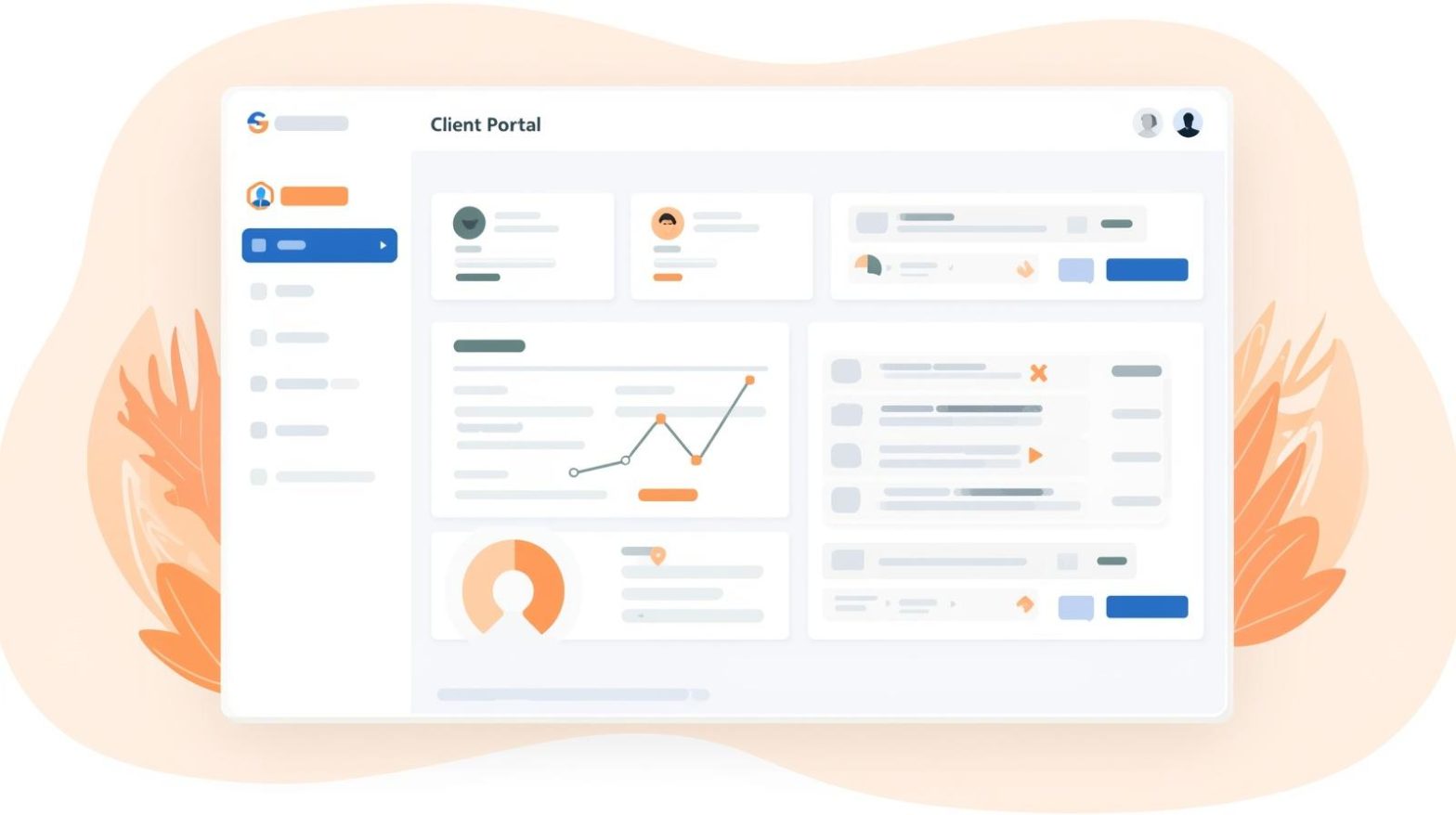
An MSP client portal is a web-based platform that allows clients to interact with their managed service provider in a structured and efficient way. It serves as a central hub where clients can submit requests, track tickets, access reports, and manage services.
Instead of relying on emails or calls, clients can use the portal to access real-time information and updates. This improves communication and reduces delays.
Key features of an MSP client portal include:
-
Ticket submission and tracking
-
Access to reports and analytics
-
Service request management
-
Knowledge base and documentation
-
Communication tools
-
Account and asset visibility
For MSPs managing multiple clients, this portal simplifies interactions and ensures consistent service delivery.
Why MSP Client Portals Matter in Modern IT Environments
As IT environments become more complex, clients expect faster responses and greater transparency. An MSP client portal helps meet these expectations.
Improved Transparency
Clients can view ticket status, service performance, and system health in real time.
Enhanced Communication
Centralized communication reduces confusion and ensures all interactions are tracked.
Faster Response Times
Clients can submit requests directly through the portal, speeding up the process.
Increased Client Satisfaction
Access to information empowers clients and builds trust.
Operational Efficiency
IT teams spend less time on administrative tasks and more time on critical issues.
For CEOs and founders, these benefits translate into stronger client relationships and business growth.
Core Features of an Effective MSP Client Portal
To deliver maximum value, an MSP client portal must include essential features.
Ticket Management
Clients can create, track, and manage support tickets بسهولة
Real-Time Reporting
Dashboards provide insights into system performance, security, and service metrics.
Service Catalog
Clients can request services through predefined options, ensuring consistency.
Knowledge Base
A repository of guides and FAQs helps clients resolve common issues independently.
Secure Access
Authentication and encryption ensure data protection.
These features create a seamless and secure client experience.
Benefits of MSP Client Portals Across Industries
Different industries benefit from MSP client portals in unique ways.
Healthcare
-
Provides secure access to patient system reports
-
Ensures compliance with regulations
-
Improves response times for critical issues
Finance
-
Enhances visibility into security and compliance
-
Enables faster resolution of issues
-
Protects sensitive financial data
Retail
-
Supports point-of-sale systems
-
Reduces downtime during peak periods
-
Improves customer experience
Manufacturing
-
Monitors production systems
-
Reduces operational disruptions
-
Enhances efficiency
Education
-
Supports IT services for students and staff
-
Improves communication
-
Enhances user experience
For IT leaders, MSP client portals provide scalable solutions for managing client interactions.
Common Challenges in Implementing MSP Client Portals
While MSP client portals offer many benefits, organizations may face challenges.
Low Client Adoption
Clients may prefer traditional communication methods.
Integration Issues
The portal must integrate with existing IT systems and tools.
Data Security Concerns
Sensitive information must be protected from unauthorized access.
Customization Limitations
Portals must meet the specific needs of different clients.
Maintenance Requirements
Keeping the portal updated requires ongoing effort.
Addressing these challenges requires careful planning and continuous improvement.
Best Practices for Optimizing MSP Client Portals
To maximize the effectiveness of your portal, follow these best practices.
Design a User-Friendly Interface
Ensure the portal is easy to navigate and understand.
Promote Client Adoption
Encourage clients to use the portal through training and communication.
Use Automation
Automate ticket updates, notifications, and reporting.
Ensure Strong Security
Implement encryption, multi-factor authentication, and access controls.
Integrate with IT Tools
Connect the portal with RMM, PSA, and cybersecurity platforms.
Monitor Performance
Regularly review usage and feedback to improve functionality.
These practices help create a reliable and efficient client portal.
Role of Automation in MSP Client Portals
Automation enhances the capabilities of MSP client portals by reducing manual effort and improving efficiency.
Key benefits include:
-
Automated ticket updates
-
Real-time notifications
-
Streamlined service requests
-
Reduced administrative workload
-
Improved accuracy and consistency
Automation ensures that clients receive timely updates without manual intervention.
How to Choose the Right MSP Client Portal
Selecting the right portal is critical for success. Consider the following factors:
-
Ease of use and interface design
-
Integration capabilities
-
Security features
-
Customization options
-
Scalability
-
Vendor support and reliability
A well-chosen portal can significantly improve client satisfaction and operational efficiency.
Future Trends in MSP Client Portals
The evolution of MSP client portals is driven by technological advancements.
AI-Powered Insights
Artificial intelligence provides predictive analytics and personalized experiences.
Self-Service Capabilities
Clients can resolve issues independently, reducing support requests.
Integration with Cybersecurity Tools
Portals are becoming more integrated with security platforms.
Cloud-Based Solutions
Cloud platforms offer flexibility and scalability.
Enhanced User Experience
Improved interfaces make portals more intuitive and accessible.
Staying ahead of these trends helps MSPs remain competitive.
Actionable Tips to Improve Your MSP Client Portal
If you want to enhance your portal, consider these practical tips:
-
Simplify navigation and design
-
Provide real-time updates
-
Automate repetitive tasks
-
Integrate with existing systems
-
Train clients on portal usage
-
Continuously gather feedback
These steps help ensure a successful and effective portal strategy.
Frequently Asked Questions
Q1: What is an MSP client portal?
An MSP client portal is a platform that allows clients to interact with their service provider, manage requests, and access information.
Q2: Why is a client portal important for MSPs?
It improves communication, transparency, and efficiency in service delivery.
Q3: What features should a client portal include?
Key features include ticket management, reporting, service catalog, and secure access.
Q4: Can small MSPs benefit from a client portal?
Yes, it helps organizations of all sizes improve client interactions and efficiency.
Q5: How does automation improve client portals?
Automation reduces manual effort, improves response times, and ensures consistent communication.
Final Thoughts
An MSP client portal is a powerful tool for enhancing IT service delivery and strengthening client relationships. By providing transparency, improving communication, and leveraging automation, organizations can deliver faster and more efficient support. For IT managers, cybersecurity professionals, and business leaders, adopting a client portal is a strategic move that supports scalability and long-term success. As IT environments continue to evolve, organizations that invest in advanced client portals will be better equipped to meet client expectations and maintain a competitive edge.

 (1 votes, average: 4.00 out of 5)
 Loading...