MSP Business Automation Strategies for Scalable Growth
Updated on March 20, 2026, by ITarian
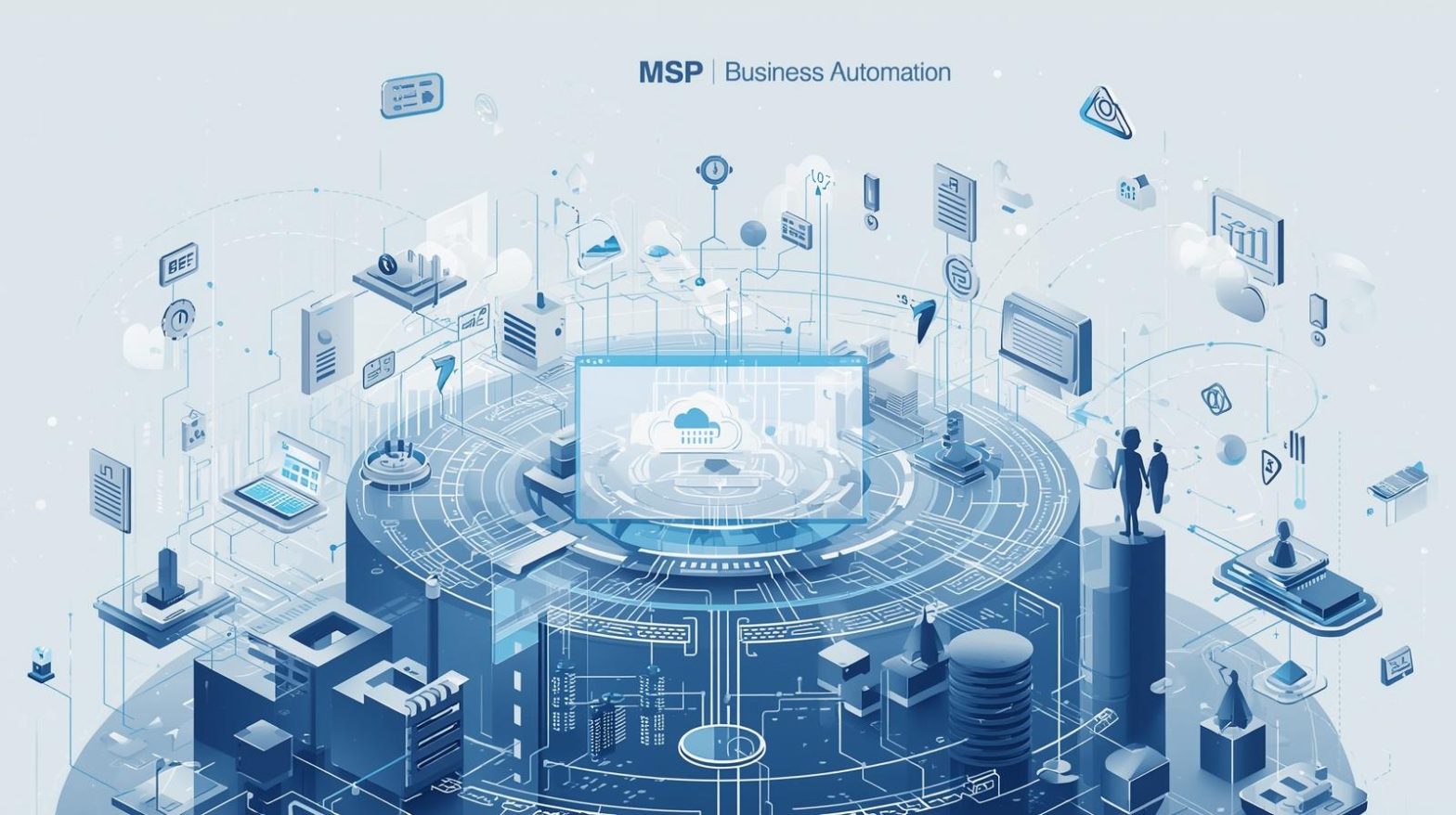
Are repetitive tasks slowing down your managed service operations? In today’s fast-moving IT landscape, MSP business automation is no longer optional—it’s essential. Managed Service Providers (MSPs) face growing pressure to deliver faster services, maintain strong cybersecurity, and scale efficiently without increasing operational costs. Automation helps solve these challenges by streamlining workflows, reducing manual effort, and enabling teams to focus on strategic initiatives instead of routine tasks. For IT managers, cybersecurity professionals, and business leaders, adopting automation can be the difference between staying competitive and falling behind. Let’s explore how MSP business automation transforms operations and drives measurable results across industries.
What is MSP Business Automation
MSP business automation refers to the use of technology to automate routine IT service tasks, business processes, and security operations within a managed service environment. It allows MSPs to handle complex workflows with minimal human intervention, improving speed, accuracy, and consistency.
Automation tools are typically integrated into platforms such as Remote Monitoring and Management (RMM), Professional Services Automation (PSA), and cybersecurity systems. These tools enable MSPs to automate tasks like patch management, ticketing, reporting, onboarding, and threat detection.
Key benefits include:
-
Reduced manual workload
-
Faster response times
-
Improved service consistency
-
Enhanced scalability
-
Better compliance and reporting
For organizations managing hundreds or thousands of endpoints, automation becomes critical for maintaining operational efficiency.
Why MSP Business Automation Matters for IT Leaders
IT managers and cybersecurity leaders are under constant pressure to do more with less. Automation helps bridge this gap by improving productivity without increasing headcount.
Here’s why it matters:
1. Operational Efficiency
Manual processes slow down service delivery and increase the risk of errors. Automation ensures tasks are completed quickly and accurately.
2. Cost Optimization
By reducing the need for manual intervention, MSPs can lower operational costs and allocate resources more effectively.
3. Enhanced Security
Automated security workflows help detect and respond to threats faster, reducing the risk of breaches.
4. Scalability
Automation allows MSPs to onboard new clients and manage larger environments without adding complexity.
5. Improved Customer Experience
Faster response times and consistent service delivery lead to higher client satisfaction and retention.
For CEOs and founders, automation directly impacts profitability and growth potential.
Core Components of MSP Business Automation
To fully leverage automation, MSPs must focus on several key components that drive efficiency across operations.
Remote Monitoring and Management (RMM)
RMM tools allow MSPs to monitor endpoints, networks, and systems in real time. Automation within RMM enables:
-
Automatic alerts for system issues
-
Scheduled maintenance tasks
-
Patch deployment
-
Performance monitoring
This reduces downtime and ensures proactive issue resolution.
Professional Services Automation (PSA)
PSA platforms manage business operations such as ticketing, billing, and reporting. Automation in PSA systems helps:
-
Assign tickets automatically
-
Track service-level agreements (SLAs)
-
Generate invoices
-
Produce performance reports
This ensures smoother business operations and better visibility.
Security Automation
Cybersecurity automation is critical for MSPs handling sensitive client data. Automated systems can:
-
Detect threats in real time
-
Trigger incident response workflows
-
Apply security patches automatically
-
Monitor compliance
This significantly reduces response times and strengthens security posture.
Workflow Automation
Workflow automation connects different tools and processes, enabling seamless operations. Examples include:
-
Automated onboarding of new clients
-
Scheduled reporting
-
Backup management
-
User access provisioning
This eliminates bottlenecks and improves overall efficiency.
Key Use Cases of MSP Business Automation
MSP business automation can be applied across various operational areas. Below are some practical use cases that deliver immediate value.
Automated Patch Management
Keeping systems updated is critical for security. Automation ensures patches are deployed without delay, reducing vulnerabilities.
Ticket Management Automation
Incoming support tickets can be automatically categorized, prioritized, and assigned to the appropriate technician.
Backup and Disaster Recovery Automation
Automated backups ensure data is regularly saved and can be restored quickly in case of system failure.
Client Onboarding Automation
New client setups can be streamlined with predefined workflows, reducing setup time and errors.
Reporting and Analytics Automation
Automated reports provide insights into system performance, security incidents, and service metrics without manual effort.
Benefits of MSP Business Automation Across Industries
Different industries benefit from MSP automation in unique ways. Let’s look at how automation supports various sectors.
Healthcare
-
Ensures compliance with regulations
-
Protects sensitive patient data
-
Automates system monitoring
Finance
-
Enhances fraud detection
-
Automates compliance reporting
-
Improves data security
Retail
-
Supports point-of-sale systems
-
Automates inventory monitoring
-
Ensures uptime during peak periods
Manufacturing
-
Monitors production systems
-
Automates maintenance schedules
-
Reduces downtime
Education
-
Manages large user bases
-
Automates device updates
-
Enhances network security
For IT managers in these industries, automation ensures reliability and efficiency at scale.
Challenges in Implementing MSP Business Automation
While automation offers many benefits, it also comes with challenges that organizations must address.
Integration Issues
Different tools may not integrate seamlessly, leading to fragmented workflows.
Initial Setup Complexity
Setting up automation requires planning, configuration, and testing.
Skill Gaps
Teams may need training to effectively manage automated systems.
Over-Automation Risks
Automating too many processes without oversight can lead to unexpected issues.
Security Concerns
Automation systems must be secure to prevent unauthorized access or misuse.
Addressing these challenges requires a strategic approach and proper tool selection.
Best Practices for Successful MSP Business Automation
To maximize the benefits of automation, MSPs should follow these best practices.
Start Small and Scale Gradually
Begin with simple automation tasks and expand as your team gains confidence.
Standardize Processes
Define clear workflows before automating them to ensure consistency.
Use Reliable Tools
Choose platforms that integrate well and offer robust automation capabilities.
Monitor and Optimize
Regularly review automated processes to ensure they are working as intended.
Train Your Team
Ensure staff understand how automation works and how to manage it effectively.
Maintain Human Oversight
Automation should support, not replace, human decision-making.
These practices help ensure smooth implementation and long-term success.
Future Trends in MSP Business Automation
Automation continues to evolve, bringing new opportunities for MSPs.
AI-Driven Automation
Artificial intelligence enhances automation by enabling predictive analytics and intelligent decision-making.
Hyperautomation
Combining multiple automation tools to create fully automated workflows across the organization.
Zero-Touch IT Management
Systems that require minimal human intervention, improving efficiency and reducing errors.
Advanced Security Automation
Automated threat hunting and response capabilities will become more sophisticated.
Cloud-Based Automation Platforms
Cloud solutions offer scalability, flexibility, and easier integration.
Staying ahead of these trends is essential for MSPs looking to remain competitive.
How to Choose the Right MSP Automation Tools
Selecting the right tools is critical for successful automation.
Consider the following factors:
-
Ease of integration with existing systems
-
Scalability for future growth
-
Security features
-
User-friendly interface
-
Vendor support and reliability
-
Cost-effectiveness
A well-chosen platform can significantly enhance operational efficiency and service delivery.
Actionable Tips to Get Started with MSP Business Automation
If you’re ready to implement automation, here are practical steps to begin:
-
Identify repetitive tasks that consume time
-
Map out workflows and processes
-
Select automation tools that fit your needs
-
Test automation in a controlled environment
-
Monitor performance and adjust as needed
-
Expand automation to other areas gradually
These steps help ensure a smooth transition and maximize ROI.
Frequently Asked Questions
Q1: What is MSP business automation?
MSP business automation involves using technology to automate IT services, workflows, and operational tasks to improve efficiency and scalability.
Q2: How does automation improve cybersecurity for MSPs?
Automation enables faster threat detection, automated patching, and real-time incident response, reducing the risk of security breaches.
Q3: Is MSP automation suitable for small businesses?
Yes, automation helps small MSPs scale operations, reduce costs, and compete with larger providers.
Q4: What tools are commonly used for MSP automation?
Common tools include RMM platforms, PSA software, cybersecurity solutions, and workflow automation tools.
Q5: Can automation replace IT staff?
No, automation supports IT teams by handling repetitive tasks, allowing them to focus on strategic and complex issues.
Final Thoughts
MSP business automation is transforming how managed service providers operate in a digital-first world. By streamlining processes, enhancing security, and improving scalability, automation empowers IT leaders to deliver better services while reducing operational costs. For cybersecurity professionals and business leaders, adopting automation is not just a technological upgrade—it’s a strategic move toward long-term growth and resilience. As automation technologies continue to evolve, organizations that embrace them early will gain a significant competitive advantage.

 Loading...