Why Managed Endpoint Security Matters More Than Ever
Updated on December 24, 2025, by ITarian
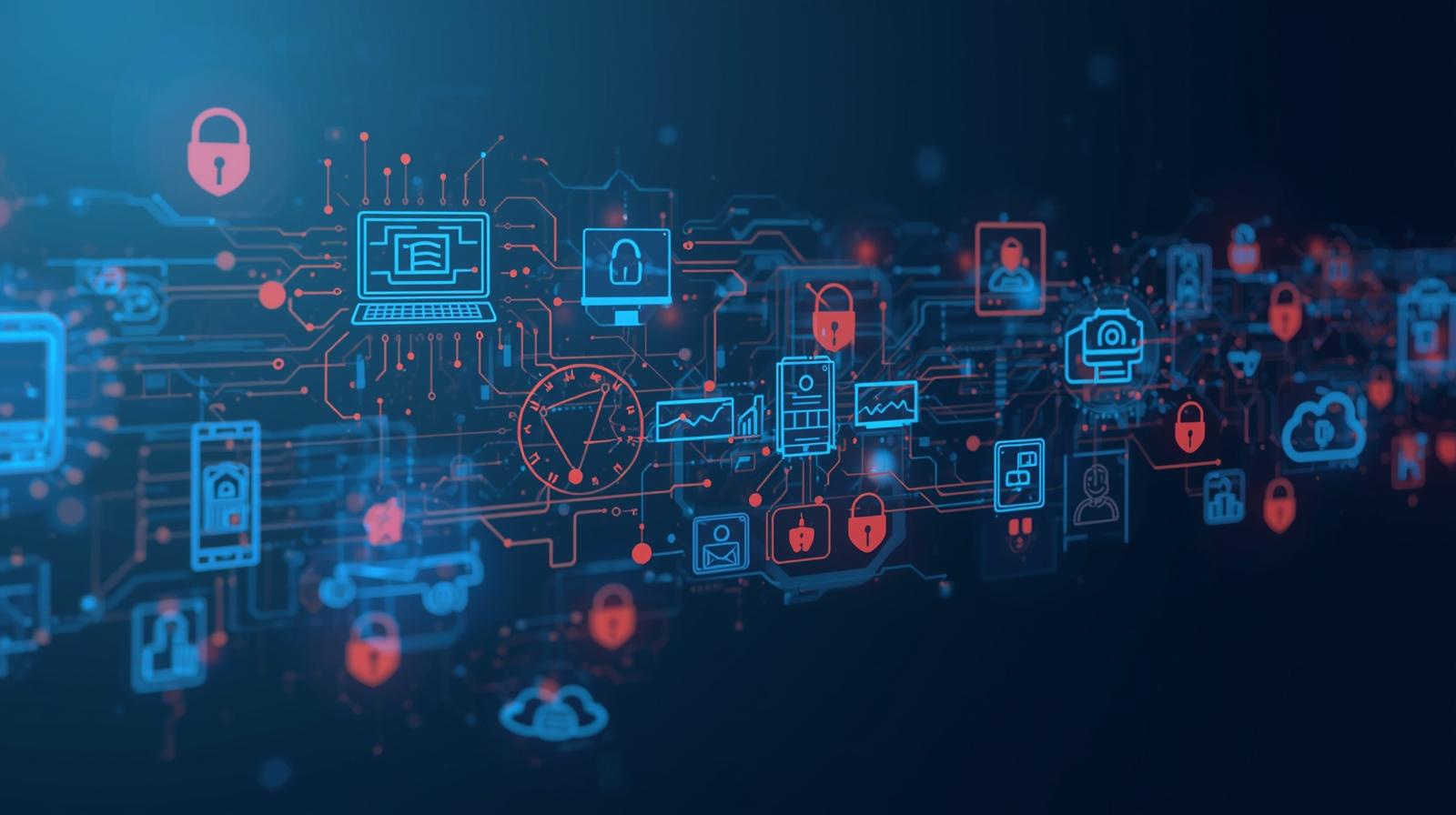
Cyber threats are becoming more advanced every year, and endpoint devices remain one of the most frequent targets. This is why managed endpoint security has become essential for organizations of all sizes. By leveraging centralized protection and expert oversight, businesses can ensure every laptop, desktop, and mobile device remains secure—whether used in the office, at home, or on the move.
The importance of managed endpoint security becomes clear: it helps organizations defend against malware, ransomware, phishing, and emerging threats while reducing the burden on internal IT teams. With more employees using multiple devices across multiple networks, proactive endpoint protection is no longer optional—it’s a foundational pillar of enterprise security.
What Is Managed Endpoint Security
Managed endpoint security is a comprehensive service where a dedicated provider monitors, protects, and manages endpoint devices on behalf of an organization. Instead of relying solely on internal staff, companies gain access to specialized expertise, advanced security tools, and round-the-clock threat monitoring.
Key components include:
-
Real-time threat detection and response
-
Malware and ransomware protection
-
Centralized patching and update management
-
Endpoint configuration and compliance enforcement
-
Continuous monitoring and reporting
This structure ensures that even as threats evolve, endpoints remain protected through consistent, automated, and thoroughly managed security processes.
Why Businesses Need Managed Endpoint Security
Organizations face growing pressure to secure data, support distributed workforces, and meet compliance requirements. Managed endpoint security provides the structure needed to stay ahead of threats while minimizing administrative overhead.
Core benefits include:
-
Reduced risk of successful cyberattacks
-
Lowered IT workload through automation and outsourcing
-
Faster detection and remediation of security incidents
-
Proactive vulnerability reduction with ongoing updates
-
Greater visibility into endpoint health and risks
These advantages help organizations maintain a strong security posture while controlling operating costs.
How Managed Endpoint Security Works
Effective endpoint security combines multiple technologies, processes, and services, each designed to ensure consistent protection.
1. Continuous Monitoring
Endpoints are monitored around the clock for suspicious activity, unauthorized access attempts, malware behavior, and unusual system changes. Early detection dramatically minimizes damage.
2. Automated Threat Prevention
Modern endpoint protection uses machine learning, behavioral analysis, and threat intelligence to block attacks before they infiltrate the system.
3. Security Patch and Update Management
Cybercriminals frequently exploit outdated software. Managed endpoint security ensures every device receives:
-
OS updates
-
Application patches
-
Firmware improvements
This proactive maintenance eliminates known vulnerabilities before attackers can exploit them.
4. Incident Response and Remediation
If a threat is detected, security teams can remotely isolate the device, remove malware, restore system integrity, and prevent lateral spread across the network.
5. Policy Enforcement and Compliance
IT teams can define strict security policies—including encryption requirements, password rules, firewall settings, and device restrictions—to ensure every endpoint meets organizational standards.
Managed Endpoint Security vs Traditional Antivirus
Many businesses still rely on standalone antivirus solutions, but these tools are no longer sufficient.
Major differences:
-
Antivirus reacts to known threats; managed endpoint security prevents, detects, and responds to unknown threats as well.
-
Antivirus works at the device level; managed endpoint security works across a centralized ecosystem.
-
Antivirus requires manual intervention; managed endpoint security includes automated updates and expert oversight.
-
Antivirus protects against limited threats; managed endpoint security protects against ransomware, phishing, zero-day exploits, and advanced persistent threats.
The shift from antivirus to a comprehensive, managed security model is necessary to keep up with today’s fast-moving threat landscape.
Why Managed Endpoint Security Is Essential for Remote and Hybrid Workforces
Remote work has expanded the attack surface for most organizations. Devices connected to unsecured home Wi-Fi networks or public hotspots face significantly elevated risk.
Benefits for distributed teams:
-
Secure access to company data from anywhere
-
Remote configuration and troubleshooting
-
Enforced compliance even without on-site IT
-
Continuous oversight of all remote devices
This ensures consistent protection no matter where employees work.
Key Features to Look for in a Managed Endpoint Security Solution
Choosing the right managed endpoint security service is crucial for long-term success.
Essential capabilities include:
-
Advanced threat detection (AI, machine learning, behavioral analytics)
-
Zero-day attack protection
-
Centralized management console
-
Remote device isolation and remediation
-
Automated patch deployment
-
Comprehensive reporting and visibility
-
Integration with SIEM, SOC, and compliance tools
Organizations should prioritize solutions capable of supporting large-scale device environments while minimizing administrative complexity.
How Managed Endpoint Security Strengthens Compliance
Industries such as healthcare, finance, and government face strict compliance obligations. Non-compliance can result in fines, data loss, or legal consequences.
Managed endpoint security ensures:
-
Mandatory encryption is applied
-
Sensitive data is protected
-
Unauthorized access is blocked
-
Audit logs are maintained
-
Security controls remain aligned with industry frameworks (HIPAA, GDPR, PCI-DSS, etc.)
This makes compliance easier, more reliable, and less resource-intensive.
Best Practices for Implementing Managed Endpoint Security
Organizations can maximize the benefits of managed endpoint security by following structured best practices.
Recommended steps:
-
Standardize device configurations
-
Enforce least-privilege access
-
Regularly review security policies
-
Educate employees about cyber hygiene
-
Integrate endpoint protection with broader IT security strategies
These practices significantly reduce exposure and streamline ongoing device management.
The Future of Managed Endpoint Security
With AI-driven threats, cloud expansion, and increasing digital transformation, managed endpoint security will continue to evolve rapidly.
Emerging trends include:
-
AI-powered threat prediction
-
Automated remediation workflows
-
Zero-trust endpoint access controls
-
Unified endpoint management (UEM) integration
-
Greater analytics for proactive risk mitigation
These innovations will define the next generation of enterprise cybersecurity strategy.
FAQs About Managed Endpoint Security
1. What is managed endpoint security?
It is a service-based approach where experts monitor, manage, and secure all endpoint devices across an organization.
2. How is managed endpoint security different from regular endpoint protection?
Managed services add expert oversight, continuous monitoring, automation, and advanced threat response capabilities.
3. Does managed endpoint security help prevent ransomware?
Yes. It uses advanced detection, isolation, and patching tools to stop ransomware before it spreads.
4. Can small businesses benefit from managed endpoint security?
Absolutely. It reduces internal workload and provides enterprise-grade protection without requiring a large IT team.
5. What types of devices can be protected?
Laptops, desktops, mobile devices, tablets, servers, and other corporate endpoints.
Final Thoughts
As cyberattacks grow more advanced and device environments grow more complex, managed endpoint security delivers the scalable protection that organizations need. By combining automation, expert oversight, and advanced threat prevention, businesses can safeguard their workforce, reduce vulnerabilities, and maintain compliance with ease.
Experience smarter IT automation — start your free ITarian trial and take control of your endpoint security with unified, enterprise-grade protection.

 Loading...