Strengthening IT Resilience with Incident Management Software
Updated on February 18, 2026, by ITarian
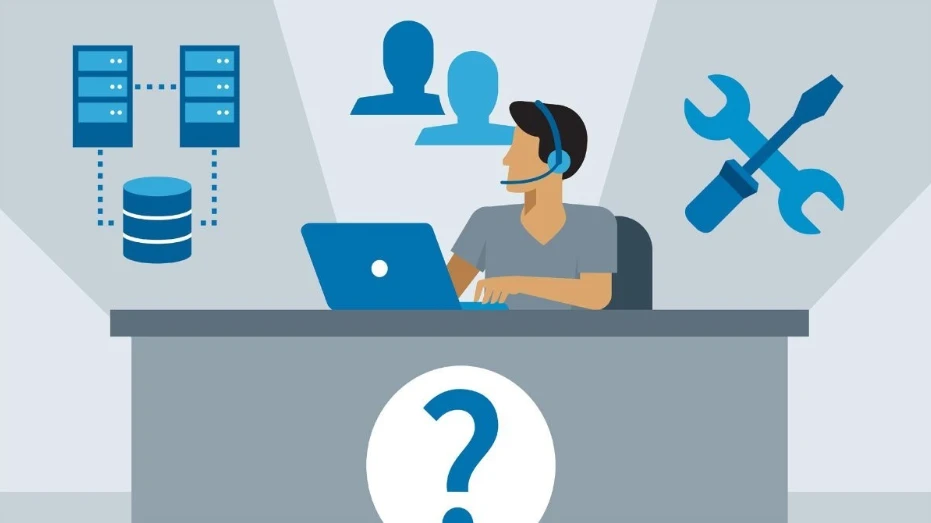
When systems go down, every second counts. A delayed response can mean lost revenue, damaged reputation, and security risks. That is why incident management software has become essential for modern organizations. Instead of reacting to issues in chaos, businesses use incident management software to track, prioritize, and resolve disruptions with precision. For IT managers, cybersecurity leaders, and executives, the right platform turns operational turbulence into structured response.
In today’s threat-heavy environment, organizations cannot afford guesswork. Incident management software centralizes alerts, automates escalation, and delivers real-time visibility. Whether you operate in finance, healthcare, retail, or technology, structured incident response strengthens business continuity and trust.
What Is Incident Management Software
Incident management software is a digital platform designed to detect, track, manage, and resolve IT incidents. An incident can include system outages, cybersecurity threats, performance degradation, or service interruptions.
Instead of relying on emails or manual logs, incident management software provides a centralized dashboard. Every event is recorded, categorized, assigned, and monitored until resolution.
This structured approach improves accountability and ensures no issue falls through the cracks. Teams work from a shared source of truth, reducing confusion and duplication of effort.
Why Incident Management Software Matters Today
Modern IT environments are complex. Cloud services, remote endpoints, mobile devices, and third-party integrations create multiple points of failure. Without incident management software, organizations struggle to maintain visibility.
Here’s why it matters:
-
Faster response to outages and security breaches
-
Clear ownership of incidents
-
Automated alerts and escalation
-
Compliance documentation
-
Improved service level agreement (SLA) performance
For cybersecurity professionals, incident management software provides documented workflows for responding to threats. This ensures that containment, remediation, and recovery steps follow best practices.
Core Features of Incident Management Software
Not all platforms are created equal. However, effective incident management software typically includes several essential features.
1. Incident Logging and Categorization
Every disruption must be logged accurately. Incident management software allows teams to categorize issues by severity, impact, and type.
Proper categorization ensures high-priority incidents receive immediate attention. It also helps identify patterns over time.
2. Automated Alerting and Escalation
Manual notifications slow down response times. Incident management software automates alerts when predefined thresholds are met.
Escalation rules ensure unresolved issues move up the chain quickly. This reduces downtime and prevents prolonged service disruption.
3. Real-Time Dashboards
Visibility is critical during a crisis. Real-time dashboards display active incidents, status updates, and performance metrics.
Leadership gains insight into operational stability without needing constant manual reports.
4. Workflow Automation
Automation eliminates repetitive tasks. Ticket assignments, notifications, and status updates can be automated.
This improves efficiency and reduces human error.
5. Reporting and Analytics
Incident management software generates detailed reports. These insights reveal trends, recurring issues, and areas needing improvement.
Data-driven decisions strengthen IT resilience.
Benefits for IT Managers and Executives
Incident management software does more than solve technical problems. It supports strategic business goals.
Reduced Downtime
Faster incident detection and resolution minimize operational interruptions. This directly protects revenue streams.
Improved Customer Experience
When systems remain stable, customers experience fewer disruptions. Service reliability builds trust.
Stronger Compliance Posture
Documented incident workflows help meet regulatory standards. Audit trails demonstrate responsible management.
Enhanced Team Collaboration
A centralized platform improves communication across departments. Everyone works from the same incident record.
Incident Management Software and Cybersecurity
Cybersecurity incidents require rapid containment. Incident management software supports structured security response by:
-
Logging suspicious activity immediately
-
Triggering automated alerts
-
Escalating critical threats
-
Documenting remediation steps
This structured approach reduces risk exposure. It also supports forensic investigations and compliance reporting.
For organizations handling sensitive data, integrated security workflows are non-negotiable.
Best Practices for Implementation
Deploying incident management software requires careful planning.
Step 1: Assess Current Incident Processes
Document existing workflows. Identify gaps and inefficiencies.
Step 2: Define Severity Levels
Establish clear criteria for critical, high, medium, and low incidents.
Step 3: Configure Escalation Policies
Define response timelines and responsible teams for each severity level.
Step 4: Train Staff
Provide training to ensure consistent use of incident management software.
Step 5: Monitor and Refine
Review performance metrics regularly. Adjust workflows based on findings.
Industry Applications
Different sectors benefit uniquely from incident management software.
Healthcare
Ensures rapid resolution of system failures affecting patient care.
Finance
Supports secure handling of transaction disruptions and fraud alerts.
Retail
Maintains uptime for e-commerce platforms and point-of-sale systems.
Manufacturing
Reduces downtime across production systems.
Across industries, structured response improves operational continuity.
Key Metrics to Track
To maximize value, organizations should monitor:
-
Mean Time to Detect (MTTD)
-
Mean Time to Resolve (MTTR)
-
Incident recurrence rate
-
SLA compliance rate
-
User satisfaction scores
Tracking these metrics ensures ongoing improvement.
Integration with IT Service Management
Incident management software often integrates with broader IT service management platforms. This integration aligns incidents with change management, problem management, and asset tracking.
When systems connect seamlessly, root causes are easier to identify. Teams can prevent recurring disruptions instead of repeatedly fixing symptoms.
Automation and AI in Incident Response
Modern platforms incorporate artificial intelligence to enhance performance.
AI-driven capabilities include:
-
Automatic incident classification
-
Predictive alerting
-
Intelligent ticket routing
-
Trend analysis
These tools reduce manual workload and improve decision-making speed.
Common Challenges and Solutions
While incident management software delivers significant benefits, organizations may encounter challenges.
Resistance to Change
Employees may hesitate to adopt new systems. Ongoing training and leadership support help ease transition.
Data Overload
Too many alerts can overwhelm teams. Fine-tuning alert thresholds reduces noise.
Integration Complexity
Legacy systems may require customization. Partnering with experienced vendors simplifies deployment.
Overcoming these obstacles ensures long-term success.
Choosing the Right Solution
Selecting the right incident management software requires careful evaluation.
Consider:
-
Scalability
-
Security features
-
Integration capabilities
-
Automation tools
-
Reporting functionality
-
Vendor support
A scalable platform grows alongside your organization.
The Future of Incident Management
As IT environments expand, incident management software will become even more critical.
Future trends include:
-
Predictive incident prevention
-
Advanced analytics dashboards
-
Unified monitoring across hybrid infrastructures
-
Increased automation in root cause analysis
Organizations investing now position themselves for long-term resilience.
FAQs
-
What is incident management software?
Incident management software is a platform that tracks, manages, and resolves IT disruptions in a structured and automated manner. -
How does incident management software improve cybersecurity?
It centralizes security alerts, automates escalation, and documents response actions for compliance and investigation purposes. -
Can small businesses use incident management software?
Yes. Scalable solutions make it suitable for organizations of any size. -
What metrics should organizations monitor?
Key metrics include MTTD, MTTR, SLA compliance, and incident recurrence rates. -
Does incident management software integrate with other tools?
Most platforms integrate with IT service management, monitoring, and security systems for comprehensive visibility.
Final Thoughts
Incident management software transforms IT response from reactive firefighting into structured resilience. By automating alerts, centralizing workflows, and providing actionable insights, organizations protect uptime, strengthen cybersecurity, and improve customer trust. For IT managers and executives seeking operational stability in a rapidly evolving digital environment, structured incident management is essential.
Move your operations forward — get started with your free ITarian trial

 Loading...