Strengthening Cyber Defense With Modern Endpoint Protection
Updated on January 21, 2026, by ITarian

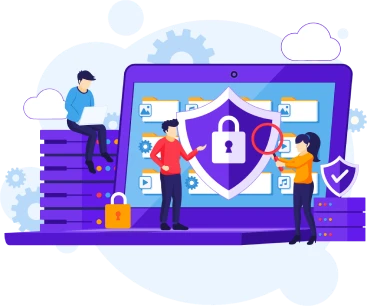
Every organization today depends on endpoints. Laptops, desktops, mobile devices, and servers are the primary gateways employees use to access critical data and systems. As work environments become more distributed, endpoint security solutions have become one of the most important pillars of cybersecurity. Without strong endpoint security solutions in place, even the most advanced network defenses can be bypassed through a single compromised device.
Endpoint security solutions are designed to protect devices at the point where users interact with systems and data. For IT managers, cybersecurity teams, and business leaders, choosing the right endpoint security solutions is no longer optional. It is a strategic decision that directly affects operational continuity, data protection, and regulatory compliance.
What Are Endpoint Security Solutions
Endpoint security solutions are technologies and platforms that protect endpoint devices from cyber threats such as malware, ransomware, phishing attacks, and unauthorized access. Unlike traditional antivirus tools that focus only on known threats, modern endpoint security solutions combine multiple layers of protection to detect, prevent, and respond to attacks in real time.
These solutions typically monitor device behavior, analyze files and processes, and enforce security policies across all endpoints. By focusing on the device level, endpoint security solutions provide visibility and control where many attacks originate. This approach is especially critical as remote work and bring-your-own-device policies expand the attack surface.
Why Endpoint Security Solutions Matter More Than Ever
Cyber threats have evolved rapidly over the past few years. Attackers now use sophisticated techniques such as fileless malware, zero-day exploits, and social engineering. Traditional perimeter-based security models are no longer sufficient to stop these threats. Endpoint security solutions address this gap by protecting each device individually, regardless of where it is located.
Modern organizations operate in hybrid environments that include on-premises infrastructure, cloud services, and remote endpoints. Endpoint security solutions ensure consistent protection across all these environments. They reduce reliance on network boundaries and focus instead on securing the devices that interact directly with users and data.
Key Components of Endpoint Security Solutions
Effective endpoint security solutions are built on multiple integrated components that work together to provide comprehensive protection. Understanding these components helps organizations evaluate and select the right platform for their needs.
Common components include:
-
Malware detection and prevention using signature-based and behavior-based analysis
-
Endpoint detection and response capabilities for real-time threat investigation
-
Device control and application management to limit unauthorized software
-
Data protection features such as encryption and data loss prevention
-
Centralized management dashboards for visibility and policy enforcement
Together, these elements create a layered defense that adapts to evolving threats and reduces the risk of successful attacks.
How Endpoint Security Solutions Protect Against Advanced Threats
Advanced threats often bypass traditional defenses by exploiting unknown vulnerabilities or trusted user actions. Endpoint security solutions counter these tactics by continuously monitoring device behavior and detecting anomalies. When suspicious activity is identified, the system can automatically isolate the device, block malicious processes, and alert security teams.
This proactive approach minimizes dwell time, which is the period attackers remain undetected within an environment. By reducing dwell time, endpoint security solutions limit the damage caused by breaches and support faster recovery. For organizations handling sensitive data, this capability is essential to maintaining trust and compliance.
Benefits for IT Managers and Security Teams
Endpoint security solutions simplify security management for IT and cybersecurity teams. Centralized control allows administrators to deploy updates, enforce policies, and monitor threats from a single interface. This reduces administrative overhead and improves response times.
Security teams benefit from deeper visibility into endpoint activity. Detailed telemetry and threat intelligence provide context for incidents, enabling faster and more accurate investigations. With endpoint security solutions in place, teams can shift from reactive firefighting to proactive risk management.
Supporting Remote and Hybrid Workforces
Remote and hybrid work models introduce new security challenges. Devices may connect from unsecured networks and operate outside traditional corporate boundaries. Endpoint security solutions provide consistent protection regardless of location, ensuring that remote endpoints meet the same security standards as on-site devices.
By enforcing policies such as device encryption, access control, and secure authentication, endpoint security solutions reduce the risk associated with remote access. This consistency is critical for organizations seeking to maintain productivity without compromising security.
Endpoint Security Solutions and Compliance Requirements
Regulatory frameworks often require organizations to protect sensitive data and demonstrate control over access and security practices. Endpoint security solutions support compliance by providing audit trails, reporting capabilities, and policy enforcement.
Detailed logs and reports help organizations demonstrate adherence to standards and respond to audits efficiently. By maintaining continuous visibility into endpoint security posture, organizations reduce the risk of non-compliance and associated penalties.
Choosing the Right Endpoint Security Solutions
Selecting the right endpoint security solutions requires careful evaluation of organizational needs, risk profile, and existing infrastructure. Not all solutions offer the same capabilities, and some may be better suited for specific environments or industries.
When evaluating endpoint security solutions, organizations should consider:
-
Scalability to support growth and changing environments
-
Integration with existing IT and security tools
-
Ease of deployment and management
-
Strength of detection and response capabilities
-
Quality of reporting and analytics
Aligning these factors with business objectives ensures that endpoint security solutions deliver long-term value.
Integrating Endpoint Security Solutions With IT Operations
Endpoint security solutions are most effective when integrated with broader IT operations. Integration with asset management, patch management, and identity systems creates a unified security approach. This alignment improves visibility and reduces gaps between security and operational workflows.
Automation plays a key role in this integration. Automated responses to threats, policy violations, or missing updates reduce manual effort and improve consistency. Over time, integrated endpoint security solutions contribute to a more resilient IT environment.
Measuring the Effectiveness of Endpoint Security Solutions
Measuring success is essential to continuous improvement. Endpoint security solutions provide metrics such as threat detection rates, response times, and policy compliance levels. These metrics help organizations assess effectiveness and identify areas for enhancement.
Regular reviews of security performance enable teams to refine policies and adapt to new threats. By treating endpoint security solutions as an evolving capability rather than a static tool, organizations maintain a strong security posture.
The Future of Endpoint Security Solutions
Endpoint security solutions continue to evolve as threats become more sophisticated. Artificial intelligence and machine learning are increasingly embedded into these platforms, enabling faster detection and more accurate responses. As automation increases, endpoint security solutions will play a greater role in autonomous threat mitigation.
Future developments will also focus on deeper integration with cloud and identity-based security models. This convergence will further reduce reliance on traditional network boundaries and strengthen device-centric protection.
Best Practices for Maximizing Value
To maximize the value of endpoint security solutions, organizations should follow best practices that align technology with process and people. Clear policies, regular training, and ongoing assessment are essential components of success.
Best practices include:
-
Keeping endpoint security solutions updated with the latest intelligence
-
Regularly reviewing alerts and reports for actionable insights
-
Training employees on secure device usage
-
Aligning endpoint policies with business objectives
By embedding these practices into daily operations, organizations strengthen both security and productivity.
FAQs
-
What are endpoint security solutions
Endpoint security solutions are platforms that protect endpoint devices from cyber threats by monitoring, detecting, and responding to malicious activity. -
How do endpoint security solutions differ from antivirus software
Endpoint security solutions provide advanced capabilities such as behavioral analysis, real-time response, and centralized management beyond traditional antivirus protection. -
Are endpoint security solutions suitable for small businesses
Yes, many endpoint security solutions are scalable and designed to meet the needs of small and mid-sized organizations. -
Can endpoint security solutions support remote work
Endpoint security solutions protect devices regardless of location, making them ideal for remote and hybrid work environments. -
What should organizations look for when selecting endpoint security solutions
Key factors include detection capabilities, ease of management, scalability, integration options, and reporting features.
Final Thoughts
Endpoint security solutions are a critical foundation for modern cybersecurity strategies. By protecting devices at the point of interaction, they reduce risk, improve visibility, and support business continuity. For organizations navigating complex and evolving threat landscapes, investing in robust endpoint security solutions is an essential step toward long-term resilience and trust.

 (1 votes, average: 4.00 out of 5, rated)
 Loading...