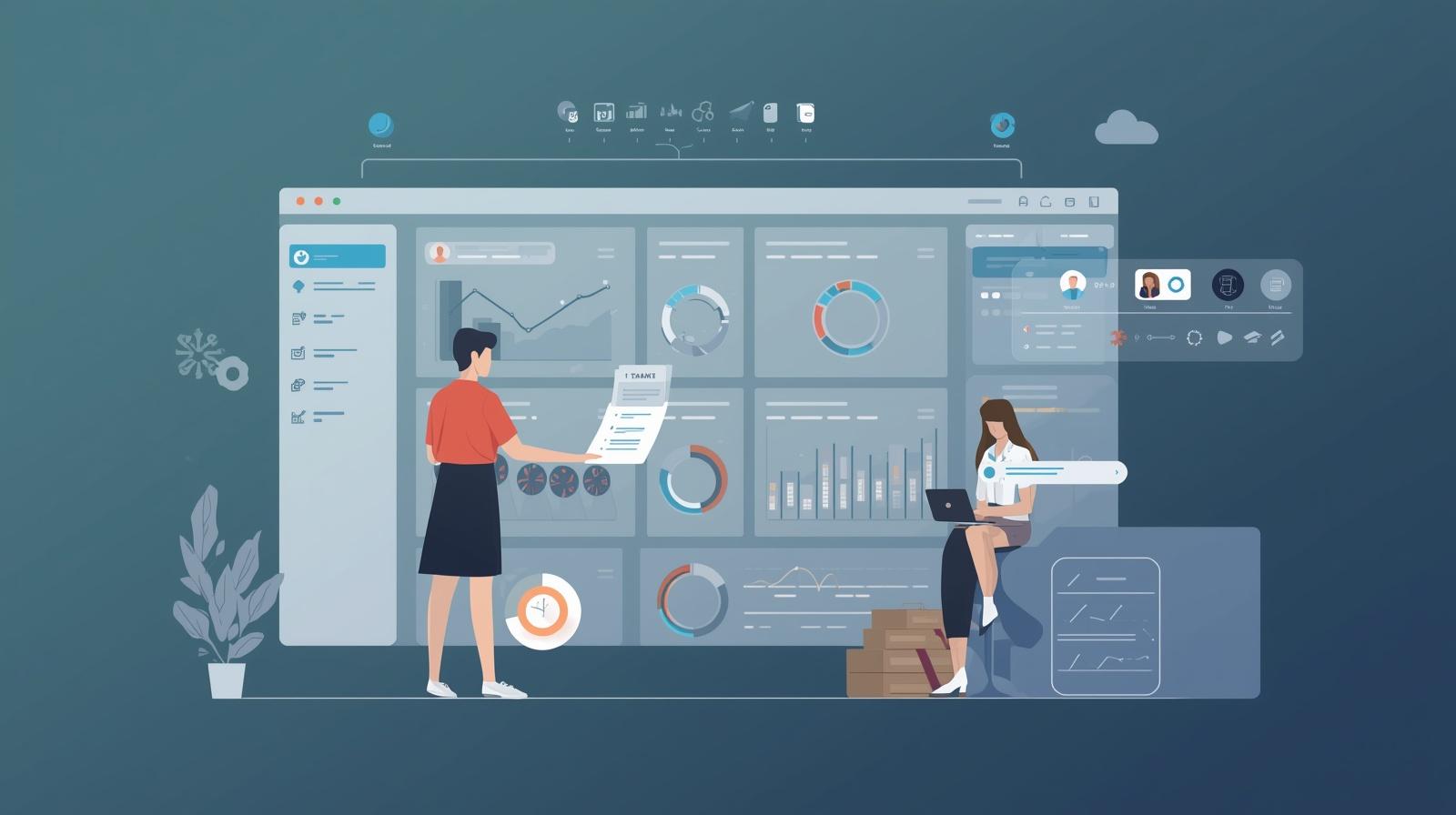
Organizations today manage more endpoints than ever before. Laptops, desktops, smartphones, tablets, virtual machines, and remote devices have become essential components of daily business operations. However, managing these assets effectively requires more than simply deploying devices and responding to issues. This is where endpoint lifecycle management becomes critical. By overseeing every stage of a device’s journey—from procurement and deployment to maintenance and retirement—organizations can improve security, reduce costs, enhance user experiences, and strengthen operational efficiency. For cybersecurity professionals, IT managers, MSPs, CEOs, and business leaders, endpoint lifecycle management has become a foundational strategy for maintaining a secure and productive technology environment.
What is Endpoint Lifecycle Management
Endpoint lifecycle management is the structured process of managing devices throughout their entire operational lifespan.
The lifecycle typically includes:
- Planning and procurement
- Device deployment
- Configuration and onboarding
- Monitoring and maintenance
- Security management
- Software updates
- Compliance enforcement
- Asset tracking
- Device retirement and disposal
Rather than treating endpoints as isolated assets, endpoint lifecycle management provides a comprehensive framework that ensures devices remain secure, efficient, and aligned with business objectives.
As organizations adopt hybrid work environments and cloud-first strategies, endpoint lifecycle management plays a central role in maintaining visibility and control.
Why Endpoint Lifecycle Management Matters
Many organizations focus heavily on endpoint deployment but fail to address the ongoing management requirements that follow.
Without effective endpoint lifecycle management, businesses often experience:
- Increased security risks
- Compliance violations
- Asset loss
- Software licensing inefficiencies
- Device performance degradation
- Rising support costs
A proactive lifecycle approach helps organizations avoid these challenges while maximizing the value of technology investments.
Key benefits include:
- Improved cybersecurity posture
- Enhanced asset visibility
- Reduced operational costs
- Better user experiences
- Increased compliance readiness
- Stronger IT governance
The Key Stages of Endpoint Lifecycle Management
Understanding the lifecycle stages is essential for building a successful endpoint lifecycle management strategy.
Planning and Procurement
Every endpoint lifecycle begins with planning.
Organizations must evaluate:
- Business requirements
- Device specifications
- Security standards
- User needs
- Budget considerations
Procurement decisions should align with long-term business goals rather than focusing solely on purchase costs.
Effective endpoint lifecycle management starts by selecting devices that support operational, security, and compliance requirements.
Deployment and Configuration
Once devices are acquired, they must be prepared for production use.
This stage often includes:
- Operating system installation
- Software deployment
- Security policy configuration
- User provisioning
- Network integration
Modern endpoint lifecycle management platforms automate much of this process, reducing deployment time and minimizing configuration errors.
Device Monitoring and Maintenance
After deployment, continuous monitoring becomes essential.
Organizations track:
- Hardware health
- Software performance
- Device utilization
- Security status
- Resource consumption
Proactive monitoring helps identify potential issues before they affect productivity.
Maintenance activities may include:
- Firmware updates
- Hardware servicing
- Performance optimization
- Configuration adjustments
Security Management
Security remains one of the most important aspects of endpoint lifecycle management.
Endpoints represent common attack vectors for cybercriminals.
Security-focused lifecycle management includes:
- Vulnerability management
- Patch management
- Antivirus deployment
- Endpoint detection and response (EDR)
- Access control enforcement
- Security policy compliance
Continuous security oversight helps reduce organizational risk.
Retirement and Disposal
Eventually, devices reach the end of their useful life.
Proper retirement procedures include:
- Data backup
- Secure data wiping
- Asset decommissioning
- Recycling or disposal
- Inventory updates
Endpoint lifecycle management ensures retired devices do not create security or compliance risks.
Core Components of Effective Endpoint Lifecycle Management
Organizations that achieve success with endpoint lifecycle management typically focus on several critical areas.
Asset Discovery and Inventory Management
Organizations cannot manage devices they cannot see.
Comprehensive asset discovery helps identify:
- Corporate devices
- Remote endpoints
- Mobile devices
- Virtual assets
- Shadow IT resources
Inventory management provides visibility into hardware, software, ownership, and lifecycle status.
Automated Provisioning
Automation significantly improves deployment efficiency.
Automated provisioning allows organizations to:
- Configure devices remotely
- Apply security policies
- Install required applications
- Reduce setup time
Automation is a cornerstone of modern endpoint lifecycle management.
Patch Management
Unpatched systems remain a leading cause of security incidents.
Patch management helps organizations:
- Identify missing updates
- Automate deployment
- Verify installation success
- Reduce vulnerabilities
Effective patching improves both security and compliance.
Compliance Monitoring
Many industries face strict regulatory requirements.
Endpoint lifecycle management helps enforce compliance with standards such as:
- HIPAA
- PCI DSS
- NIST
- ISO 27001
- CIS Controls
Continuous compliance monitoring reduces audit risks.
Benefits of Endpoint Lifecycle Management
Organizations that implement comprehensive endpoint lifecycle management gain substantial operational and security advantages.
Improved Security Posture
Security threats continue to evolve rapidly.
Endpoint lifecycle management strengthens defenses through:
- Consistent patching
- Security policy enforcement
- Endpoint monitoring
- Risk visibility
This proactive approach reduces exposure to cyberattacks.
Better Asset Utilization
Many organizations purchase more devices than necessary due to poor visibility.
Endpoint lifecycle management helps optimize asset utilization by tracking:
- Device assignments
- Usage patterns
- Performance metrics
- Replacement schedules
Improved utilization reduces unnecessary spending.
Enhanced User Productivity
Poorly maintained devices negatively affect productivity.
Lifecycle management ensures users have access to:
- Reliable hardware
- Updated software
- Secure environments
- Optimized performance
As a result, employees experience fewer disruptions.
Reduced IT Workloads
Automation simplifies many routine management tasks.
IT teams can automate:
- Device onboarding
- Software updates
- Compliance checks
- Security remediation
This allows staff to focus on higher-value initiatives.
Stronger Financial Planning
Endpoint lifecycle management provides valuable insights into:
- Device costs
- Maintenance expenses
- Replacement cycles
- Budget forecasts
Organizations can make more informed investment decisions.
Endpoint Lifecycle Management and Cybersecurity
Cybersecurity has become inseparable from endpoint lifecycle management.
Every endpoint represents a potential entry point for attackers.
Vulnerability Management
Organizations must continuously identify and address vulnerabilities.
Endpoint lifecycle management supports:
- Vulnerability scanning
- Risk prioritization
- Remediation tracking
- Compliance validation
This reduces exposure to known threats.
Endpoint Detection and Response
EDR solutions provide visibility into endpoint behavior.
Integrated endpoint lifecycle management allows organizations to:
- Detect suspicious activity
- Investigate incidents
- Automate responses
- Contain threats quickly
This strengthens overall resilience.
Zero Trust Security
Many organizations now adopt Zero Trust principles.
Endpoint lifecycle management supports Zero Trust by ensuring devices meet security requirements before accessing corporate resources.
Key controls include:
- Device authentication
- Continuous verification
- Security posture assessments
- Access policy enforcement
Endpoint Lifecycle Management for Remote Work
Remote and hybrid work models have transformed endpoint management.
Traditional approaches often rely on on-premises infrastructure.
Modern endpoint lifecycle management supports:
- Remote provisioning
- Cloud-based management
- Over-the-air updates
- Remote troubleshooting
- Security monitoring
These capabilities enable organizations to manage distributed workforces efficiently.
Managing Bring Your Own Device (BYOD)
Many businesses allow employees to use personal devices.
Endpoint lifecycle management helps maintain control through:
- Device enrollment
- Policy enforcement
- Application management
- Security monitoring
This balances flexibility with security requirements.
Common Challenges in Endpoint Lifecycle Management
Despite its benefits, organizations may encounter obstacles.
Lack of Asset Visibility
Incomplete inventories make management difficult.
Without visibility, organizations cannot enforce policies effectively.
Device Diversity
Modern environments include numerous operating systems and device types.
Managing this diversity increases complexity.
Manual Processes
Manual management introduces errors and inefficiencies.
Automation helps overcome these challenges.
Security Gaps
Devices that fall outside management systems create significant security risks.
Comprehensive lifecycle management reduces these blind spots.
Budget Constraints
Organizations often struggle to balance technology investments with budget limitations.
Lifecycle management improves resource allocation.
Best Practices for Endpoint Lifecycle Management
Organizations can improve outcomes by following proven practices.
Maintain a Comprehensive Asset Inventory
Track every endpoint throughout its lifecycle.
Inventory data should include:
- Device ownership
- Configuration details
- Warranty information
- Software inventory
- Lifecycle status
Automate Routine Tasks
Automation improves consistency and efficiency.
Automate:
- Provisioning
- Patch deployment
- Compliance checks
- Monitoring
Standardize Configurations
Standardization simplifies management and improves security.
Consistent configurations reduce support complexity.
Monitor Continuously
Continuous monitoring enables proactive management.
Real-time visibility helps prevent issues before they escalate.
Plan for Device Retirement
Organizations should establish clear retirement policies.
Secure disposal protects sensitive data and supports compliance requirements.
The Role of Artificial Intelligence in Endpoint Lifecycle Management
Artificial intelligence is transforming endpoint lifecycle management.
AI-powered systems can:
- Predict device failures
- Recommend upgrades
- Identify anomalies
- Automate remediation
- Improve asset utilization
These capabilities reduce operational burdens while enhancing decision-making.
Predictive Maintenance
AI can identify warning signs before devices fail.
Predictive maintenance helps organizations:
- Minimize downtime
- Extend device lifespan
- Reduce repair costs
This improves overall operational efficiency.
Endpoint Lifecycle Management for Managed Service Providers
Managed Service Providers often oversee thousands of endpoints across multiple clients.
Endpoint lifecycle management helps MSPs:
- Improve service quality
- Strengthen security
- Increase efficiency
- Enhance reporting
- Support scalability
Multi-Tenant Visibility
Centralized lifecycle management platforms provide visibility across multiple customer environments.
This enables efficient service delivery while maintaining security and compliance standards.
Future Trends in Endpoint Lifecycle Management
Several trends are shaping the future of endpoint lifecycle management.
Cloud-Native Management
Cloud-based management platforms continue to gain adoption.
These solutions provide greater flexibility and scalability.
Unified Endpoint Management (UEM)
Organizations increasingly seek platforms that manage all endpoint types from a single interface.
AI-Driven Automation
Artificial intelligence will continue expanding automation capabilities.
Zero Trust Integration
Security frameworks will become more tightly integrated with lifecycle management processes.
Sustainability Initiatives
Organizations are placing greater emphasis on responsible device retirement and recycling.
Actionable Tips for Improving Endpoint Lifecycle Management
Organizations can strengthen endpoint lifecycle management by:
- Creating a complete asset inventory.
- Automating endpoint provisioning.
- Implementing continuous monitoring.
- Prioritizing patch management.
- Enforcing compliance policies.
- Adopting Zero Trust principles.
- Utilizing predictive analytics.
- Tracking asset performance.
- Standardizing endpoint configurations.
- Establishing secure retirement procedures.
Frequently Asked Questions
Q1: What is endpoint lifecycle management?
Endpoint lifecycle management is the process of managing devices throughout their entire lifespan, from procurement to retirement.
Q2: Why is endpoint lifecycle management important?
It improves security, reduces costs, enhances compliance, and increases operational efficiency.
Q3: Which devices are included in endpoint lifecycle management?
Endpoints typically include laptops, desktops, mobile devices, tablets, virtual machines, and remote workstations.
Q4: How does endpoint lifecycle management improve cybersecurity?
It supports patch management, vulnerability remediation, compliance enforcement, and endpoint monitoring.
Q5: Can endpoint lifecycle management support remote work?
Yes. Modern lifecycle management solutions provide remote deployment, monitoring, security management, and troubleshooting capabilities.
Final Thoughts
As organizations continue expanding their digital ecosystems, managing endpoints effectively has become more important than ever. Endpoint lifecycle management provides a structured approach for securing devices, optimizing performance, controlling costs, and improving operational efficiency throughout every stage of a device’s lifecycle. By combining automation, security, monitoring, and compliance capabilities, organizations can build a stronger IT foundation that supports business growth while minimizing risk. Businesses that invest in endpoint lifecycle management today will be better prepared to manage tomorrow’s increasingly complex technology environments.

 Loading...