Navigating Organizational Transformation Through AI Change Management
Updated on February 5, 2026, by ITarian
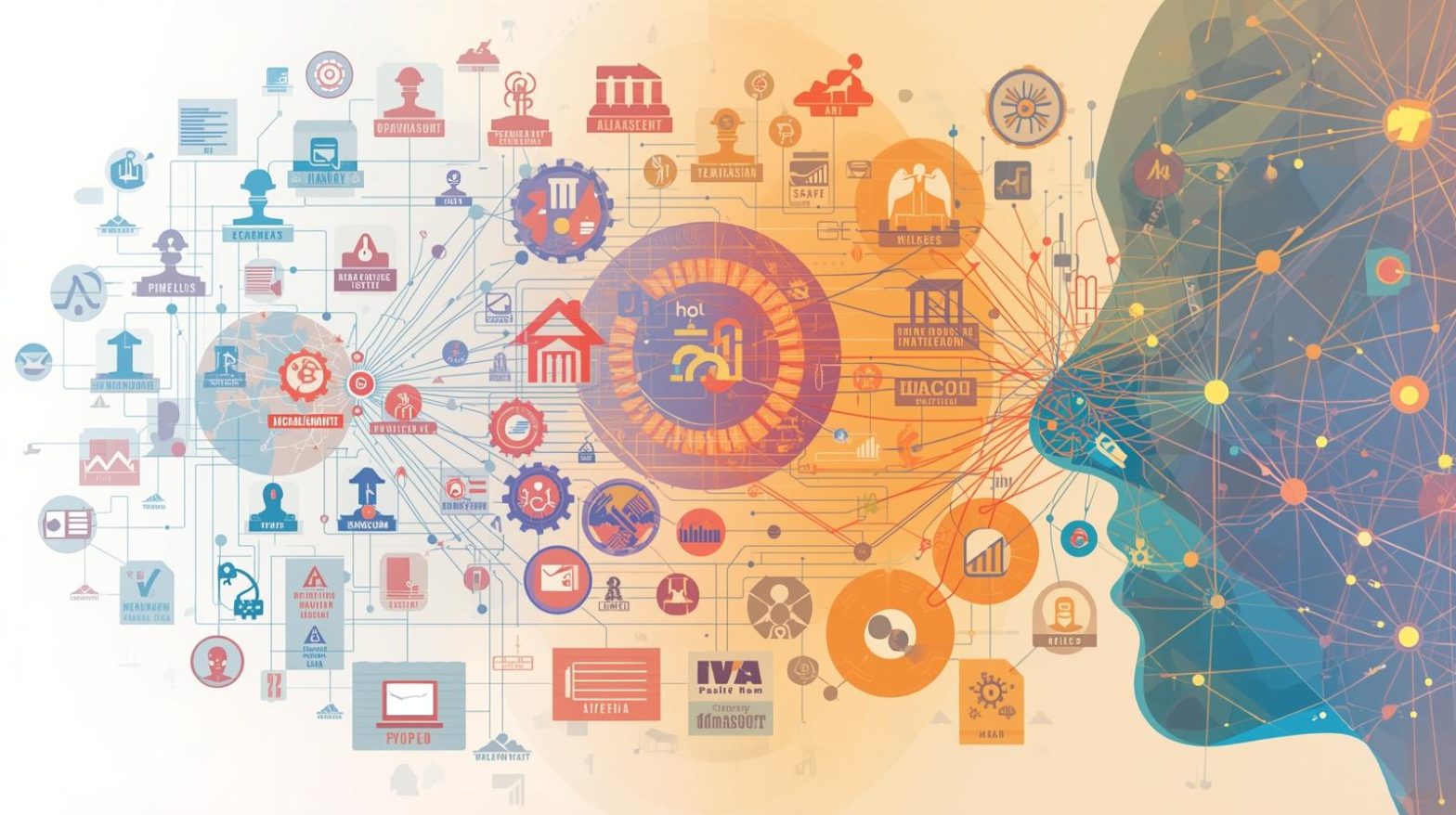
What happens when artificial intelligence is introduced into an organization without a clear plan for people, processes, and security? In many cases, the result is resistance, operational confusion, and increased risk. AI change management has emerged as a critical discipline for organizations that want to adopt AI technologies successfully while maintaining control, trust, and alignment across teams.
AI change management focuses on preparing organizations for AI-driven transformation by aligning leadership, employees, governance, and technology. For cybersecurity leaders, IT managers, and executives, AI change management is not just about innovation—it is about ensuring AI adoption strengthens operations rather than disrupting them.
What Is AI Change Management and Why It Matters
AI change management is the structured approach to guiding organizations through the adoption and integration of artificial intelligence. It combines traditional change management principles with AI-specific considerations such as data governance, ethical use, automation impact, and security risks.
Unlike conventional IT changes, AI systems continuously learn and evolve. AI change management ensures organizations remain adaptable while maintaining oversight, accountability, and compliance.
The Growing Need for AI Change Management
AI adoption is accelerating across industries, from cybersecurity and IT operations to finance and healthcare. However, many organizations underestimate the human and operational impact of AI.
AI change management helps address workforce concerns, ensures proper training, and builds confidence in AI-driven decisions. Without it, even the most advanced AI initiatives can fail due to lack of trust or alignment.
Key Drivers Behind AI Change Management Adoption
Several forces are pushing organizations to prioritize AI change management as a strategic initiative.
First, regulatory scrutiny around AI use is increasing, especially where data privacy and automated decision-making are involved. Second, cyber threats are evolving, requiring AI-driven defenses that must be managed carefully. Third, organizations are under pressure to deliver results faster without compromising security or ethics.
Core Pillars of AI Change Management
Successful AI change management is built on a foundation of clearly defined pillars that support sustainable transformation. Each pillar addresses a specific risk or challenge associated with AI adoption.
When these pillars work together, organizations can scale AI initiatives with confidence.
Leadership Alignment and Vision
Leadership plays a central role in AI change management. Executives must clearly articulate why AI is being adopted and how it supports business objectives.
A shared vision reduces uncertainty and ensures AI initiatives are aligned with organizational goals rather than isolated experiments.
Workforce Enablement and Skills Development
AI often changes job roles rather than eliminating them. AI change management emphasizes reskilling and upskilling employees so they can work effectively alongside AI systems.
Training programs, open communication, and clear expectations help reduce resistance and increase adoption.
Governance and Ethical Oversight
AI introduces new ethical and compliance challenges. AI change management frameworks establish governance structures that define accountability, transparency, and acceptable use.
This oversight is especially critical in cybersecurity and IT environments where AI-driven decisions can impact access control, threat response, and data handling.
Technology Integration and Security
AI systems must integrate seamlessly with existing IT infrastructure. AI change management ensures technical changes are implemented securely and do not introduce new vulnerabilities.
Security assessments, controlled rollouts, and continuous monitoring are essential components of this pillar.
AI Change Management in Cybersecurity and IT Operations
Cybersecurity teams increasingly rely on AI for threat detection, incident response, and automation. AI change management ensures these tools are deployed responsibly and effectively.
Without proper change management, AI-driven security tools can generate false positives, overwhelm teams, or create blind spots attackers can exploit.
Managing Risk Through AI Change Management
Risk management is at the heart of AI change management. AI systems rely on data, and poor data quality can lead to flawed outcomes.
AI change management practices include data validation, bias assessment, and ongoing performance reviews to ensure AI outputs remain accurate and trustworthy.
Organizational Culture and AI Change Management
Culture often determines whether AI initiatives succeed or fail. AI change management addresses cultural readiness by promoting transparency and collaboration.
When employees understand how AI supports their work rather than replaces it, adoption becomes smoother and more sustainable.
The Role of Communication in AI Change Management
Clear communication is a cornerstone of AI change management. Stakeholders need to understand how AI will affect workflows, decision-making, and accountability.
Regular updates, feedback channels, and measurable milestones help maintain momentum and trust throughout the transformation process.
Measuring Success in AI Change Management
AI change management success is not measured solely by technical performance. It also includes user adoption, operational efficiency, and risk reduction.
Metrics such as reduced incident response times, improved decision accuracy, and higher employee engagement provide insight into the effectiveness of AI change management efforts.
AI Change Management and Compliance Requirements
As governments introduce AI-related regulations, compliance becomes a major concern. AI change management helps organizations stay ahead of regulatory expectations by embedding compliance into AI workflows.
This proactive approach reduces the risk of penalties and reputational damage.
Common Challenges in AI Change Management
Despite its benefits, AI change management presents several challenges that organizations must address proactively.
One common issue is resistance from employees who fear job displacement. Another is the lack of clear ownership over AI systems. AI change management frameworks help resolve these challenges by defining roles, responsibilities, and communication strategies.
Best Practices for Effective AI Change Management
Organizations that excel at AI change management follow a set of proven best practices that support long-term success.
They start with small, high-impact use cases before scaling AI initiatives.
They involve cross-functional teams from IT, security, HR, and legal early in the process.
They continuously evaluate AI performance and adjust strategies based on real-world outcomes.
They prioritize transparency to build trust across the organization.
AI Change Management for IT Managers and Executives
For IT managers, AI change management provides structure and clarity in complex environments. It helps balance innovation with operational stability.
For CEOs and founders, AI change management ensures AI investments deliver measurable value while aligning with business strategy and risk tolerance.
The Long-Term Impact of AI Change Management
Organizations that invest in AI change management are better positioned for long-term success. They adapt more quickly to technological shifts and maintain stronger security postures.
AI change management transforms AI from a disruptive force into a strategic asset that supports growth and resilience.
The Future of AI Change Management
As AI technologies mature, AI change management will become even more critical. Continuous learning systems require ongoing oversight rather than one-time implementation.
Future AI change management models will likely incorporate predictive analytics and automated governance to further reduce risk and improve scalability.
FAQs
-
What is AI change management
AI change management is the structured approach to managing organizational, technical, and cultural changes associated with adopting artificial intelligence. -
Why is AI change management important for cybersecurity
It ensures AI-driven security tools are deployed safely, reducing false positives, bias, and new attack surfaces. -
How does AI change management affect employees
It focuses on reskilling, transparency, and communication to help employees work effectively with AI systems. -
Can AI change management support compliance efforts
Yes, it embeds governance and accountability into AI workflows, helping organizations meet regulatory requirements. -
Is AI change management a one-time process
No, it is an ongoing effort that evolves as AI systems learn, adapt, and expand across the organization.
Final Thoughts
AI change management is essential for organizations seeking to harness AI without sacrificing security, trust, or operational stability. By aligning leadership, empowering employees, and embedding governance into AI initiatives, organizations can unlock the full potential of artificial intelligence. AI change management ensures that innovation is not only fast, but also responsible, secure, and sustainable.


 Loading...