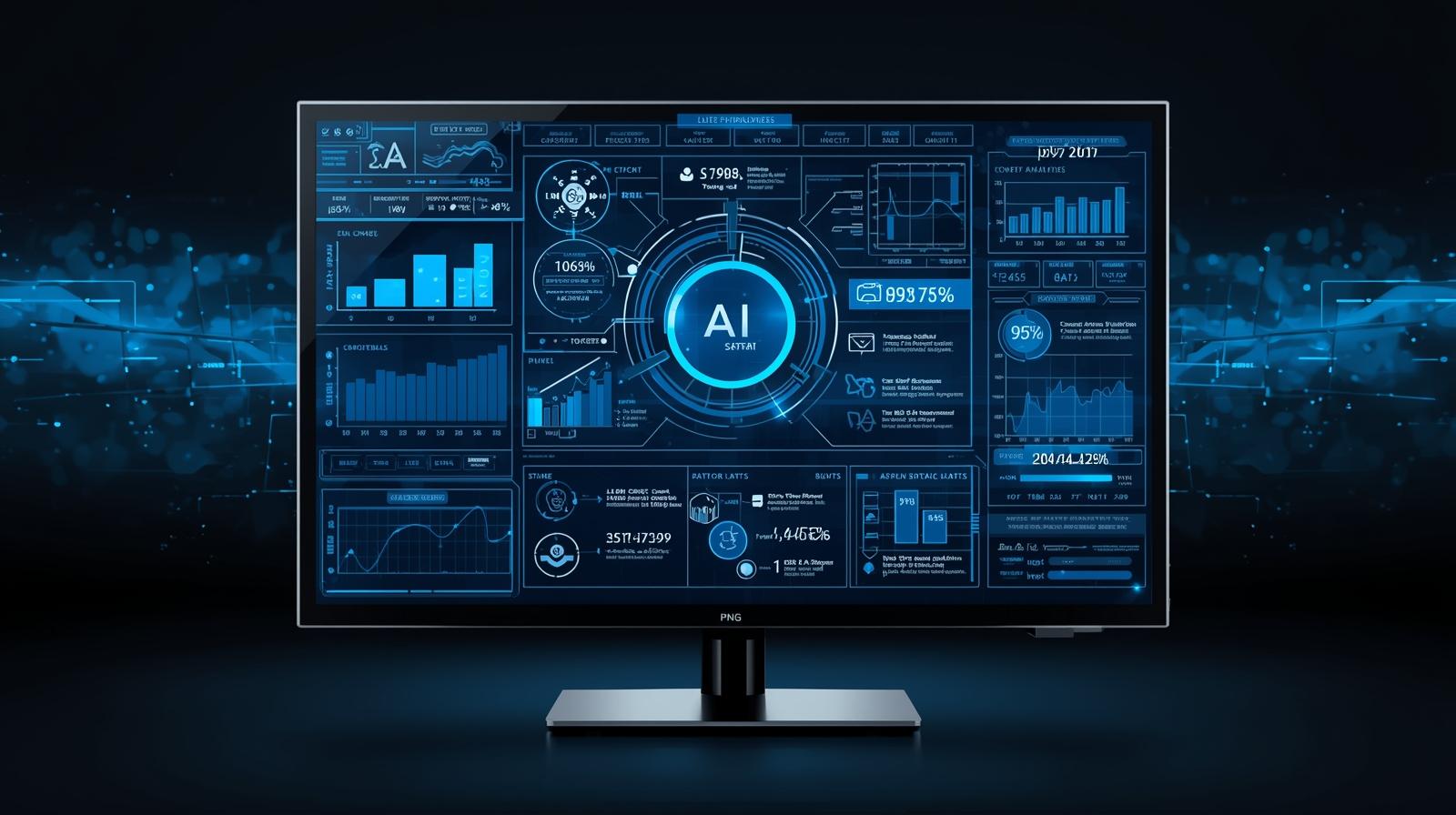
Managing inventory has become far more complex than counting stock or tracking assets in spreadsheets. From IT hardware and software licenses to cloud resources and endpoint devices, organizations face constant change and growing risk. AI inventory management software addresses these challenges by combining automation, analytics, and predictive intelligence to deliver real-time visibility and control. For IT managers, cybersecurity leaders, and executives, adopting AI inventory management software is a strategic step toward operational resilience and smarter decision-making.
AI inventory management software is no longer limited to large enterprises. Today, organizations of all sizes rely on it to reduce waste, prevent outages, and improve security posture. By replacing manual processes with intelligent automation, teams can focus on strategy instead of reactive fixes.
What Is AI Inventory Management Software
AI inventory management software uses artificial intelligence and machine learning to track, analyze, and optimize inventory across physical, digital, and IT environments. Unlike traditional tools, it does more than record data. It learns from usage patterns, predicts demand, and flags anomalies before they become problems. This capability makes AI inventory management software especially valuable in dynamic IT and cybersecurity environments.
At its core, AI inventory management software continuously collects data from endpoints, servers, networks, and applications. It then applies algorithms to identify trends, inefficiencies, and risks. The result is accurate, up-to-date inventory intelligence that supports faster and more informed decisions.
Why Traditional Inventory Management Falls Short
Manual or rule-based inventory systems struggle to keep pace with modern IT ecosystems. Devices are added, removed, or repurposed daily. Software licenses change, and cloud resources scale automatically. Traditional tools cannot adapt quickly enough, leading to blind spots and inaccuracies.
These gaps create operational and security risks. Untracked assets may miss patches, expired licenses can cause compliance issues, and excess inventory increases costs. AI inventory management software overcomes these limitations by adapting in real time and providing predictive insights instead of static reports.
How AI Inventory Management Software Works
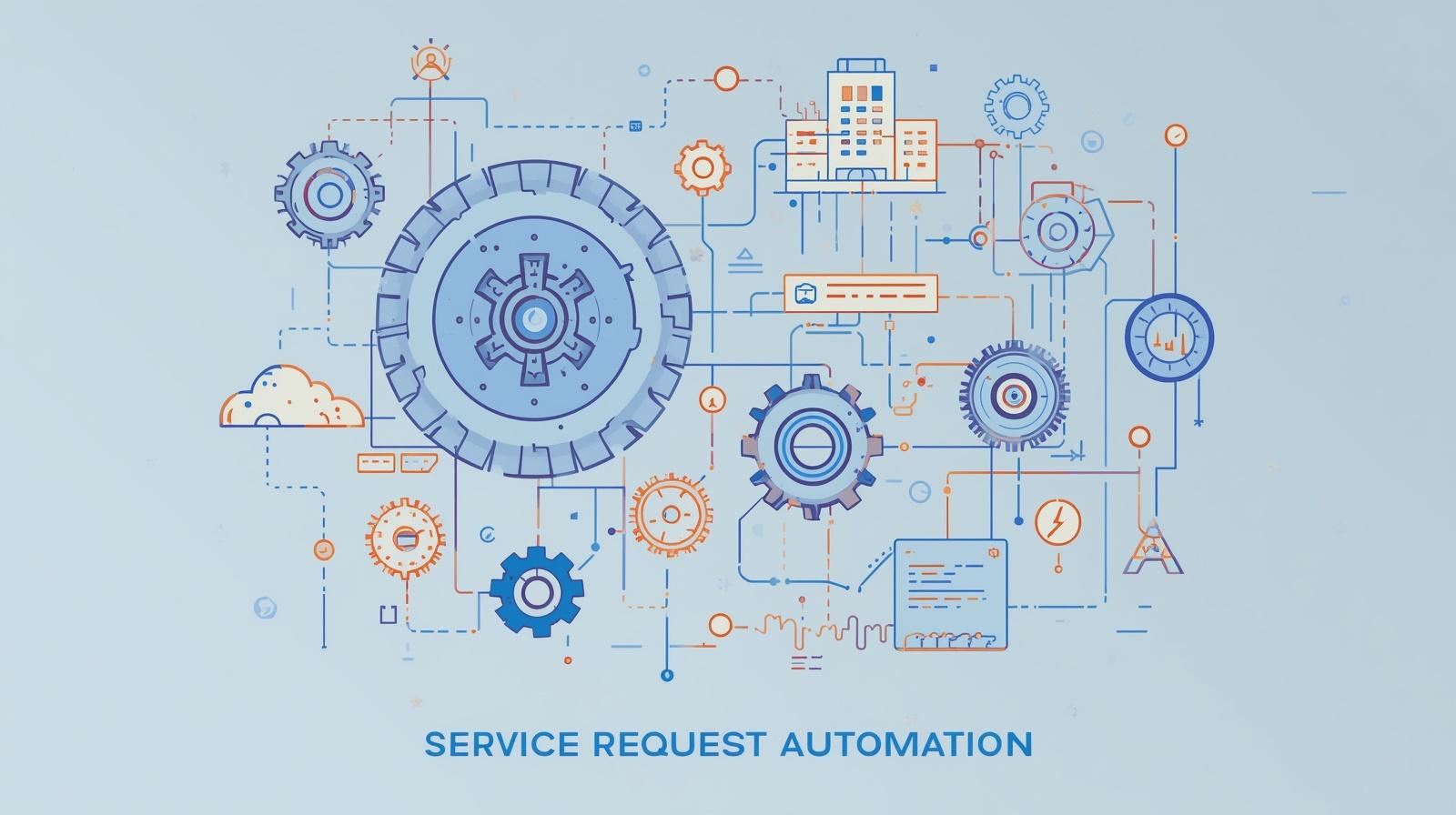
AI inventory management software relies on several interconnected technologies. Data ingestion tools collect information from multiple sources, including endpoints, asset databases, and cloud platforms. Machine learning models analyze this data to detect patterns and forecast future needs. Automation engines trigger actions such as alerts, reorders, or remediation workflows.
This intelligent loop allows AI inventory management software to improve continuously. As more data is processed, predictions become more accurate, and recommendations more relevant. Over time, organizations gain a clearer picture of their inventory lifecycle and associated risks.
Benefits for IT and Cybersecurity Teams
For IT and cybersecurity professionals, AI inventory management software provides immediate and long-term benefits. Accurate asset visibility ensures that all devices and applications are accounted for and properly secured. Predictive insights help teams anticipate hardware failures or license shortages before they disrupt operations.
Security teams benefit from anomaly detection features that flag unusual inventory changes. Unauthorized devices or unexpected software installations can be identified quickly, reducing exposure to threats. By integrating inventory intelligence with security workflows, organizations strengthen their overall defense posture.
Improving Decision-Making With Predictive Insights
One of the most powerful advantages of AI inventory management software is its ability to support strategic decisions. Instead of reacting to shortages or excess, leaders can plan proactively. Forecasting models estimate future inventory needs based on historical usage, seasonality, and growth trends.
This data-driven approach improves budgeting and resource allocation. Executives gain confidence that investments are aligned with actual demand. IT managers can justify procurement decisions with clear evidence, reducing friction between technical and financial teams.
Key Features to Look for in AI Inventory Management Software
Not all solutions offer the same level of intelligence. When evaluating AI inventory management software, organizations should prioritize features that align with operational and security goals. Real-time asset discovery ensures visibility across environments. Predictive analytics support planning and optimization. Automation reduces manual effort and error.
Important features to consider include:
-
Real-time inventory tracking across devices and platforms
-
AI-driven demand forecasting and usage analysis
-
Anomaly detection for security and compliance
-
Automated alerts and remediation workflows
-
Integration with IT management and security tools
Supporting Compliance and Governance
Regulatory requirements increasingly demand accurate inventory records and audit trails. AI inventory management software simplifies compliance by maintaining detailed, continuously updated records. Automated reporting reduces preparation time for audits and internal reviews.
Role-based access controls ensure that sensitive inventory data is only accessible to authorized personnel. By enforcing consistent policies and documentation, organizations reduce compliance risk and administrative overhead.
AI Inventory Management Software in Multi-Environment IT
Modern organizations operate across on-premises, cloud, and hybrid environments. Managing inventory across these domains is challenging without intelligent tools. AI inventory management software unifies data from disparate sources into a single view.
This holistic perspective helps IT teams understand dependencies and optimize resource distribution. Cloud resources can be right-sized based on actual usage. Hardware refresh cycles can be planned with minimal disruption. The result is a more efficient and resilient IT environment.
Enhancing Operational Efficiency
Operational efficiency improves when inventory data is accurate and actionable. AI inventory management software eliminates redundant tasks such as manual audits and reconciliations. Automated workflows handle routine actions, freeing staff to focus on higher-value initiatives.
Reduced downtime and fewer emergency purchases translate directly into cost savings. Over time, organizations see measurable improvements in productivity and service quality.
The Role of AI Inventory Management Software in Risk Reduction
Inventory blind spots increase risk. Untracked assets may lack security updates or violate policy. AI inventory management software reduces these risks by maintaining continuous awareness of inventory changes.
Predictive alerts warn teams about potential failures or shortages. Early intervention prevents outages and security incidents. By embedding intelligence into inventory processes, organizations shift from reactive to proactive risk management.
Scalability for Growing Organizations
As organizations grow, inventory complexity increases. AI inventory management software scales seamlessly to accommodate new locations, users, and devices. Machine learning models adapt to expanded data sets without requiring constant reconfiguration.
This scalability ensures consistent inventory control during periods of rapid growth or change. Whether expanding infrastructure or adopting new technologies, organizations maintain visibility and control.
Best Practices for Implementing AI Inventory Management Software
Successful adoption requires more than deploying software. Organizations should start by defining clear objectives and success metrics. Integrating AI inventory management software with existing IT and security tools maximizes value.
Training ensures that teams understand how to interpret insights and act on recommendations. Regular reviews of reports and alerts help refine workflows and improve outcomes over time.
Recommended best practices include:
-
Establishing baseline inventory accuracy goals
-
Integrating with endpoint and security platforms
-
Reviewing predictive insights regularly
-
Continuously refining automation rules
Measuring ROI and Business Impact
Demonstrating return on investment is critical for executive buy-in. AI inventory management software delivers measurable benefits such as reduced downtime, lower procurement costs, and improved compliance. Analytics dashboards translate technical metrics into business outcomes.
By tracking improvements over time, organizations can clearly see the value of intelligent inventory management. This transparency supports continued investment and innovation.
The Future of AI Inventory Management Software
AI inventory management software continues to evolve alongside advances in artificial intelligence. Future solutions will offer deeper predictive capabilities, greater automation, and tighter integration with broader IT ecosystems. As AI models become more sophisticated, inventory management will shift from optimization to autonomous decision-making.
Organizations that adopt AI inventory management software early gain a competitive advantage. They build resilient operations capable of adapting to change and uncertainty.
FAQs
-
What is AI inventory management software
AI inventory management software uses artificial intelligence to track, analyze, and optimize inventory with real-time visibility and predictive insights. -
How does AI inventory management software help cybersecurity
It identifies unauthorized or unmanaged assets, detects anomalies, and ensures all devices and software are properly tracked and secured. -
Is AI inventory management software suitable for small businesses
Yes, many solutions scale to support small and mid-sized organizations with limited resources. -
Can AI inventory management software integrate with IT tools
Most modern platforms integrate with endpoint management, security, and IT operations tools. -
What industries benefit most from AI inventory management software
IT, cybersecurity, manufacturing, retail, and healthcare all benefit from improved inventory visibility and control.
Final Thoughts
AI inventory management software transforms inventory from a static record into a strategic asset. By delivering real-time visibility, predictive intelligence, and automation, it empowers organizations to operate more efficiently and securely. For IT leaders and executives seeking smarter control over complex environments, AI inventory management software is a foundational capability for long-term success.

 Loading...