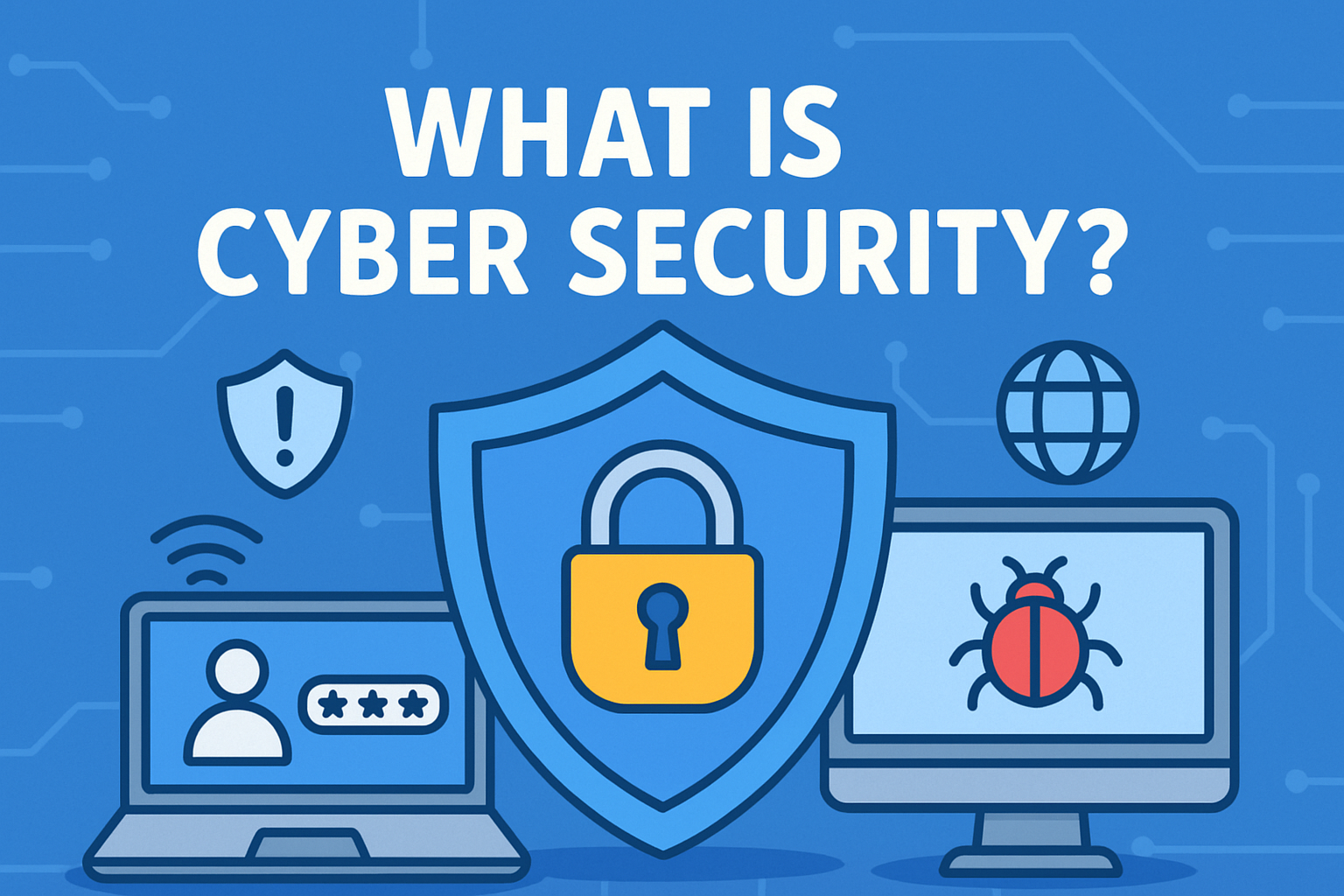

What happens when a single employee laptop becomes the entry point for a cyberattack? In today’s hyperconnected environment, endpoints are everywhere, and attackers know it. Laptops, desktops, mobile devices, and servers are now prime targets because they sit at the intersection of users, data, and networks. This reality has made the endpoint security platform a core pillar of modern cybersecurity strategies. Organizations across industries are adopting endpoint-focused protection to defend against increasingly sophisticated threats while maintaining productivity and control.
What Is an Endpoint Security Platform
An endpoint security platform is a centralized solution designed to protect endpoint devices from cyber threats. It goes beyond basic antivirus software by providing advanced threat detection, prevention, response, and visibility across all endpoints. Each device runs a lightweight agent that monitors activity, while a centralized console allows IT teams to manage policies, analyze threats, and respond quickly. Understanding the role of an endpoint security platform starts with recognizing that endpoints are no longer isolated assets but critical gateways into enterprise systems.
Why Endpoint Security Platforms Are Essential Today
The modern workplace has changed dramatically. Remote work, cloud adoption, and bring-your-own-device policies have expanded the attack surface far beyond traditional office networks. An endpoint security platform helps organizations adapt to this shift by enforcing consistent security controls across all devices, regardless of location. Attackers often exploit unpatched systems or user mistakes, and endpoints are frequently the weakest link. A strong endpoint security platform reduces this risk by continuously monitoring devices and stopping threats before they escalate.
How an Endpoint Security Platform Works
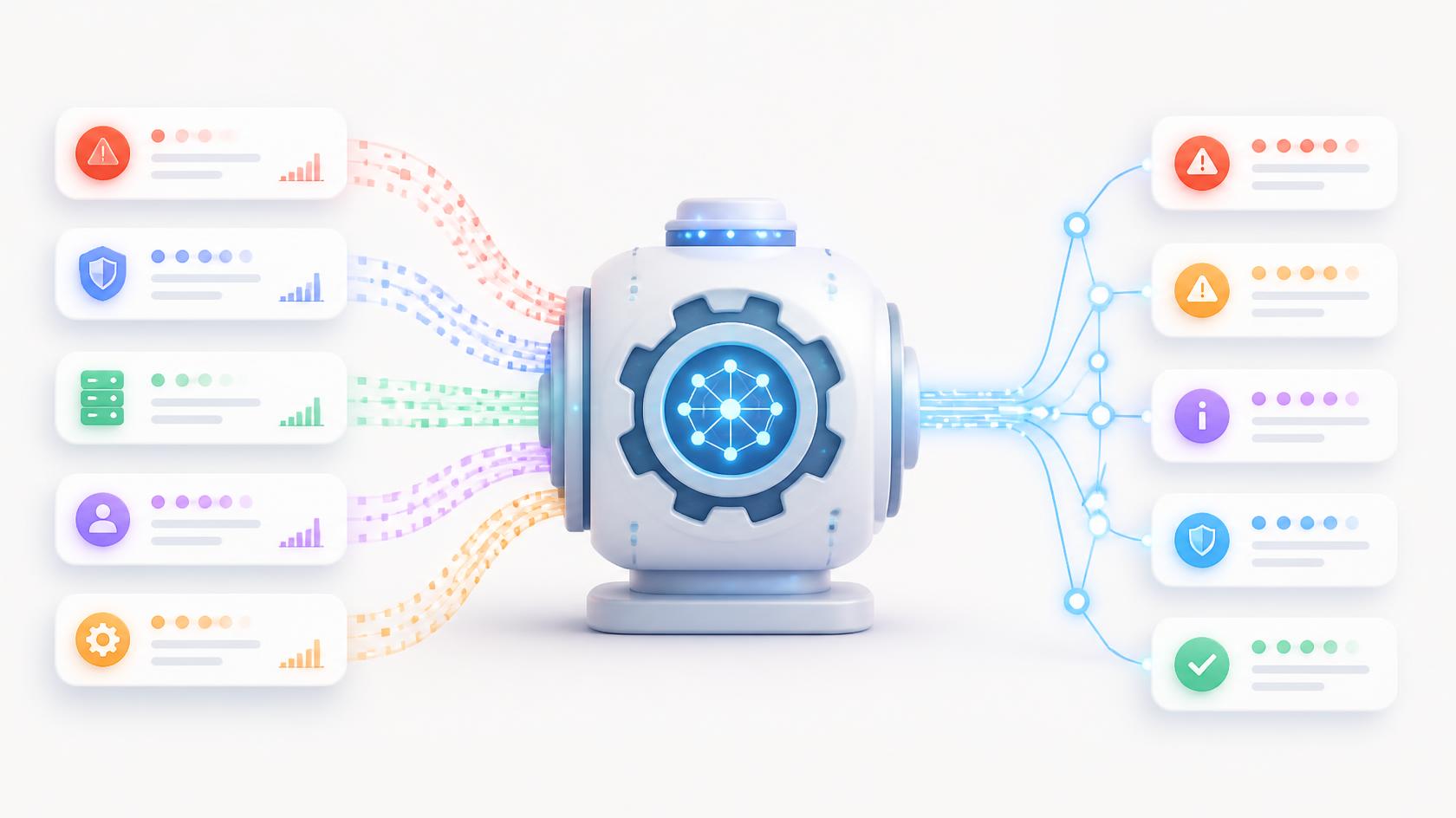
At its core, an endpoint security platform combines endpoint agents with centralized management. The agent inspects files, processes, and user behavior in real time. When suspicious activity is detected, the platform can block the threat, isolate the device, and alert administrators. Advanced platforms use behavioral analysis and machine learning to identify unknown threats. This proactive approach is one of the key reasons organizations rely on an endpoint security platform rather than traditional reactive tools.
Endpoint Security Platform vs Traditional Antivirus
Many organizations still rely on antivirus software, but the threat landscape has outgrown this approach. Antivirus tools primarily depend on known signatures to detect malware. An endpoint security platform uses multiple detection methods, including behavior-based analysis and threat intelligence. This allows it to identify zero-day attacks and fileless malware. The difference is significant: antivirus reacts to known threats, while an endpoint security platform actively hunts and stops emerging risks.
Core Features of an Endpoint Security Platform
A comprehensive endpoint security platform includes several integrated capabilities. These features work together to provide layered protection and visibility.
Key capabilities typically include:
-
Real-time malware detection and prevention
-
Behavioral monitoring and anomaly detection
-
Ransomware protection and rollback
-
Device and application control
-
Centralized policy management and reporting
These features ensure endpoints remain protected while giving IT teams the insights they need to manage security effectively.
Endpoint Security Platform and Ransomware Defense
Ransomware continues to be one of the most damaging cyber threats facing organizations. Attackers often gain access through phishing emails or compromised endpoints. An endpoint security platform detects ransomware by identifying abnormal file activity and unauthorized encryption behavior. Once detected, it can stop the attack and isolate the affected device. This rapid response minimizes downtime and data loss, making endpoint security a critical defense against ransomware incidents.
Supporting Remote and Hybrid Workforces
Remote work has become a permanent fixture for many organizations. Employees now access corporate resources from home networks, cafes, and shared spaces. An endpoint security platform ensures consistent protection across these environments. It enforces security policies even when devices are outside the corporate network. This capability is essential for maintaining visibility and control in distributed work models while allowing employees to work securely from anywhere.
Endpoint Security Platform and Cloud Environments
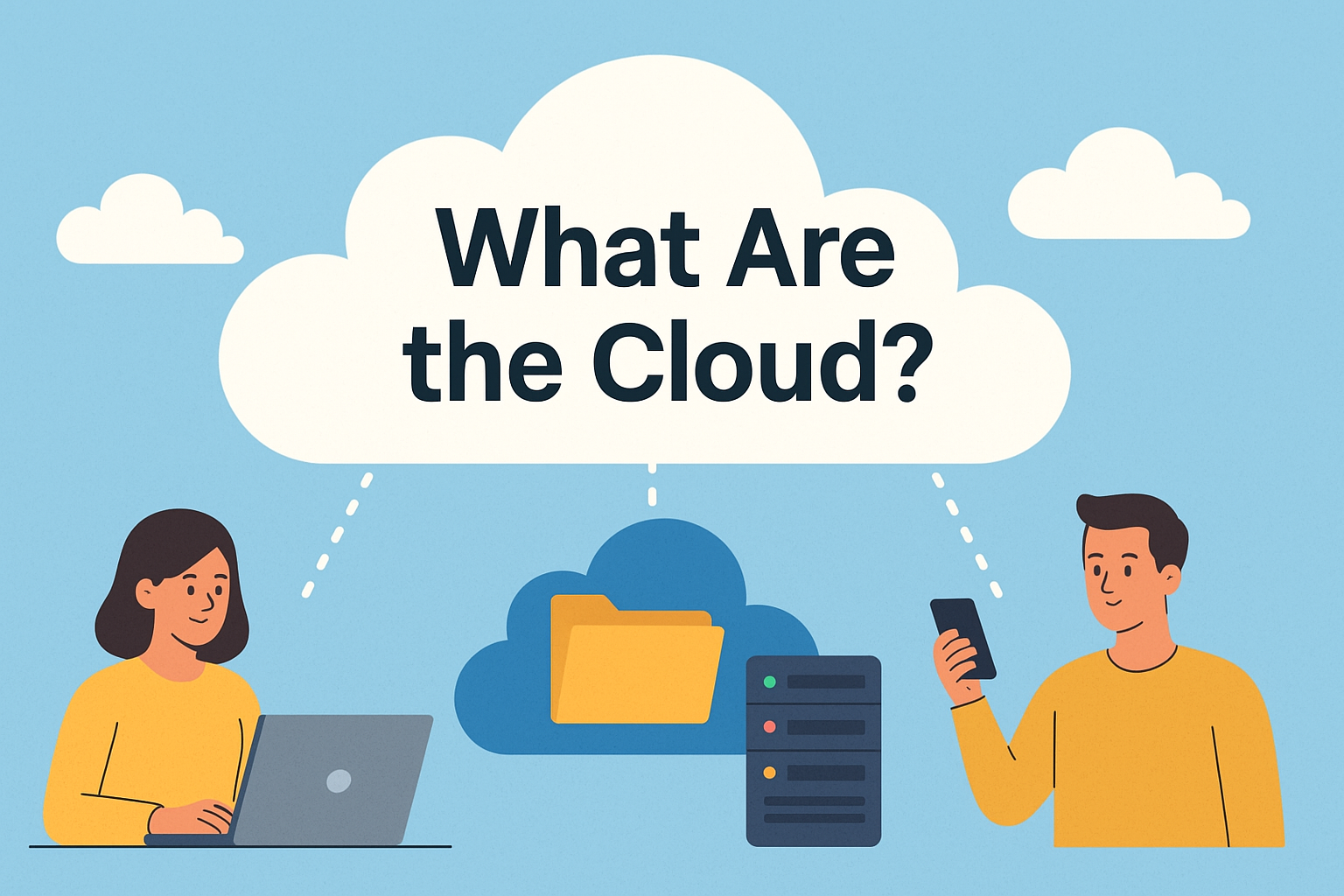
As businesses move applications and data to the cloud, endpoints remain a primary access point. An endpoint security platform integrates with cloud services to ensure secure access and device compliance. It helps verify that only trusted, secure endpoints can connect to cloud resources. This integration strengthens overall security posture and reduces the risk of compromised credentials or unauthorized access.
Role in Zero Trust Security Models
Zero Trust security assumes no device or user should be trusted by default. An endpoint security platform plays a central role in Zero Trust by continuously assessing device health and compliance. Access decisions are based on real-time device status rather than static credentials. This approach limits lateral movement and reduces the impact of compromised endpoints, aligning endpoint security with modern security architectures.
Benefits for IT Managers and Leadership
For IT managers and business leaders, an endpoint security platform offers both operational and strategic benefits. Centralized management reduces complexity and administrative overhead. Automated responses speed up incident handling and reduce manual effort. For executives, endpoint security lowers the risk of costly breaches and supports regulatory compliance. These benefits make endpoint security a smart investment for organizations focused on resilience and growth.
Endpoint Security Platform for Small and Mid-Sized Businesses
Small and mid-sized businesses are increasingly targeted by cybercriminals because they often lack advanced defenses. An endpoint security platform designed for smaller teams provides enterprise-grade protection without requiring extensive expertise. Simplified dashboards, automation, and cloud-based management make it easier to deploy and maintain strong security controls. This allows smaller organizations to protect their endpoints without overwhelming their IT resources.
Common Challenges in Deploying Endpoint Security Platforms
Despite their advantages, deploying an endpoint security platform can present challenges. Organizations may face resistance from users concerned about performance or privacy. Managing diverse operating systems and device types can also be complex. Modern platforms address these issues with lightweight agents, flexible policies, and clear reporting. Proper planning and communication help ensure a smooth rollout and high user adoption.
Best Practices for Endpoint Security Platform Implementation
Successful implementation depends on following proven best practices. Organizations should maintain an accurate inventory of all endpoints and ensure agents are deployed consistently. Regular updates and patching are essential to close vulnerabilities. Clear security policies and user training reduce risky behavior. Continuous monitoring and periodic reviews help keep the endpoint security platform effective as threats evolve.
Measuring Success and Continuous Improvement
Security is not a one-time effort. Organizations should regularly measure the effectiveness of their endpoint security platform using metrics such as detection rates, response times, and endpoint compliance. Reviewing incidents and adjusting policies based on lessons learned improves resilience over time. This continuous improvement approach ensures endpoint security keeps pace with changing threats.
The Future of Endpoint Security Platforms
Endpoint security platforms are evolving rapidly. Artificial intelligence and automation are enabling faster detection and response. Predictive analytics help identify risks before they become incidents. As endpoints continue to multiply, platforms will focus more on scalability and integration with broader security ecosystems. Organizations that invest in modern endpoint security platforms will be better prepared for future challenges.
FAQs
-
What is an endpoint security platform
An endpoint security platform is a centralized solution that protects devices such as laptops, desktops, and mobile devices from cyber threats. -
How does an endpoint security platform differ from antivirus software
It provides advanced threat detection, behavioral analysis, and automated response, going beyond basic malware scanning. -
Is an endpoint security platform necessary for remote work
Yes, it ensures devices remain protected and compliant even when used outside the corporate network. -
Can endpoint security platforms prevent ransomware
They can detect ransomware behavior early and stop attacks before significant damage occurs. -
Are endpoint security platforms suitable for small businesses
Yes, many platforms are designed to be easy to manage while offering strong protection for smaller teams.
Final Thoughts
An endpoint security platform is no longer optional in today’s threat-driven digital environment. With endpoints acting as gateways to critical systems and data, protecting them is essential for business continuity and trust. By adopting a robust endpoint security platform, organizations can reduce risk, improve visibility, and confidently support modern work models.
Take control of your IT environment — begin your ITarian free trial

 Loading...