Managing IT environments today is more complex than ever. With remote work, cloud infrastructure, and growing cybersecurity threats, organizations need smarter ways to monitor and manage their systems. This is where understanding the rmm tools meaning becomes essential. RMM tools are no longer just optional utilities for IT teams; they are foundational platforms that help businesses maintain uptime, security, and operational efficiency at scale.
The rmm tools meaning goes beyond simple monitoring. These tools provide real-time visibility, automation, and control across endpoints, servers, and networks. For IT managers, cybersecurity leaders, and executives, RMM solutions offer a centralized way to manage distributed environments without increasing overhead or risk.
What Does RMM Tools Meaning Actually Refer To
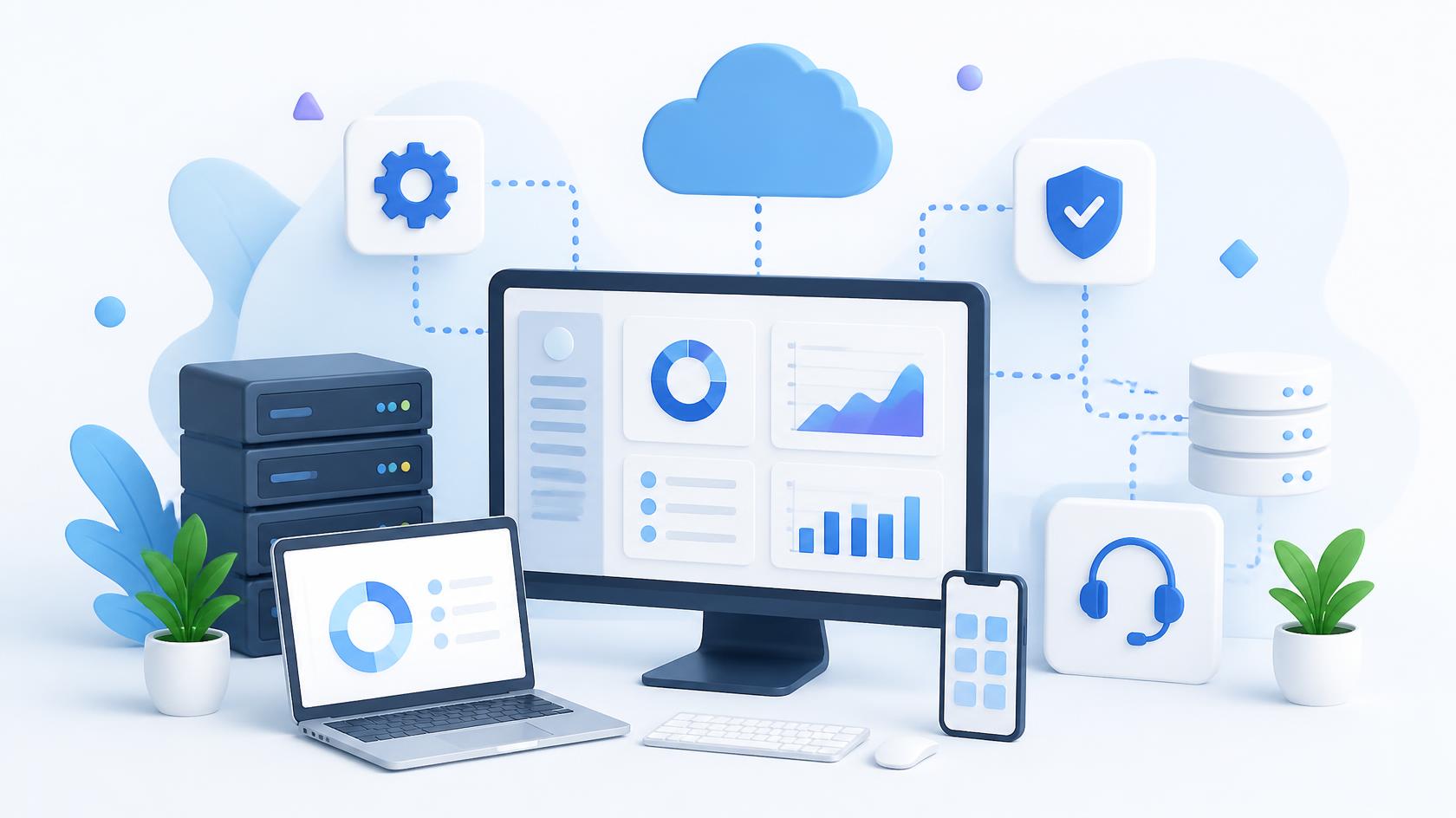
The rmm tools meaning stands for Remote Monitoring and Management tools. These are software platforms designed to allow IT teams and managed service providers to monitor, manage, and maintain IT systems remotely from a single dashboard.
RMM tools continuously collect data from endpoints such as desktops, laptops, servers, and network devices. They alert IT teams to performance issues, security risks, and failures before they escalate into costly outages. This proactive approach is what makes RMM tools a critical component of modern IT management.
Why RMM Tools Matter in Today’s IT Landscape
The rise of hybrid and remote work has changed how IT infrastructure is managed. Traditional on-site support models are no longer practical for many organizations. Understanding the rmm tools meaning helps explain why these platforms have become so valuable.
RMM tools allow IT teams to:
-
Monitor systems regardless of location
-
Respond to issues in real time
-
Automate routine maintenance tasks
-
Reduce downtime and manual intervention
-
Improve overall security posture
Without RMM tools, managing a distributed IT environment becomes reactive, inefficient, and risky.
Core Features That Define RMM Tools Meaning
To fully understand the rmm tools meaning, it’s important to look at the features that distinguish RMM platforms from traditional IT utilities.
Key RMM features include:
-
Real-time system monitoring and alerts
-
Remote access and control
-
Patch and update management
-
Asset and inventory tracking
-
Automation and scripting
-
Reporting and compliance monitoring
These capabilities work together to give IT teams complete visibility and control over their environments.
How RMM Tools Support Proactive IT Management
One of the most important aspects of the rmm tools meaning is the shift from reactive to proactive IT management. Instead of waiting for users to report problems, RMM tools detect issues early.
For example, RMM platforms can identify:
-
Disk space running low
-
Unusual CPU or memory usage
-
Failed backups
-
Missing security patches
-
Potential malware activity
By addressing these issues proactively, organizations reduce downtime, improve user satisfaction, and lower support costs.
RMM Tools Meaning in Cybersecurity Context
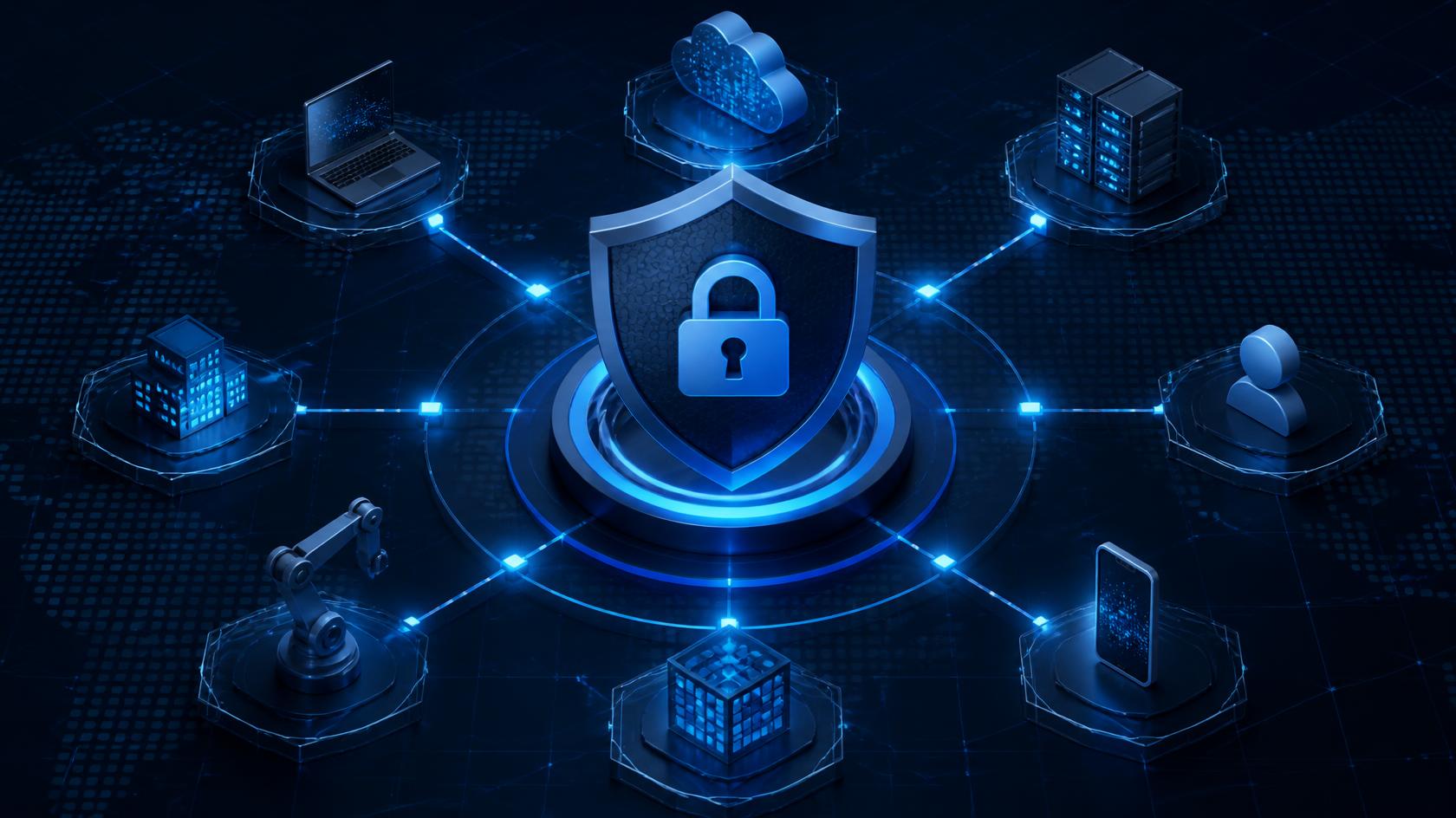
Cybersecurity is a major driver behind the adoption of RMM platforms. Understanding the rmm tools meaning from a security perspective highlights their role in protecting endpoints and data.
RMM tools enhance security by:
-
Ensuring timely patch deployment
-
Monitoring for suspicious activity
-
Enforcing configuration standards
-
Supporting incident response
-
Providing audit logs and reports
When integrated with endpoint security solutions, RMM platforms become powerful tools for reducing attack surfaces and improving threat visibility.
RMM Tools for IT Teams vs Managed Service Providers
While RMM tools are widely used by managed service providers, internal IT teams also benefit significantly from these platforms. The rmm tools meaning applies equally to both use cases, though the scale may differ.
For internal IT teams, RMM tools simplify management across departments and locations. For MSPs, RMM platforms enable centralized control over multiple client environments while maintaining separation and security.
In both cases, RMM tools improve efficiency, consistency, and service quality.
Automation and Efficiency Through RMM Tools
Automation is a defining element of the rmm tools meaning. By automating repetitive tasks, IT teams can focus on strategic initiatives instead of routine maintenance.
Common automation use cases include:
-
Scheduled patch deployment
-
Automated system reboots
-
Scripted fixes for common issues
-
Routine health checks
-
Backup verification
Automation reduces human error and ensures tasks are performed consistently across all systems.
Scalability and Growth with RMM Platforms
As organizations grow, their IT environments become more complex. RMM tools are designed to scale without adding proportional overhead.
Understanding the rmm tools meaning includes recognizing how these platforms support growth by:
-
Centralizing management for new devices
-
Standardizing configurations
-
Simplifying onboarding of systems
-
Maintaining visibility across expanding infrastructures
This scalability makes RMM tools suitable for both small teams and large enterprises.
Compliance and Reporting Benefits
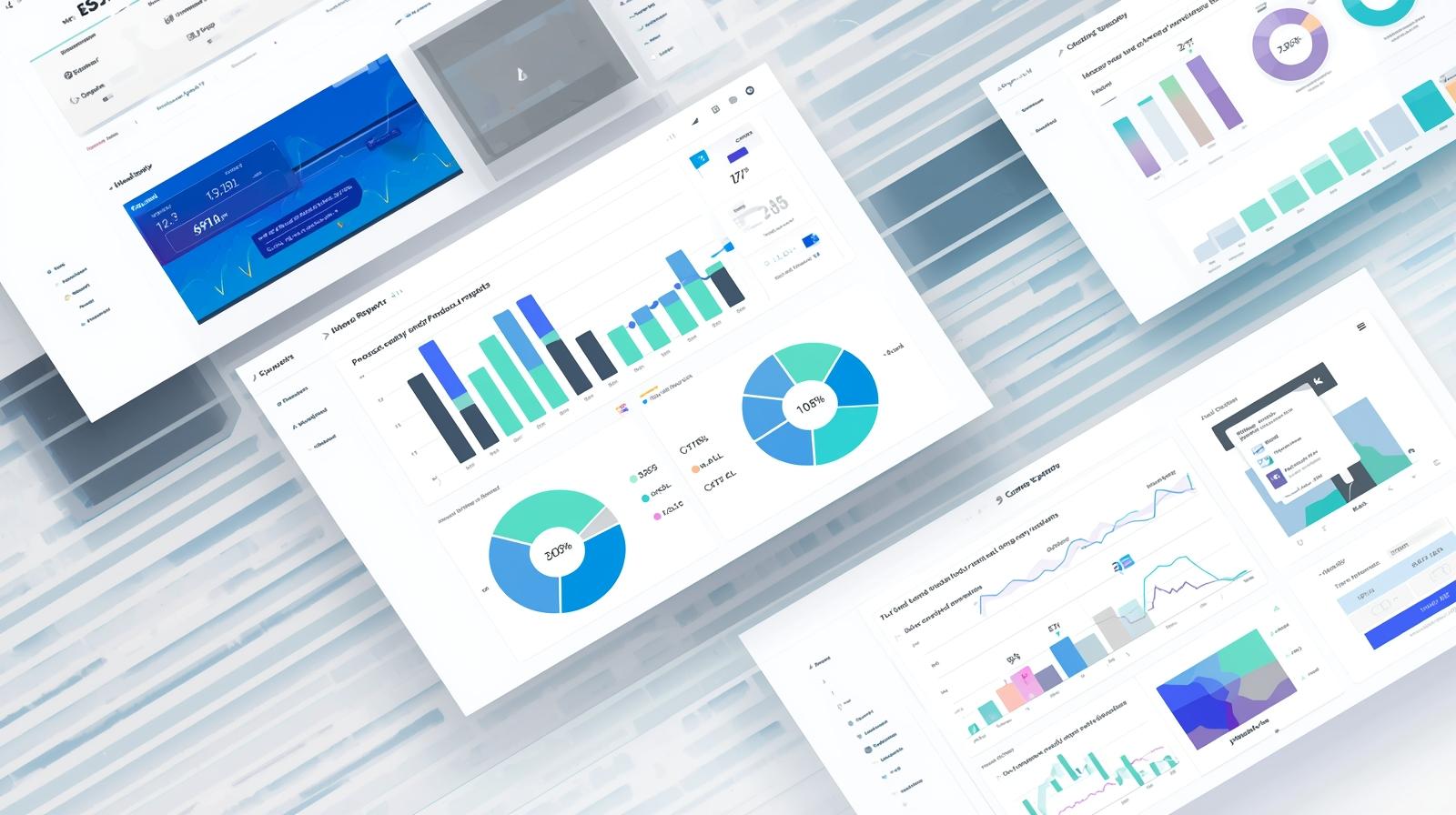
Many industries face strict compliance requirements related to data security and system availability. RMM tools help organizations meet these requirements through detailed reporting and audit capabilities.
Reports generated by RMM platforms can show:
-
Patch compliance status
-
System uptime and performance
-
Security incidents and responses
-
Asset inventory changes
These insights are valuable for audits, risk assessments, and executive reporting.
Choosing the Right RMM Solution
While understanding the rmm tools meaning is important, selecting the right RMM platform is equally critical. Not all tools offer the same features or flexibility.
When evaluating RMM solutions, consider:
-
Ease of deployment and use
-
Integration with existing tools
-
Security and access controls
-
Automation capabilities
-
Reporting and analytics
-
Scalability and pricing
A well-chosen RMM tool becomes a long-term asset rather than a short-term fix.
The Future of RMM Tools
The rmm tools meaning continues to evolve as technology advances. Modern RMM platforms are increasingly incorporating artificial intelligence, machine learning, and predictive analytics.
Future RMM tools will focus more on:
-
Predicting failures before they occur
-
Automating remediation actions
-
Enhancing security through behavior analysis
-
Integrating with broader IT and security ecosystems
Organizations that adopt modern RMM solutions today will be better positioned for future IT challenges.
FAQs
-
What is the rmm tools meaning in simple terms
RMM tools meaning refers to Remote Monitoring and Management software that helps IT teams monitor, manage, and maintain systems remotely. -
Are RMM tools only for managed service providers
No, internal IT teams also use RMM tools to manage devices, automate tasks, and improve security across their organizations. -
How do RMM tools improve cybersecurity
RMM tools improve cybersecurity by automating patching, monitoring system behavior, and enabling faster response to security incidents. -
Can small businesses benefit from RMM tools
Yes, small businesses benefit from RMM tools by reducing downtime, improving visibility, and lowering IT support costs. -
Do RMM tools replace IT staff
No, RMM tools enhance IT teams by automating routine tasks and providing better insights, allowing staff to focus on strategic work.
Final Thoughts
Understanding the rmm tools meaning is essential for any organization managing modern IT environments. These tools provide the visibility, automation, and control needed to support remote work, strengthen security, and scale operations efficiently. By adopting a robust RMM platform, IT leaders can move from reactive problem-solving to proactive, strategic management.
Elevate your IT management — start your complimentary ITarian trial

 (1 votes, average: 4.00 out of 5)
 Loading...