Understanding the Difference Between Patch Management and Vulnerability Management
Updated on December 11, 2025, by ITarian
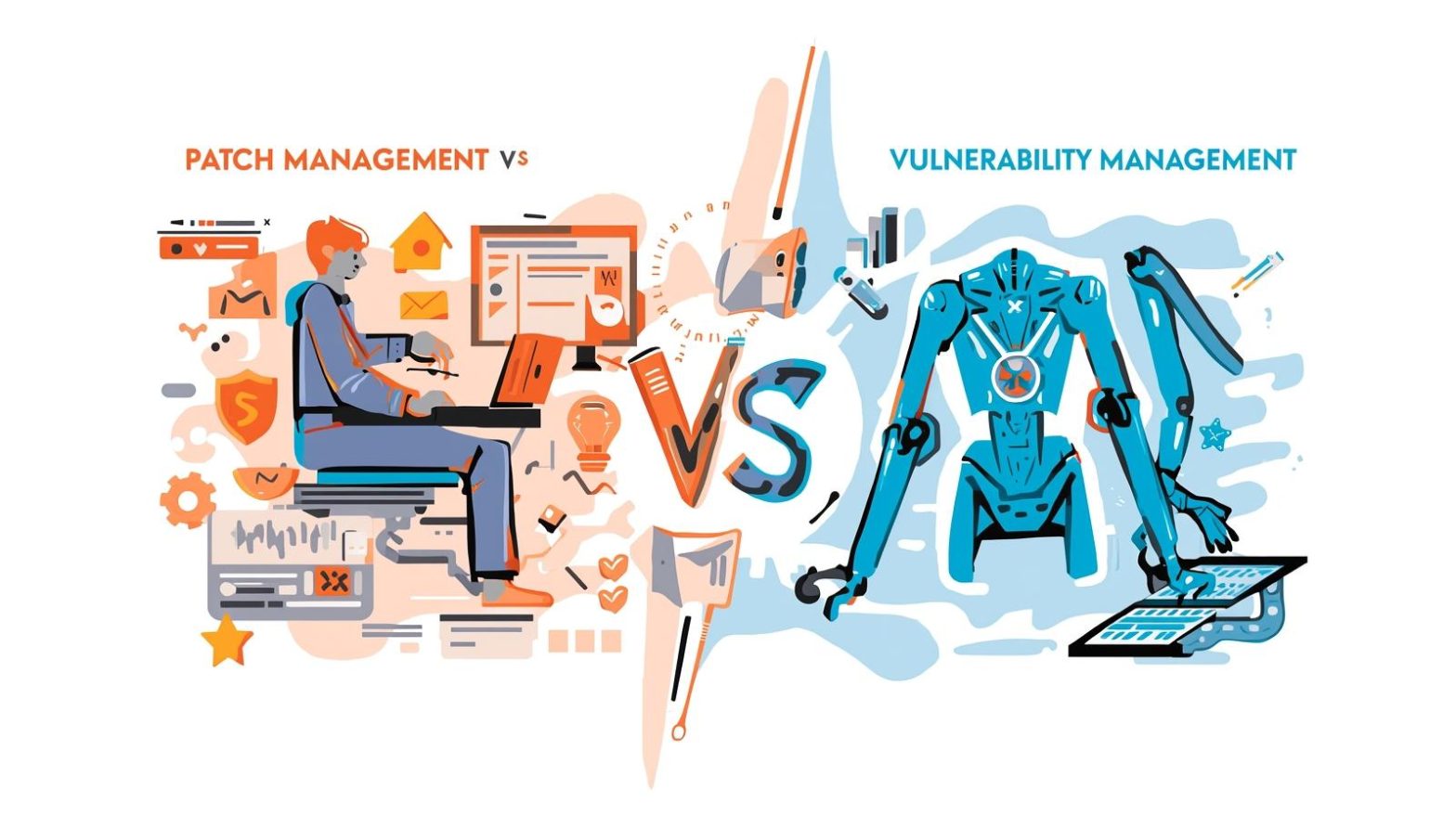
Cybersecurity teams face more threats today than ever before, and the speed of these threats is increasing at a pace that traditional IT processes can’t keep up with. To stay secure, organizations must adopt structured security practices, and two of the most important are patch management vs vulnerability management. Although the terms are often used interchangeably, they are not the same. Each plays a different role in protecting systems, reducing risk, and ensuring business continuity.
In the first few moments an organization connects a device to the internet, vulnerabilities already exist. Cybercriminals look for outdated software, misconfigurations, and unpatched systems as their first point of entry. This makes it critical for IT teams to understand how patch management vs vulnerability management complement each other. Both processes work together to minimize exposure, strengthen defense layers, and create long-term resilience across enterprise environments.
What Patch Management and Vulnerability Management Aim to Solve
To understand the difference between patch management vs vulnerability management, it helps to look at the business challenges they are designed to address. Every organization deals with risks created by software defects, outdated applications, weak configurations, and emerging threats. Left unresolved, these issues lead to data breaches, service outages, and loss of compliance.
Patch management focuses on keeping software updated to fix known vulnerabilities. Vulnerability management takes a broader approach by identifying, analyzing, prioritizing, and reducing all forms of security weaknesses — whether they require patches or other remediation methods.
Both processes help organizations stay ahead of cyber threats, deliver consistent system performance, and avoid operational disruptions.
Defining Patch Management
Patch management is the process of identifying, deploying, and verifying patches released by software vendors. These updates correct security issues, improve functionality, and prevent attackers from exploiting weaknesses.
Patch management typically includes scanning systems for missing updates, evaluating the risk of not applying them, and deploying patches across all affected devices. IT teams rely on automated tools because manual patching, especially in large networks, is slow and error-prone.
Key objectives of patch management include reducing exposure to known vulnerabilities, improving system stability, maintaining software compliance, and ensuring devices function at peak performance. Without patch management in place, even the strongest security framework can fail because outdated systems are often the easiest point of attack for cybercriminals.
Defining Vulnerability Management
Vulnerability management is a continuous process that identifies weaknesses in systems, networks, applications, and configurations. It goes beyond applying patches by analyzing all forms of risk, including those that cannot be solved with a simple update.
This process evaluates severity, potential impact, exploitability, and the urgency of remediation. It also involves prioritizing vulnerabilities based on risk levels, threat intelligence, and business needs. Vulnerability management provides a complete view of an organization’s attack surface, helping IT teams understand which weaknesses pose the highest danger.
While patch management fixes known flaws, vulnerability management ensures no risk goes unnoticed — even if remediation requires configuration changes, access policy adjustments, or compensating controls.
Patch Management vs Vulnerability Management: Core Differences
Although both are essential security practices, patch management vs vulnerability management differ in their purpose, scope, and execution. Understanding these distinctions helps IT teams design a more effective security strategy.
Focus
Patch management targets software updates and security fixes. Vulnerability management targets the entire ecosystem of weaknesses — including those unrelated to software patches.
Scope
Patch management is narrower and focuses on the remediation step. Vulnerability management covers detection, assessment, prioritization, remediation, and reporting.
Tools and Processes
Patch management tools deploy updates. Vulnerability management tools scan environments and classify risks.
Frequency
Patch management is usually performed on schedules aligned with vendor release cycles. Vulnerability management is ongoing and continuous.
Outcomes
Patch management improves software security and stability. Vulnerability management strengthens overall risk posture and proactively reduces exposure.
Both processes are required for a complete defense strategy.
How Patch Management Supports Cybersecurity
Patch management plays a critical role in preventing ransomware, malware, and exploitation attempts. Attackers often rely on outdated software because it requires minimal effort to compromise.
Effective patch management protects organizations by ensuring known vulnerabilities cannot be exploited. It enhances operational performance, reduces security incidents, and helps organizations maintain industry compliance requirements. Automated patch management also reduces human error and speeds up the remediation process.
When combined with endpoint visibility and strong monitoring practices, patch management becomes one of the fastest and most efficient ways to reduce cyber risk.
How Vulnerability Management Strengthens IT Security
Vulnerability management looks deeper into the security landscape by identifying not only unpatched software but also misconfigurations, insecure ports, weak authentication, and missing controls.
By ranking each vulnerability based on severity and exploitability, IT teams can focus on the most critical problems first. This ensures resources are used efficiently and high-risk threats are addressed without delay.
Vulnerability management also provides ongoing insights, enabling cybersecurity teams to continuously refine their defenses and adapt to evolving threats. Security frameworks such as zero trust, least privilege, and continuous monitoring all rely on strong vulnerability management practices.
Why Both Processes Are Necessary for Security Maturity
Organizations that rely only on patching miss significant security threats. Conversely, those who only scan for vulnerabilities without applying patches remain exposed to known risks. This is why patch management vs vulnerability management should not be seen as competing processes but rather as complementary components of a unified strategy.
Patch management provides quick remediation for known issues. Vulnerability management offers broad visibility and prioritization. Combined, they create a security posture that is both proactive and resilient.
In industries such as healthcare, finance, education, and government, these practices are essential for meeting compliance standards and reducing liability exposure.
Best Practices for Patch Management
Effective patch management requires strong planning and disciplined execution. Successful organizations follow several best practices:
Maintain an Accurate Inventory
Knowing which systems, applications, and endpoints exist is crucial for applying the right patches.
Automate Patch Deployment
Automation speeds remediation and reduces the chance of missing critical updates.
Test Before Deployment
Testing prevents unexpected compatibility issues and reduces system downtime.
Prioritize Security Patches
High-risk vulnerabilities should be patched before performance updates.
Verify Patch Installation
Validation confirms the success of the deployment and ensures no gaps remain.
Best Practices for Vulnerability Management
A successful vulnerability management program includes continuous monitoring and intelligent decision-making. Effective organizations use strong frameworks, structured workflows, and risk-based prioritization.
Conduct Continuous Scanning
Frequent assessments reveal new vulnerabilities as they emerge.
Use a Risk-Based Prioritization Approach
Focus first on vulnerabilities that have known exploits or impact critical systems.
Integrate Threat Intelligence
Real-time intelligence improves prioritization accuracy.
Document and Track Remediation
Systematic tracking ensures consistent improvement over time.
Align with Compliance Requirements
Regulations such as PCI DSS, HIPAA, and ISO standards require structured vulnerability processes.
How Patch Management vs Vulnerability Management Work Together
Security teams achieve the greatest results when patch management and vulnerability management operate as a unified workflow. Vulnerability scanning identifies issues across the environment; patch management provides one of the key methods for resolving them.
A strong integration between these processes allows organizations to detect and fix vulnerabilities faster, minimize threat exposure, and improve long-term resilience. This alignment also helps automate responses, reduce operational overhead, and elevate the maturity of the entire security program.
When combined with endpoint security, SIEM tools, and cloud management systems, both practices act as fundamental building blocks of a modern cybersecurity defense.
Frequently Asked Questions
1. Why is it important to understand patch management vs vulnerability management?
Because each process addresses different aspects of security, and combining them ensures complete protection against both known and unknown risks.
2. Is patch management part of vulnerability management?
Yes. Patch deployment is one method used to remediate vulnerabilities found during assessments.
3. Can vulnerability management replace patch management?
No. Vulnerability scanning identifies risk, but patches must still be applied to eliminate software flaws.
4. How often should vulnerability scanning be performed?
Organizations should perform ongoing scans, with additional scans after major updates or infrastructure changes.
5. Do both processes help prevent cyberattacks?
Yes. Patch management prevents exploitation of known issues, while vulnerability management detects broader weaknesses before attackers can use them.
Final Thoughts
Understanding patch management vs vulnerability management is essential for building a strong cybersecurity foundation. Patch management ensures that known weaknesses are quickly resolved, while vulnerability management provides a deeper, continuous view of emerging risks. Together, they give IT teams the visibility, control, and automation needed to protect systems in an increasingly complex digital landscape.
Take the next step toward smarter project execution —
Start your free trial with ITarian to streamline workflows, automate repetitive tasks, and elevate your project delivery across every team.

 Loading...